
FHA Loan Requirements in Louisiana: What Buyers Need to Know in 2026
Key Takeaways
- FHA requires a minimum 580 credit score for 3.5% down, scores between 500 and 579 need 10% down
- The 2026 FHA loan limit for most Louisiana parishes is $524,225 for a single-family home
- Flood insurance is mandatory in FEMA-designated zones and directly reduces your purchasing power
- FHA appraisals flag health and safety issues that conventional appraisals may overlook, common with older Louisiana homes
- Monthly MIP stays for the life of the loan if you put less than 10% down
- Louisiana homeowners insurance, among the highest in the country, factors into your debt-to-income ratio
- Most FHA closings in Louisiana happen within 30 to 45 days from contract
FHA loans are the single most popular purchase loan type in Louisiana, and that is not an accident. They let buyers get into a home with as little as 3.5% down, accept credit scores that conventional loans would reject, and offer more flexibility on debt ratios than almost any other program. But FHA comes with its own set of rules, and in Louisiana specifically, factors like flood zone requirements, expensive homeowners insurance, and older housing stock create wrinkles that buyers in other states never deal with.
This guide breaks down every FHA requirement that matters for Louisiana buyers in 2026, from credit score thresholds and down payment math to the local appraisal issues and insurance costs that can quietly derail a deal if you are not prepared. Whether you are buying your first home in Lafayette, upgrading in Baton Rouge, or relocating to the Northshore, this is the playbook.
What Credit Score Do You Need for an FHA Loan in Louisiana?
You need a minimum credit score of 580 to qualify for the standard 3.5% down payment on an FHA loan. If your score falls between 500 and 579, you are still eligible, but you will need to bring 10% down instead. Below 500, FHA financing is not available.
These thresholds come directly from FHA guidelines, but in practice, your credit score affects more than just your down payment requirement. A borrower with a 620 and a borrower with a 740 will both get approved, but the 740 borrower will receive a meaningfully better interest rate. According to the Urban Institute, borrowers with credit scores above 720 save an average of 0.5% to 0.75% on their rate compared to those in the 620 range, on a $200,000 loan, that difference amounts to roughly $85 to $100 per month.
At Mortgages by Channing, we pull a tri-merge credit report and review your full profile, not just the middle score. If you have had past credit events like a bankruptcy, foreclosure, or short sale, there are specific waiting periods before FHA eligibility is restored: two years after a Chapter 7 bankruptcy, three years after a foreclosure, and one year after a Chapter 13 filing (with court approval). We see these situations regularly with Louisiana buyers and can tell you exactly where you stand before you start shopping.
Your credit score also determines lender overlays. While FHA sets the floor, individual lenders sometimes add their own requirements on top. Some large banks require a 620 minimum even though FHA allows 580. We do not add overlays at that level, if FHA says you qualify, we will work with you.
How Much Down Payment Does an FHA Loan Require?
FHA loans require a minimum 3.5% down payment if your credit score is 580 or higher. On a $250,000 home in Louisiana, that comes out to $8,750. On a $180,000 home, closer to the median in many Louisiana parishes outside of Baton Rouge and New Orleans, that is just $6,300.
What many buyers do not realize is that your entire down payment can come from a gift. FHA allows 100% gift funds from a family member, employer, labor union, or approved nonprofit. The only requirement is a signed gift letter confirming the money is a gift, not a loan, and documentation of the donor's ability to give it. This is a significant advantage over conventional loans, which may require that at least a portion of the down payment come from your own savings.
Louisiana also has several state-backed down payment assistance programs. The Louisiana Housing Corporation (LHC) offers programs that provide up to 4% of the loan amount in down payment and closing cost assistance, structured as a soft second mortgage. Eligibility depends on your income and the parish where you are buying, but a large percentage of first-time buyers in Louisiana qualify for at least one of these programs.
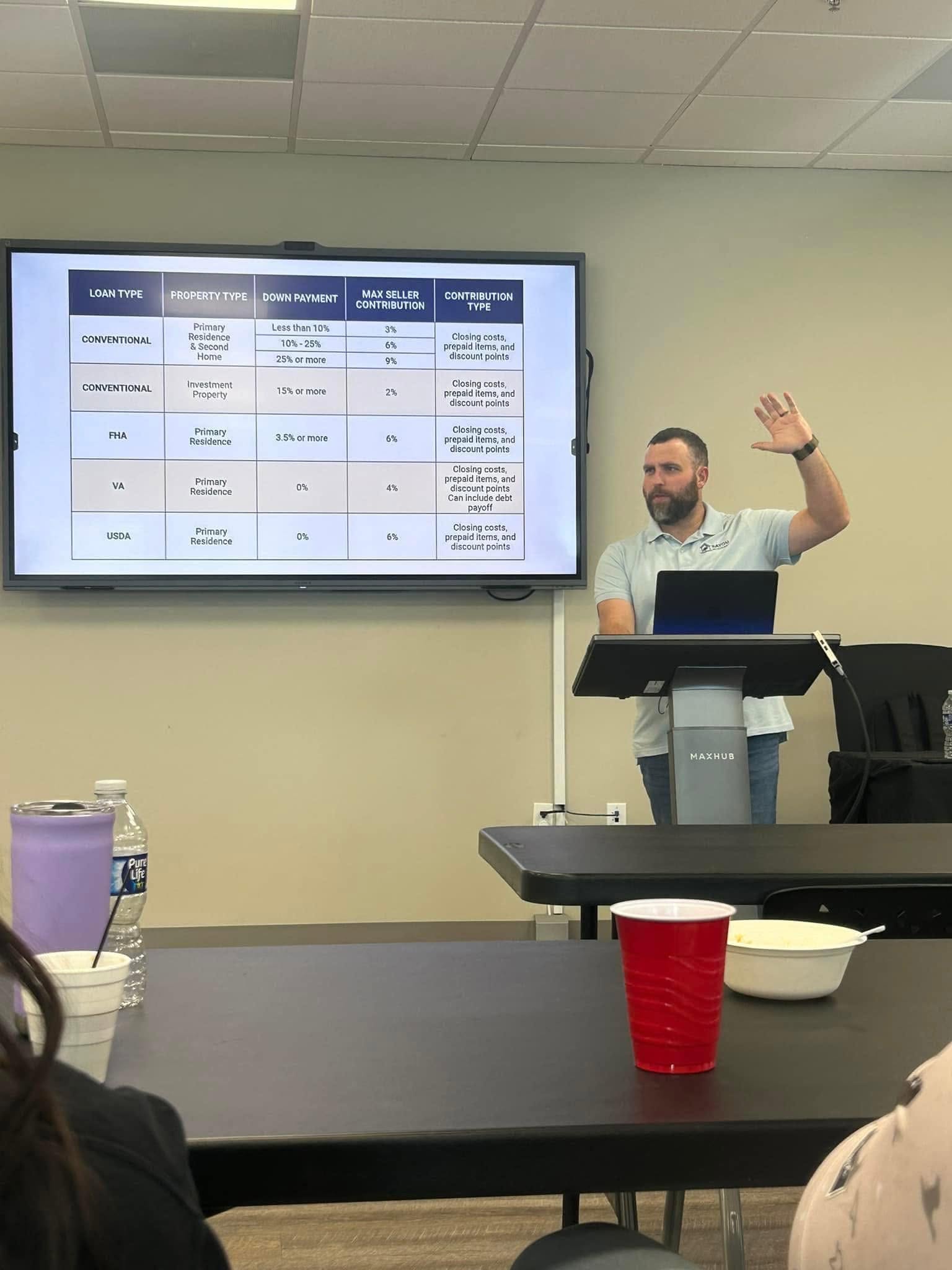
One thing to keep in mind: your down payment is separate from closing costs. FHA closing costs typically run between 2% and 4% of the loan amount in Louisiana, though the seller is allowed to contribute up to 6% of the purchase price toward your closing costs. We structure most of our FHA deals to include a seller concession, which keeps more cash in your pocket at closing.
Wondering what your FHA payment would look like? Get a personalized estimate in under 2 minutes.
What Louisiana-Specific Factors Affect FHA Approval?
FHA guidelines are federal, but your experience getting an FHA loan is shaped by where you live. Louisiana has three local factors that materially impact FHA deals: flood insurance costs, the condition of older homes, and some of the highest homeowners insurance premiums in the nation. Each of these directly affects either your approval, your purchasing power, or both.
How Does Flood Insurance Affect Your FHA Qualifying Payment?
If the property you are buying sits in a FEMA-designated Special Flood Hazard Area (SFHA), flood insurance is mandatory, no exceptions. And here is the part most buyers miss: that flood insurance premium is added to your monthly qualifying payment, which means it directly reduces how much home you can afford.
In practical terms, this is a big deal in Louisiana. According to FEMA, approximately 27% of Louisiana properties are in a designated flood zone, one of the highest percentages in the country. In areas like New Orleans (Orleans Parish), parts of Lake Charles (Calcasieu Parish), and south Lafourche Parish, flood insurance premiums under FEMA's Risk Rating 2.0 system can run anywhere from $800 to $4,000 per year depending on the property's elevation, distance from water, and construction type.
On a $2,500-per-year flood policy, that adds roughly $208 to your monthly payment. If your maximum qualifying payment is $1,800, that flood premium alone could reduce the purchase price you qualify for by $30,000 to $50,000 compared to buying an identical home outside a flood zone. We build flood insurance into every pre-approval calculation for properties in designated zones, so you always know your real budget before making an offer.
Why Do Older Louisiana Homes Trigger FHA Appraisal Issues?
FHA appraisals are not just about determining the home's market value, they also assess whether the property meets HUD's Minimum Property Requirements (MPRs). This is where Louisiana's housing stock creates friction. Many neighborhoods in Shreveport, Monroe, Alexandria, and the older sections of New Orleans and Baton Rouge have homes built in the 1950s, 1960s, and 1970s that may have deferred maintenance items that trigger MPR flags.
Common issues FHA appraisers flag on older Louisiana homes include:
- Peeling or chipping paint on homes built before 1978 (potential lead paint hazard)
- Exposed or outdated wiring, especially in homes with original knob-and-tube electrical
- Missing handrails on staircases or elevated porches
- Roof conditions, FHA requires the roof to have at least 2 years of remaining life
- Foundation cracks or settlement, which is common in Louisiana's expansive clay soils
- Active termite damage, Louisiana is one of the most termite-prone states in the country
- Crawlspace moisture or standing water, particularly in South Louisiana
When the appraiser flags these items, they become required repairs that must be completed before the loan can close. The seller can complete them, or you can negotiate a seller credit to cover the cost. About 1 in 4 FHA appraisals in Louisiana come back with at least one required repair in our experience. It is not a dealbreaker, it is just something to plan for, and it is one reason having a knowledgeable local lender matters.
How Do Louisiana's High Insurance Costs Impact Your FHA Approval?
Louisiana consistently ranks as one of the top 3 most expensive states for homeowners insurance in the United States. According to the Insurance Information Institute, the average annual homeowners insurance premium in Louisiana was approximately $3,600 in 2025, more than double the national average of roughly $1,700. In coastal parishes like Cameron, Vermilion, and Terrebonne, premiums can exceed $5,000 per year.
This matters for FHA approval because your insurance premium is included in your total monthly housing payment, which must fall within FHA's debt-to-income ratio limits. FHA typically allows a maximum front-end DTI of 46.9% and a back-end DTI of 56.9% with compensating factors. A buyer making $60,000 per year who qualifies for a $225,000 home in Texas might only qualify for $195,000 to $205,000 in Louisiana because insurance alone adds $150 to $200 more per month to the qualifying payment.
We shop insurance for our clients and factor accurate premium estimates into pre-approval calculations from day one. If you are buying in a parish with elevated insurance costs, knowing this number early can prevent surprises and help you target homes in your actual price range.
What Does FHA Mortgage Insurance Cost, And Can You Remove It?
FHA loans require two forms of mortgage insurance. First, an upfront mortgage insurance premium (UFMIP) of 1.75% of the loan amount. On a $200,000 loan, that is $3,500. This is almost always financed into the loan, so it does not come out of your pocket at closing, it just increases your loan balance slightly.
Second, you pay an annual mortgage insurance premium (MIP) that is split into monthly installments and added to your payment. For the most common FHA scenario, a 30-year term with less than 5% equity, the annual MIP rate is 0.55% of the outstanding loan balance. On a $200,000 loan, that works out to about $92 per month.
Here is the critical detail: if you put less than 10% down, MIP stays for the entire life of the loan. It never goes away unless you refinance into a different loan program. If you put 10% or more down, MIP drops off after 11 years. This is the biggest structural disadvantage of FHA compared to conventional financing, where private mortgage insurance (PMI) can be canceled once you reach 20% equity.
Many Louisiana buyers use FHA to get into a home with minimal cash, build equity over 2 to 3 years, and then refinance into a conventional loan to eliminate the ongoing MIP. This strategy works well in appreciating markets, and most Louisiana metros have seen 4% to 7% annual appreciation over the past several years.
What Are the FHA Loan Limits in Louisiana for 2026?
The FHA loan limit for most Louisiana parishes in 2026 is $524,225 for a single-family home. This is the national baseline "floor" amount, and it applies to the majority of the state. A few metro-adjacent parishes may carry slightly higher limits if median home prices push above the floor calculation threshold, but in practice, $524,225 covers more than 90% of homes sold in Louisiana outside of select New Orleans neighborhoods.
For context, the median home price in Louisiana as of early 2026 is approximately $225,000 statewide. In Baton Rouge, the median sits around $260,000. In New Orleans, it is closer to $310,000. Even in the state's priciest submarkets, FHA loan limits provide ample room for most buyers.
FHA limits are higher for multi-family properties: $671,200 for duplexes, $811,275 for triplexes, and $1,008,300 for four-unit properties. Buying a multi-family property with an FHA loan, living in one unit and renting the others, is a strategy we see more Louisiana buyers pursuing, especially in college towns like Ruston and Natchitoches where rental demand is steady.
Want To Know What This Looks Like On Your Numbers?
Every scenario is different. A soft credit check tells you where you actually stand, and nothing hits your report until you decide to move forward.
What Debt-to-Income Ratio Does FHA Require?
FHA uses two DTI calculations. The front-end ratio measures your total housing payment (principal, interest, taxes, insurance, MIP, and any HOA dues) against your gross monthly income. The back-end ratio adds all your other monthly debt obligations, car payments, student loans, credit cards, personal loans, to the housing payment and measures that total against your income.
FHA's standard guidelines allow up to 46.9% front-end and 56.9% back-end DTI when the borrower has compensating factors such as cash reserves, a strong credit score (680+), or a history of making similar housing payments. Without compensating factors, the typical limit is closer to 43% back-end.
In Louisiana, the DTI calculation is where flood insurance and high homeowners insurance premiums have the most impact. A $300-per-month insurance cost that would be $150 in another state effectively removes $150 from your qualifying housing budget, which can translate to $20,000 to $25,000 less purchasing power. This is why working with a lender who understands Louisiana-specific costs, and factors them in from the start, matters so much.
How Long Does It Take to Close an FHA Loan in Louisiana?
Most FHA loans in Louisiana close in 30 to 45 days from the date you go under contract. The typical timeline looks like this:
- Days 1 to 3: Loan application, disclosures, and document submission
- Days 3 to 7: FHA appraisal ordered and initial underwriting review begins
- Days 7 to 14: Appraisal completed, initial underwriting decision (approval with conditions)
- Days 14 to 21: Conditions cleared, pay stubs, bank statements, employment verification
- Days 21 to 28: Clear to close issued, closing disclosure sent
- Days 28 to 35: Closing and funding
The FHA appraisal step adds time that conventional loans do not require, and in Louisiana specifically, scheduling appraisers can cause delays in rural parishes like Winn, Catahoula, or Sabine where fewer appraisers are available. Post-hurricane periods also stretch appraiser availability thin across the entire Gulf Coast region. We order appraisals immediately upon receiving a signed purchase agreement to minimize delays.
At Mortgages by Channing, most clients receive full pre-approval within one business day of submitting their documents. We communicate at every step so you always know where your file stands, and we coordinate directly with your agent and the title company to keep the closing on track.
What Property Types Are Eligible for FHA Financing in Louisiana?
FHA loans cover a wider range of property types than many buyers assume. Eligible properties include:
- Single-family homes (detached houses, which make up the majority of FHA transactions)
- Townhomes, provided the development is FHA-approved or meets spot-approval criteria
- Condominiums in FHA-approved projects (or individual unit approval under the Single Unit Approval policy)
- 2-4 unit properties, as long as you live in one of the units as your primary residence
- Manufactured homes on a permanent foundation, with specific HUD tag requirements
Investment properties and vacation homes are not eligible. FHA is strictly a primary residence program. You must intend to move in within 60 days of closing and live there for at least one year. Louisiana buyers purchasing duplexes or triplexes as owner-occupied investment properties should note that the rental income from the other units can be used to help you qualify, which significantly expands your borrowing power.
Want To Know What This Looks Like On Your Numbers?
Every scenario is different. A soft credit check tells you where you actually stand, and nothing hits your report until you decide to move forward.
The Bottom Line
FHA loans remain the most accessible path to homeownership for Louisiana buyers, particularly first-time purchasers and those rebuilding credit. The 3.5% down payment, flexible credit score requirements, and generous DTI limits make FHA hard to beat. But Louisiana adds layers that buyers in other states do not face: flood insurance that eats into purchasing power, older homes that trigger appraisal repairs, and some of the nation's highest insurance premiums. Working with a local lender who builds these costs into your numbers from the start is the difference between a smooth closing and a stressful surprise. If you are considering an FHA loan in Louisiana, start with a free eligibility check, we will give you real numbers based on your specific situation, and there is no credit pull required to get started.
Frequently Asked Questions About FHA Loans in Louisiana
You need a minimum 580 credit score for the 3.5% down payment option. Scores between 500 and 579 require 10% down. Most Louisiana lenders, including Mortgages by Channing, use these same thresholds.
The FHA loan limit for most Louisiana parishes is $524,225 for a single-family home. This covers the vast majority of homes on the market across the state.
Yes. FHA allows your entire 3.5% down payment to come from a gift from a family member, employer, or approved down payment assistance program. A gift letter documenting the source is required.
Yes. If the property is in a FEMA flood zone, flood insurance is mandatory and the premium counts toward your monthly qualifying payment, which can reduce your purchasing power by $30,000 to $50,000.
Most FHA loans close in 30 to 45 days from contract. The FHA appraisal and any required repairs can extend this slightly. We order appraisals immediately to minimize delays.
If you put less than 10% down, MIP stays for the life of the loan. The only way to remove it is to refinance into a conventional loan once you reach 20% equity. With 10% or more down, MIP drops off after 11 years.
Written by
Channing Moore
Channing Moore is a Louisiana-based mortgage broker with over 10 years of experience helping buyers across Lake Charles, Lafayette, New Orleans, Shreveport, and beyond. Mortgages by Channing was built to give Louisiana families the guidance, clarity, and responsiveness that big banks don't deliver.
View Full ProfileWant To Know What This Looks Like On Your Numbers?
Every scenario is different. A soft credit check tells you where you actually stand, and nothing hits your report until you decide to move forward.
Real Closings
Real Clients.
Real Closings.
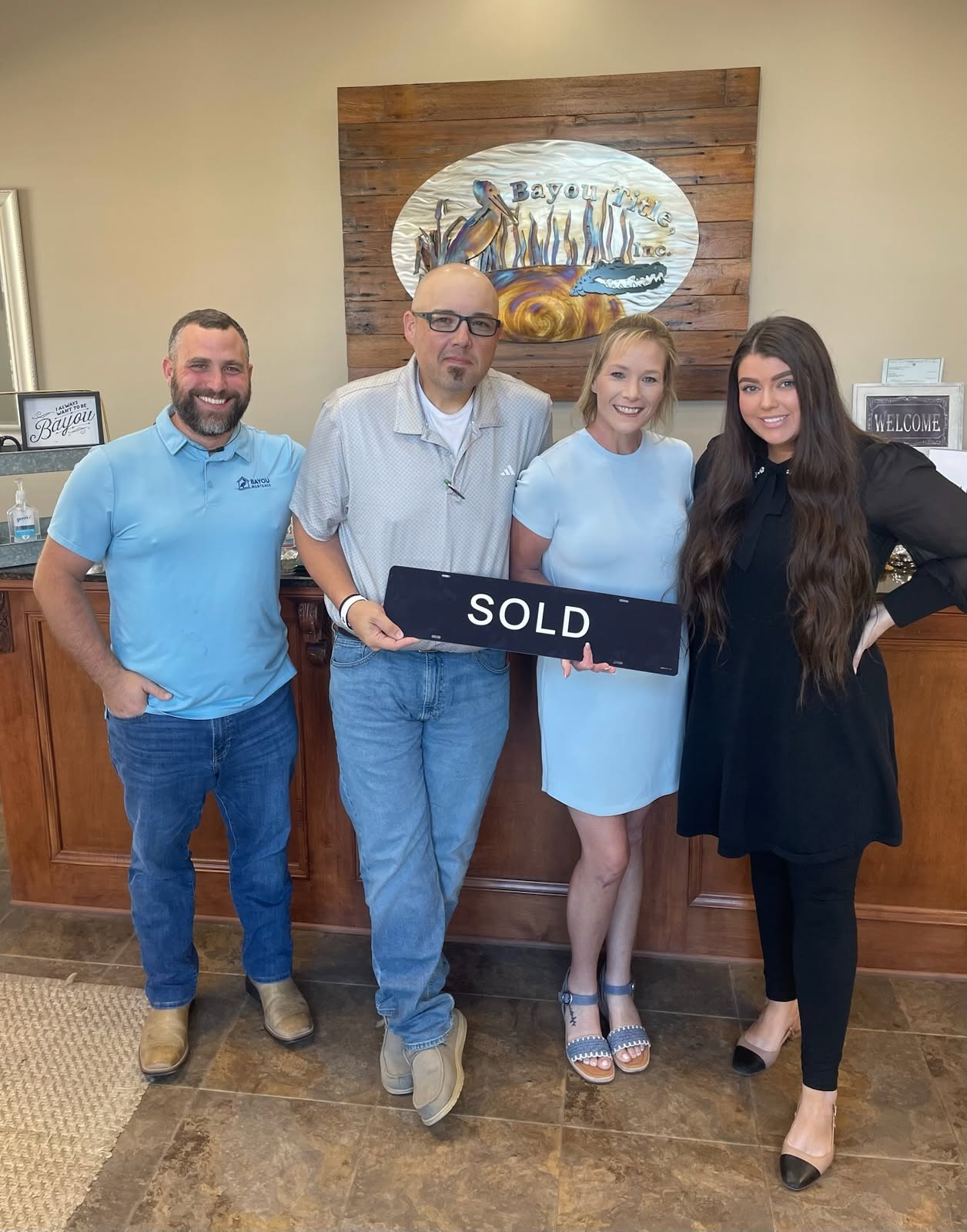
Real families we have helped get from pre-approval to keys in hand.




Find Out Where You
Actually Stand
A soft credit check tells you what you qualify for before anyone pulls hard credit. If the numbers say wait, I will tell you that too, and then we make a plan to fix whatever is in the way.
See What I Qualify ForMortgages by Channing · 337-476-2623 · Licensed across Louisiana · NMLS #1660690