
FHA Down Payment: What You Need
and Where It Can Come From
3.5% down is the headline. But how much cash you actually need to close depends on your loan size, closing costs, and what assistance is available. Here's the full picture.
The Basics
Understanding the 3.5% Down Payment Rule
FHA's minimum down payment is 3.5% of the purchase price, provided your credit score is 580 or higher. If your score falls between 500 and 579, the minimum jumps to 10%. That 3.5% figure is one of the lowest in the mortgage industry, which is a primary reason FHA remains the go-to program for buyers who haven't accumulated a large savings cushion.
However, the down payment is only one piece of the upfront cost. Many buyers focus exclusively on that 3.5% number and are caught off guard when they discover additional expenses at closing. The real figure you need to plan for is your cash-to-close, a total that includes the down payment plus closing costs, prepaid expenses, and escrow deposits. Knowing this distinction early prevents last-minute scrambling and puts you in a stronger negotiating position.
Real Numbers
Cash-to-Close vs. Down Payment
Your cash-to-close is the total amount you need to bring to the closing table. It encompasses several categories beyond the down payment itself: lender fees, third-party costs, government recording charges, prepaid interest, and escrow deposits for taxes and insurance. Here is a realistic breakdown for a $250,000 purchase with 3.5% down.
| Item | Estimated Amount |
|---|---|
| Down Payment (3.5%) | $8,750 |
| Loan Origination Fee (~1%) | $2,413 |
| Appraisal | $450 to $650 |
| Title Insurance & Search | $800 to $1,200 |
| Prepaid Interest (15 days avg.) | $850 to $1,000 |
| Homeowners Insurance (12 months) | $1,200 to $2,000 |
| Property Tax Escrow (2 to 4 months) | $500 to $1,200 |
| Recording Fees & Misc. | $200 to $400 |
| Estimated Cash-to-Close | $15,163 to $17,613 |
The upfront MIP is not part of your cash-to-close
FHA's 1.75% upfront mortgage insurance premium is almost always financed into the loan balance rather than paid out of pocket. On a $241,250 base loan, that adds roughly $4,222 to your loan amount but does not require additional cash at closing.
Fund Sources
Where Your Down Payment Can Come From
FHA is particular about the origin of your funds. Every dollar used toward the down payment and closing costs must be documented and traceable. Lenders will review two months of bank statements and flag any large deposits that fall outside your normal income pattern. This process, called sourcing, exists to confirm that your funds are legitimate and not borrowed against undisclosed debt.
Acceptable Sources
- Personal savings accountsFunds must be seasoned (typically present in your account for at least 60 days). Large recent deposits will require a paper trail.
- Gift from a family memberFHA allows 100% of the down payment to come from gifts. A signed gift letter and documented transfer are required.
- Down payment assistance programsGrants, forgivable loans, and second mortgages from approved agencies. Explore DPA options →
- Proceeds from selling your current homeDocumented through your closing disclosure from the prior sale.
- Retirement account withdrawal or loanFHA accepts hardship withdrawals from 401(k) or IRA accounts, as well as 401(k) loans. Documentation of the disbursement is required.
- Employer assistanceSome employers offer homebuyer assistance as a benefit. Must be documented as a grant or gift, not a loan.
Sources That Are Not Allowed
- The home sellerSellers cannot contribute directly to your down payment. They can, however, pay up to 6% of the price toward your closing costs through seller concessions.
- Unsecured borrowed fundsPersonal loans, cash advances, or credit card draws cannot be used for the down payment. This creates hidden debt that distorts your qualification profile.
- Undocumented cashCash deposits without a clear paper trail are not acceptable. If you receive cash regularly (tips, side work), deposit it consistently and document the source well in advance of applying.
- Interested party contributionsReal estate agents, builders, or other parties with a financial stake in the transaction cannot fund your down payment.
Want To Know What This Looks Like On Your Numbers?
Every scenario is different. A soft credit check tells you where you actually stand, and nothing hits your report until you decide to move forward.
Gift Funds
How Gift Funds Work for FHA Loans
One of FHA's most borrower-friendly features is that 100% of the down payment can come from gift funds. You do not need to contribute any of your own savings toward the 3.5% minimum. This makes homeownership accessible for buyers who have stable income and solid payment history but haven't yet built up significant liquid savings.
The gift must come from an acceptable donor: a family member (spouse, parent, grandparent, sibling, or other relative), an employer, a close friend with a clearly documented relationship, a charitable organization, or a government agency. The one party that cannot gift you down payment funds is anyone with a direct financial interest in the sale, the seller, the real estate agent, the builder, or the lender.
What the gift letter must contain
The gift letter is a short document signed by the donor that states: the dollar amount of the gift, the donor's name and relationship to the borrower, the property address, and a clear declaration that no repayment is expected or required. Your lender will also require a paper trail showing the funds moving from the donor's account into yours (or directly to the title company). The most common mistake that delays closings is a gift letter that lacks the "no repayment" language or missing bank statements showing the transfer.
Need Help Mapping Out Your Cash-to-Close?
Mortgages by Channing will build a detailed estimate showing every dollar you need, and identify assistance that could reduce it.
Assistance Programs
Down Payment Assistance and FHA
FHA loans are compatible with the vast majority of down payment assistance (DPA) programs offered at the federal, regional, and local levels. These programs can cover part or all of your down payment and, in some cases, closing costs as well. There are three primary structures you will encounter.
Types of DPA
- GrantsFree money that never needs to be repaid. Typically funded by housing authorities or nonprofit organizations. Amount varies by program.
- Forgivable second mortgagesA silent second lien that is forgiven after you remain in the home for a set period (commonly 5 to 10 years). No monthly payment required during that time.
- Repayable second mortgagesA low-interest or deferred-payment second lien. Repayment is triggered when you sell, refinance, or at the end of a set term.
Eligibility Basics
Most DPA programs have income limits (often 80% to 120% of the area median income) and may require homebuyer education. Many programs are open to both first-time and repeat buyers, despite the common misconception that only first-time purchasers qualify.
Your lender needs to be approved to work with each specific DPA program. Mortgages by Channing participates in multiple assistance programs and can identify which ones you are eligible for during the pre-approval process.
Negotiation
Seller Concessions: Up to 6% Toward Closing Costs
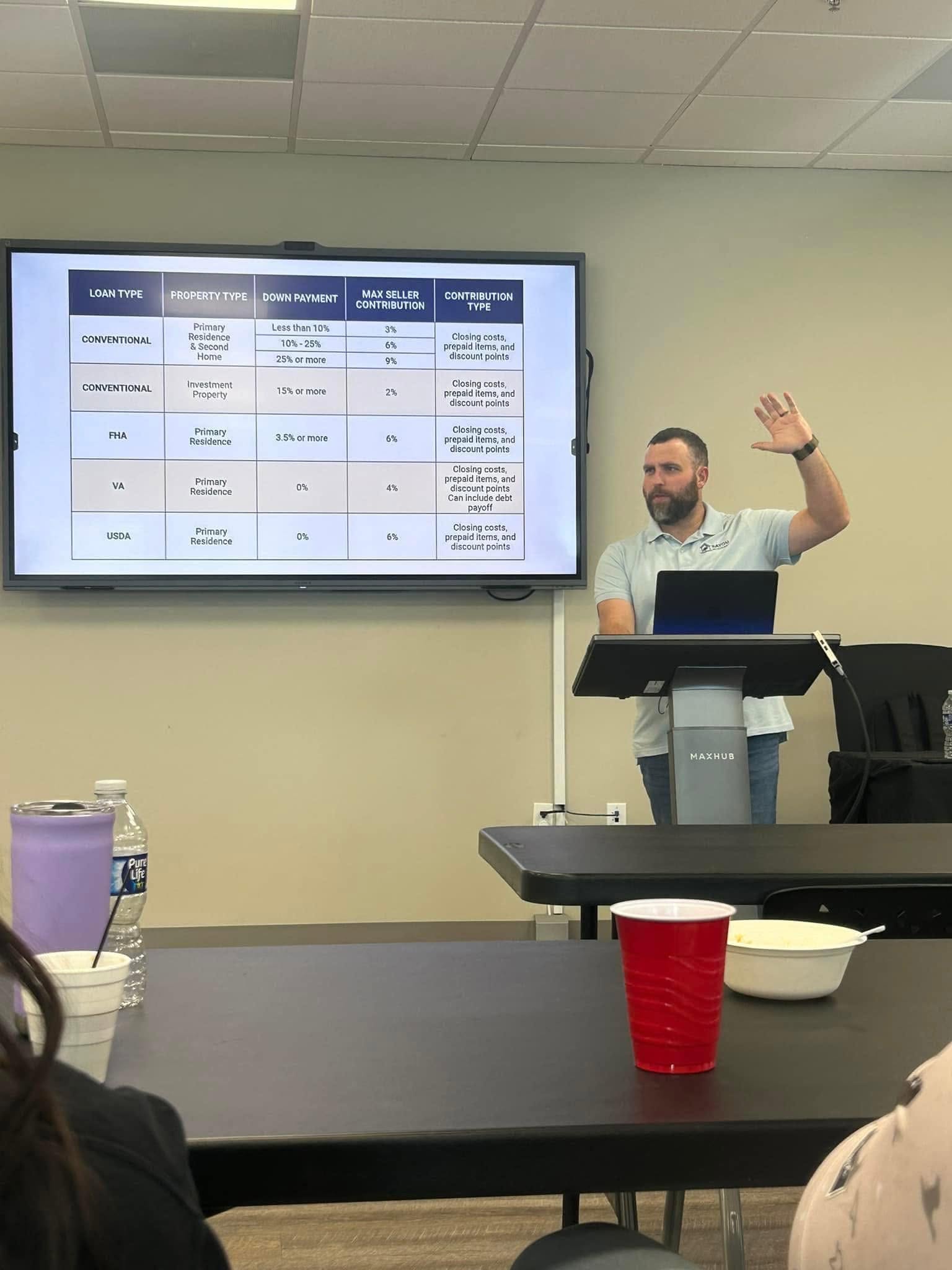
FHA allows the seller to contribute up to 6% of the purchase price toward the buyer's closing costs and prepaid expenses. This is one of the highest seller concession allowances among major loan types, conventional loans cap it at 3% for borrowers putting less than 10% down.
Seller concessions cannot be applied to the down payment itself. They can, however, cover virtually every other upfront cost: origination fees, appraisal, title work, prepaid interest, property tax escrow, and homeowners insurance deposits. In practice, a 3% to 4% seller concession on a $250,000 purchase ($7,500 to $10,000) can eliminate most or all of the non-down-payment cash you would otherwise need at closing.
How to request seller concessions
Concessions are negotiated as part of the purchase contract. Your real estate agent writes the request into the offer (for example, "Seller to contribute 3% of the purchase price toward buyer's closing costs"). In a buyer-friendly market, sellers are often willing to absorb these costs to close the deal. In competitive markets, concessions may need to be offset with a higher offer price. Your lender can model different scenarios to show the net effect on your payment and total costs. Understanding all FHA requirements before negotiating strengthens your position.
Quick Reference
FHA Down Payment by Purchase Price
Use this table to quickly see what your minimum down payment looks like across common price ranges. The 3.5% column applies to borrowers with a 580+ credit score; the 10% column applies to the 500 to 579 range.
| Purchase Price | 3.5% Down | 10% Down |
|---|---|---|
| $100,000 | $3,500 | $10,000 |
| $150,000 | $5,250 | $15,000 |
| $200,000 | $7,000 | $20,000 |
| $250,000 | $8,750 | $25,000 |
| $300,000 | $10,500 | $30,000 |
| $350,000 | $12,250 | $35,000 |
| $400,000 | $14,000 | $40,000 |
| $450,000 | $15,750 | $45,000 |
| $500,000 | $17,500 | $50,000 |
Keep in mind that your total cash-to-close will be higher than the down payment alone. Add 2% to 5% of the loan amount for closing costs and prepaids unless those are covered by seller concessions or assistance programs.
Want To Know What This Looks Like On Your Numbers?
Every scenario is different. A soft credit check tells you where you actually stand, and nothing hits your report until you decide to move forward.
Common Questions
FHA Down Payment FAQ
Answers to common questions about FHA down payments, funding sources, and closing costs.
Know Your Number.
Mortgages by Channing will show you your real cash-to-close, down payment, closing costs, prepaids, and what assistance might be available.
The Application
Apply From Your Phone In Fifteen Minutes
The whole FHA application runs on your phone. Snap photos of your documents, connect your bank, and you're done. It reaches me the minute you submit it.
- Starts with a soft credit check, so your score is never touched
- We check your FHA numbers before anyone pulls hard credit
- Upload documents with your phone camera, no scanner needed
- You hear back from Channing, not from a call center queue
If the numbers say wait, I'll tell you that too, and then we make a plan to fix whatever is in the way.
Complete Your Application
Five short steps. Most people finish in about fifteen minutes.
- Tell us what you're looking for
- We check your FHA numbers
- Upload your documents
Your pre-approval letter is ready. I sent it to your email and to your agent.
Got your application. I'm reviewing it now and will call you this afternoon.
Real Closings
Real Clients.
Real Closings.
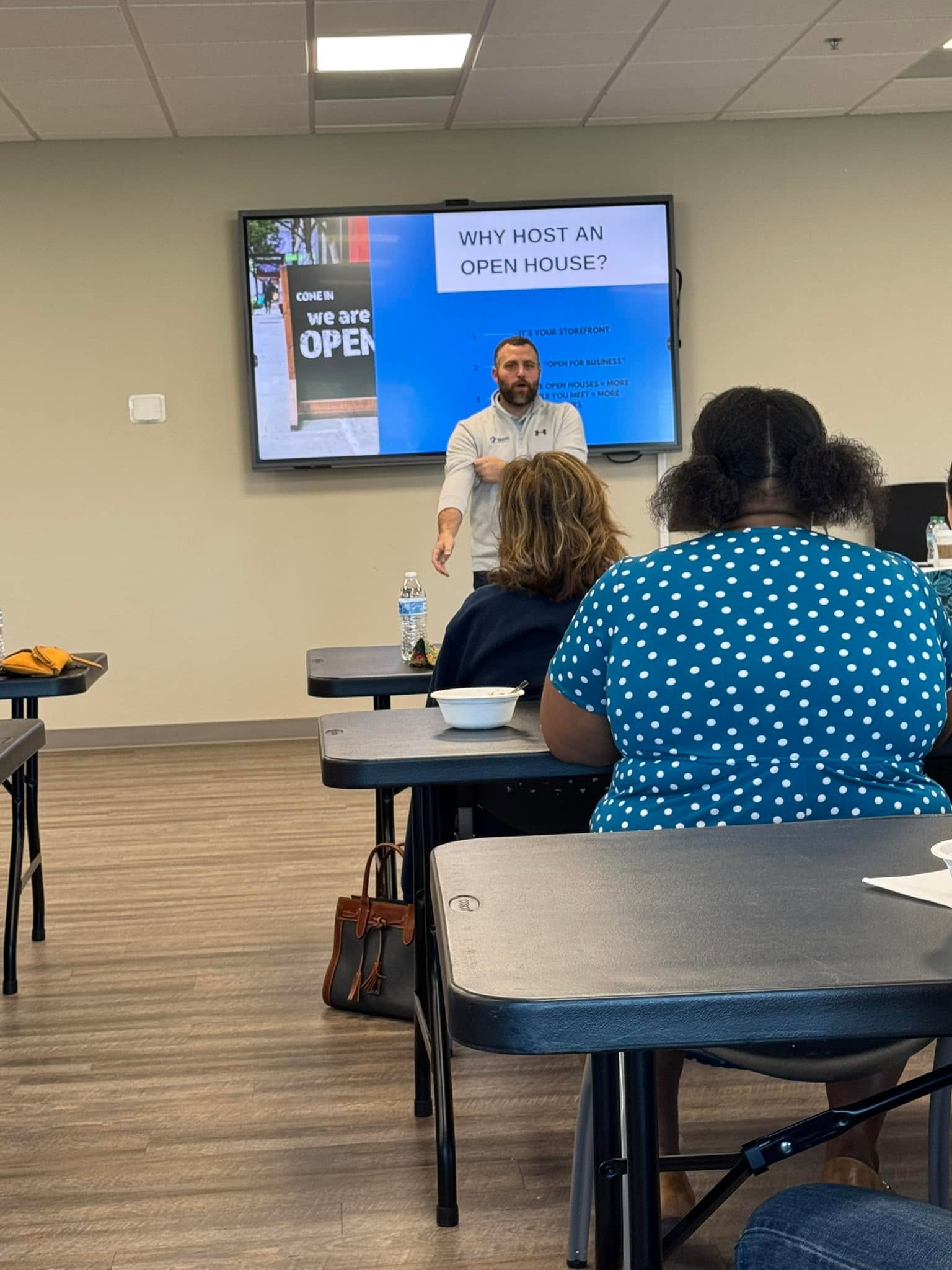
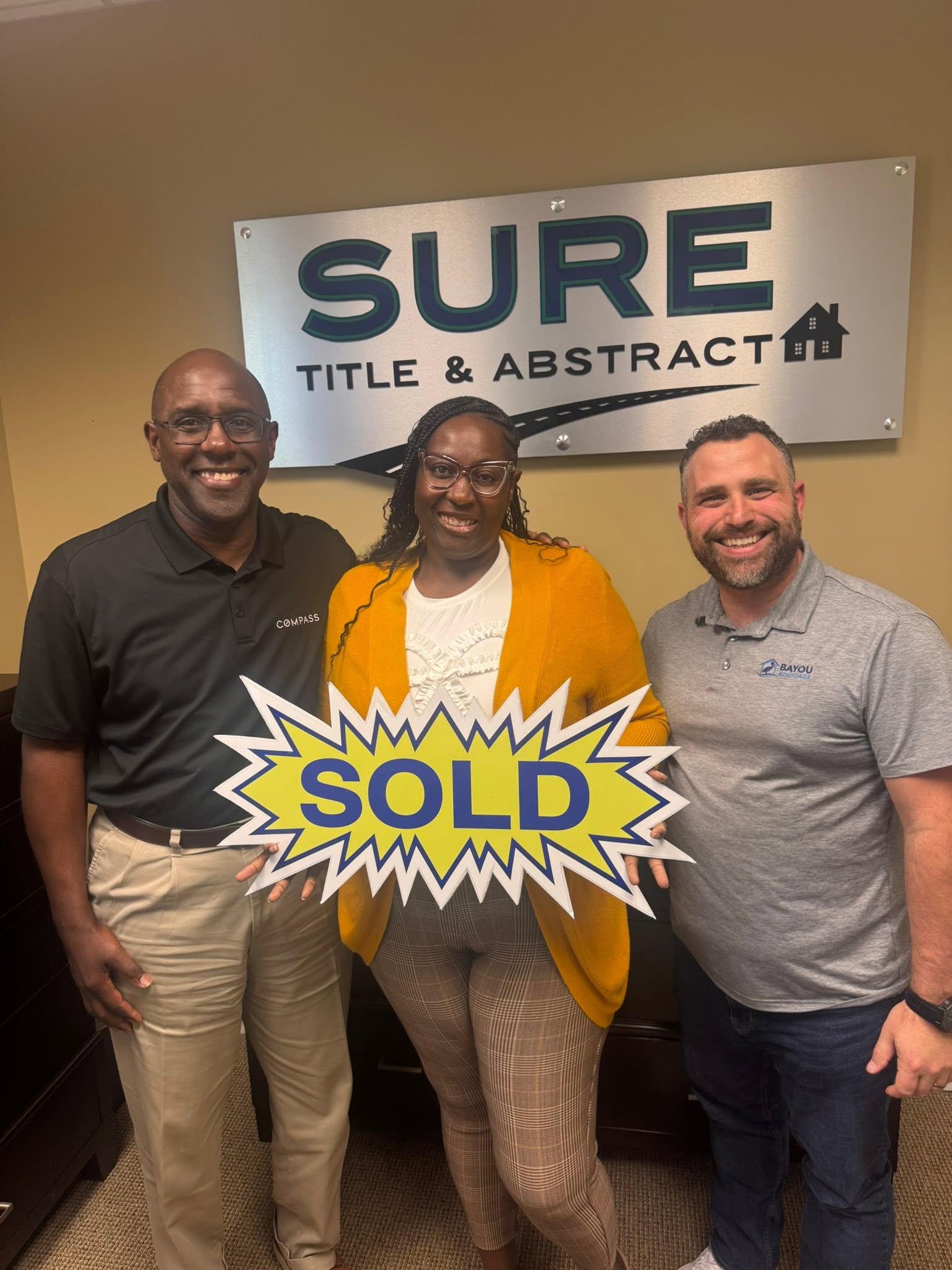
Real families we have helped get from pre-approval to keys in hand.



Find Out Where You
Actually Stand
A soft credit check tells you what you qualify for before anyone pulls hard credit. If the numbers say wait, I will tell you that too, and then we make a plan to fix whatever is in the way.
See What I Qualify ForMortgages by Channing · 337-476-2623 · Licensed across Louisiana · NMLS #1660690