“I have to refinance to get cash out.”
You Can Keep Your First Mortgage
A home equity loan sits on top of your first mortgage, so your rate and payment there don’t change.
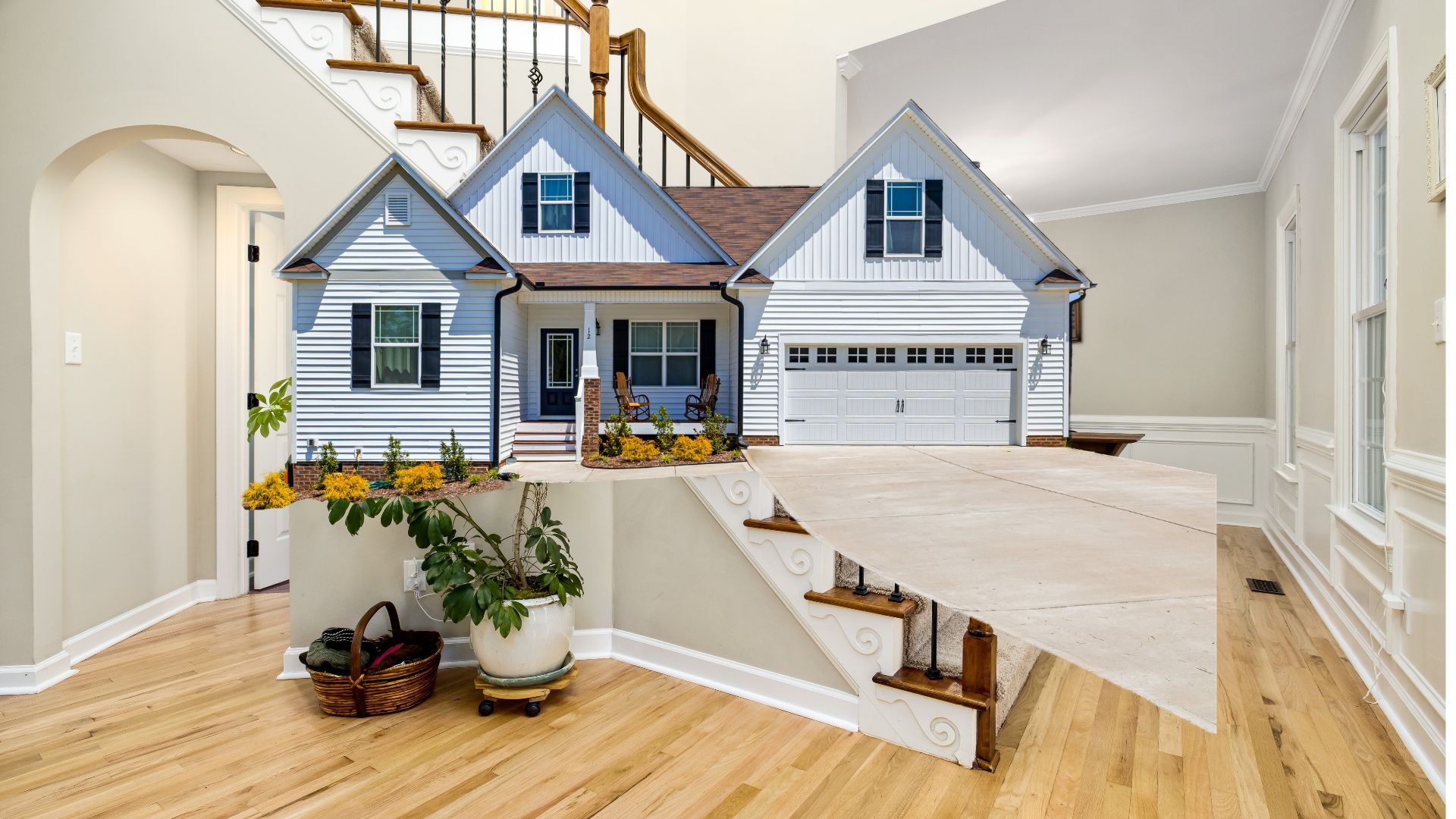
A home equity loan gives you cash from your equity all at once, with a fixed rate and a fixed payment, while your first mortgage and its rate stay exactly where they are. It’s the predictable way to fund a big expense.
A home equity loan is a second mortgage that gives you one lump sum from your home's equity, with a fixed rate and a fixed monthly payment over a set term, usually 10 to 30 years. Your first mortgage stays in place, and you repay the new loan on its own schedule.
A home equity loan works like any other loan. You close, you get the money in one lump sum, and you make the same payment every month until it's paid off. Terms are usually 10, 15, 20, or 30 years, and the rate is fixed for the life of the loan.
It's almost always a second mortgage, sitting behind your first. Your first mortgage, its rate, and its payment don't change. If your home is paid off, the home equity loan becomes the only lien. How much you can borrow depends on your home's value, what you owe, and the lender's limit.
A home equity loan is the right fit when you have one big expense and you'll take a while to pay it back. A major remodel, a boat or RV, or consolidating higher rate debt all fit, because you know your exact payment from day one and it never changes.
It makes the most sense when your first mortgage rate is lower than today's rates. Instead of refinancing your whole balance at a higher rate, you borrow just the extra on top. The rate will be higher than a first mortgage, but usually lower than boat, auto, personal loan, and credit card rates.
If you need money in pieces over time, or you'll pay it back quickly, a HELOC is usually more flexible. And if today's rates are lower than your current rate, a cash out refinance might beat both. We'll run all three so you can compare.
I walk through how a home equity loan and a HELOC differ, why either can beat a full refinance right now, and what to watch out for.
“I have to refinance to get cash out.”
A home equity loan sits on top of your first mortgage, so your rate and payment there don’t change.
“A HELOC and a home equity loan are the same thing.”
A home equity loan is a fixed lump sum with a fixed payment. A HELOC is a variable rate line you draw from.
“Equity loans cost more than any other loan.”
Rates are usually higher than first mortgages but often lower than boat, RV, personal loan, and credit card rates.
Lenders let your total mortgage debt reach a set share of your home’s value, often 80 to 90%. Here’s the math on an example home at an 85% limit.

Example only. Your limit depends on the lender, your credit, and an appraisal.
Three ways to turn equity into cash. Here’s where a home equity loan fits.
My take: for a big purchase you’ll pay off over years, like a boat or an RV, the fixed payment is worth it. You know exactly what you owe every month.
Handle these before you apply.
Take the amount the project needs, not the most you qualify for.
Compare the fixed payment and term against the alternatives.
A 680 to 700 score with clean history gets the best terms. Avoid new debt while you apply.
If your rate is lower than today’s, a second lien beats refinancing the whole loan.
Here’s exactly what happens after you reach out.
Share your current rate, your balance, and what you want to change. We start with a soft credit check, so your score isn’t touched.
Check My EquityWe compare your options and show you the payment, the cost, and how long it takes to break even on each one.
Check My EquityWe order the appraisal if one is needed, work with title, and take your file through underwriting to closing day.
Check My Equity







A home equity loan is a second mortgage that gives you one lump sum from your home's equity, with a fixed rate and a fixed monthly payment over a set term, usually 10 to 30 years. Your first mortgage stays in place, and you repay the new loan on its own schedule.
A home equity loan pays you once, up front, at a fixed rate with a fixed payment. A HELOC is a line you draw from as needed, with a variable rate and usually interest only payments at first.
A cash out refinance replaces your whole mortgage at today's rate. If your current rate is lower than today's rates, a home equity loan lets you keep it and borrow only the extra on top.
Typically 680 to 700 or higher, with a strong payment history. Lower scores may not qualify or may get a much higher rate.
It depends on your home's value, what you owe, and the lender's combined loan to value limit. Many lenders let your first mortgage and the new loan together reach 80 to 90% of your home's value.
Anything. It's especially good for big one time costs you'll pay off over years, like a major remodel, a boat or RV, or consolidating higher rate debt, because you know your payment from day one.
Usually, yes. It sits behind your first mortgage as a second lien. If your home is paid off, it can be the only lien on the home.
They're typically higher than first mortgage rates, but often lower than rates on boats, RVs, personal loans, and credit cards, because the loan is secured by your home.
It gets paid off at closing from the sale proceeds, along with your first mortgage.
These are the options homeowners compare it with.
A variable rate line of credit you draw from as needed.
Learn More RefinanceReplace your mortgage with a bigger one and take the difference in cash.
Learn More EquityUse your current home’s equity to buy the next one before you sell.
Learn More RefinanceChange your rate or term on the loan you already have.
Learn More BuyUse your equity toward the down payment on a second home.
Learn More BuyCompare every purchase loan side by side.
Learn MoreFifteen minutes gets you a real number instead of a guess, and the soft credit check costs your score nothing.