
FHA + Down Payment Assistance:
How to Stack the Programs
FHA's 3.5% down payment can be covered entirely by assistance programs, grants, forgivable loans, and second liens available at the federal and local level. Here's how it works.
The Basics
What Is Down Payment Assistance?
Down payment assistance, commonly referred to as DPA, is funding provided by government agencies, housing authorities, and nonprofit organizations to help homebuyers cover the upfront costs of purchasing a property. These programs exist because the down payment and closing costs remain the single largest barrier to homeownership for working households that can otherwise afford a monthly mortgage payment.
FHA financing is the most DPA-compatible loan product available. Because FHA already requires just 3.5% down and permits generous seller concessions, adding an assistance program on top can reduce your total out-of-pocket cost to near zero. That combination is what makes FHA plus DPA the most accessible path into homeownership for buyers who have steady income but limited savings.
It's important to understand that DPA is not charity and it's not a handout. Most programs are funded through housing bonds, tax credits, or government appropriations specifically allocated to promote homeownership. Some assistance comes as a true grant with no strings attached, while others are structured as loans with favorable terms, deferred payments, zero interest, or forgiveness after a set period. The structure varies, but the goal is the same: bridge the gap between what you earn and what you've saved.
Program Types
Four Types of Down Payment Assistance
Not all assistance is created equal. The type of DPA you receive determines whether you'll repay it, when it's forgiven, and what obligations come with it. Understanding these distinctions helps you evaluate which programs offer the best long-term value for your situation.
| Type | How It Works | Repayment | Best For |
|---|---|---|---|
| Grant | Cash provided directly to the buyer, no lien recorded against the property. | None required | Maximum flexibility |
| Forgivable Second Lien | Second mortgage recorded on title, forgiven after occupancy period (typically 3 to 10 years). | Forgiven if you stay | Long-term homeowners |
| Deferred Second Lien | Second mortgage with no monthly payments. Balance due when you sell, refinance, or move out. | Due on sale/refi | Cash-constrained buyers |
| Repayable Second Lien | Low or zero-interest second mortgage with monthly payments alongside your FHA loan. | Monthly payments | Buyers with budget room |
Forgivable second liens are the most common DPA structure
Most housing finance agency programs use this model. The assistance is recorded as a subordinate lien, requires no monthly payments, and is forgiven entirely if you remain in the home for the specified period. If you sell or refinance before the forgiveness date, you repay the outstanding balance from your sale proceeds. This structure gives you free money as long as you stay put, which most first-time buyers intend to do anyway.
Qualifications
Common DPA Eligibility Requirements
Every assistance program sets its own eligibility criteria, but several requirements appear across nearly all of them. Meeting your FHA lender's qualification standards is only half the equation, you also need to satisfy the DPA provider's criteria to access their funds.
Typical Requirements
- Income limitsMost programs cap household income at 80 to 120% of the area median income. Higher earners are typically excluded.
- Purchase price limitsThe home must fall below a maximum price threshold set by the program, usually aligned with FHA loan limits or area median prices.
- Primary residenceThe property must be your primary home. Investment properties and second homes are not eligible for DPA.
- Homebuyer educationCompletion of a HUD-approved course is required by nearly every program before closing.
Common Additional Criteria
- iFirst-time buyer status (3-year rule)Many programs require HUD's first-time buyer definition, no ownership interest in a principal residence in the past 3 years.
- iMinimum credit scoreDPA programs often set their own credit score minimums, typically 620 to 660, sometimes higher than FHA's 580 floor.
- iDTI limitsSome programs impose stricter debt-to-income caps than FHA allows (e.g., 45% max vs. FHA's 57%).
- iAsset limitsCertain programs disqualify buyers with liquid assets above a threshold, ensuring funds go to those who truly need assistance.
Want To Know What This Looks Like On Your Numbers?
Every scenario is different. A soft credit check tells you where you actually stand, and nothing hits your report until you decide to move forward.
Not Sure If You Qualify for Assistance?
Mortgages by Channing will identify which programs apply to your income, credit, and purchase situation before you fill out a single application.
Required Step
The Homebuyer Education Requirement
Almost every DPA program requires completion of a HUD-approved homebuyer education course as a condition of receiving assistance. This requirement catches many buyers off guard, especially those who are already deep into the approval process when they learn about it. Getting the course done early prevents last-minute closing delays.
These courses cover the fundamentals of the purchasing process: how to budget for homeownership, what to expect during underwriting, how to maintain your home after closing, and how to avoid financial pitfalls that lead to delinquency. The curriculum is standardized by HUD and delivered by approved counseling agencies.
Course Details
- Duration: 6 to 8 hoursCan typically be completed in a single day, or split across multiple sessions.
- Cost: $75 to $100Some agencies offer free courses. Online options are widely available and equally accepted.
- Certificate valid for 12 to 24 monthsComplete it early and it remains valid through your home search and closing process.
- Online options acceptedMost DPA programs accept certificates from approved online providers, no need to attend in person.
Why It Matters
Beyond satisfying a checkbox, the education course gives you practical knowledge that protects your investment. Buyers who complete homeownership counseling have lower delinquency rates and report greater confidence in managing their mortgage.
The course also covers how to read your loan estimate, what closing costs actually pay for, and how to dispute errors on your closing disclosure, knowledge that saves money even if you never use a DPA program.
Mechanics
How FHA + DPA Stacking Actually Works
When you combine an FHA mortgage with a DPA program, two separate financing transactions happen simultaneously at the closing table. Understanding the mechanics helps you see why this works and what obligations each piece carries.
The FHA loan is your primary mortgage, it covers the purchase price minus the down payment. Your monthly payment goes to this lender, and the loan carries the standard FHA terms: 3.5% down, upfront and annual mortgage insurance, and whatever interest rate you locked.
The DPA provides the funds that satisfy your 3.5% down payment requirement (and sometimes closing costs). This money arrives from the assistance provider and is applied at closing. If the DPA is structured as a second lien, a subordinate mortgage is recorded on your title, but with no monthly payment in most cases. The DPA lender sits in second position behind your FHA lender.
From the FHA lender's perspective, the DPA funds are an acceptable source for the down payment. FHA explicitly permits down payment assistance from government agencies and approved nonprofits. The underwriter reviews both the FHA loan qualification and the DPA program eligibility as part of the same file. One closing, one set of documents, one closing disclosure, but two separate funding sources working together.
The combined debt matters for qualification
If your DPA carries a monthly payment (repayable second lien), that payment is included in your debt-to-income ratio for FHA qualification. Deferred and forgivable seconds with no monthly payment generally do not count against your DTI, but the underwriter will note the second lien on your file. This is one reason forgivable and deferred structures are more popular: they don't reduce your buying power.
Coverage
What DPA Can and Cannot Cover
Assistance programs vary in how broadly they define allowable uses. Some cover only the down payment, while more generous programs extend to closing costs, prepaids, and other settlement charges. Knowing the boundaries prevents surprises at the closing table.
What DPA Can Cover
- Down payment (3.5% FHA minimum)This is the primary purpose of every DPA program.
- Closing costsMany programs allow surplus funds to apply toward lender fees, title charges, and settlement costs.
- Prepaids and escrow depositsHomeowners insurance premiums, property tax escrow, and per-diem interest can sometimes be covered.
- Rate buydowns (select programs)A few programs allow funds to be used for discount points that permanently reduce your interest rate.
What DPA Cannot Cover
- FHA upfront mortgage insurance premiumThe 1.75% upfront MIP must be financed into the loan or paid by the borrower, DPA funds cannot be applied directly to this charge.
- Post-closing reservesDPA is designed for settlement costs. Cash reserves required after closing must come from your own accounts.
- Home repairs or improvementsAssistance funds are for purchase costs only, not renovation, furnishing, or repair expenses.
- Debts or collections payoffYou cannot use DPA to pay down debt to improve your DTI for qualification.
Want To Know What This Looks Like On Your Numbers?
Every scenario is different. A soft credit check tells you where you actually stand, and nothing hits your report until you decide to move forward.
Next Steps
How to Find Programs You Qualify For
With over 2,000 DPA programs operating across the country, the challenge isn't whether assistance exists, it's identifying which programs apply to your specific income, location, and purchase scenario. Here are the most reliable ways to find what's available.
Where to Search
- Your lender (best first step)Mortgages by Channing maintains current databases of active programs and can match you to eligible options before you apply.
- HUD's resource directoryHUD maintains a searchable list of approved housing counseling agencies and program administrators organized by region.
- Housing finance agenciesEach region has a housing finance authority that administers bond-funded assistance programs with specific eligibility criteria.
- Local housing authoritiesMunicipal and county housing departments often run smaller, targeted programs that larger databases miss.
Why Your Lender Matters Most
Not every lender participates in every DPA program. Many assistance providers require the originating lender to be an approved participant in their specific program. If your lender doesn't have an active relationship with the DPA provider, you cannot access those funds through that lender.
Mortgages by Channing works with multiple assistance programs and can identify which ones you're eligible for based on your income, household size, and purchase parameters. Starting with a lender who already participates in DPA programs saves you from discovering eligibility only to learn your lender can't process it.
DPA programs have limited funding, timing matters
Many assistance programs operate on annual funding cycles. When the allocation runs out, the program closes until the next fiscal year. Starting early gives you the best chance of securing assistance while funds remain available. Mortgages by Channing tracks program availability in real time and will let you know immediately if a program you qualify for is still accepting applications.
Common Questions
Down Payment Assistance FAQ
Questions about combining FHA loans with assistance programs.
You May Qualify for Assistance
Mortgages by Channing works with DPA programs and will identify what you qualify for before you apply. The process is straightforward.
The Application
Apply From Your Phone In Fifteen Minutes
The whole FHA application runs on your phone. Snap photos of your documents, connect your bank, and you're done. It reaches me the minute you submit it.
- Starts with a soft credit check, so your score is never touched
- We check your FHA numbers before anyone pulls hard credit
- Upload documents with your phone camera, no scanner needed
- You hear back from Channing, not from a call center queue
If the numbers say wait, I'll tell you that too, and then we make a plan to fix whatever is in the way.
Complete Your Application
Five short steps. Most people finish in about fifteen minutes.
- Tell us what you're looking for
- We check your FHA numbers
- Upload your documents
Your pre-approval letter is ready. I sent it to your email and to your agent.
Got your application. I'm reviewing it now and will call you this afternoon.
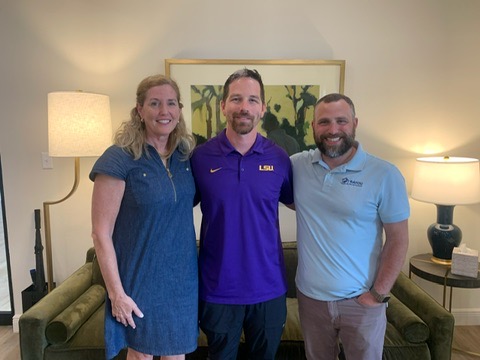
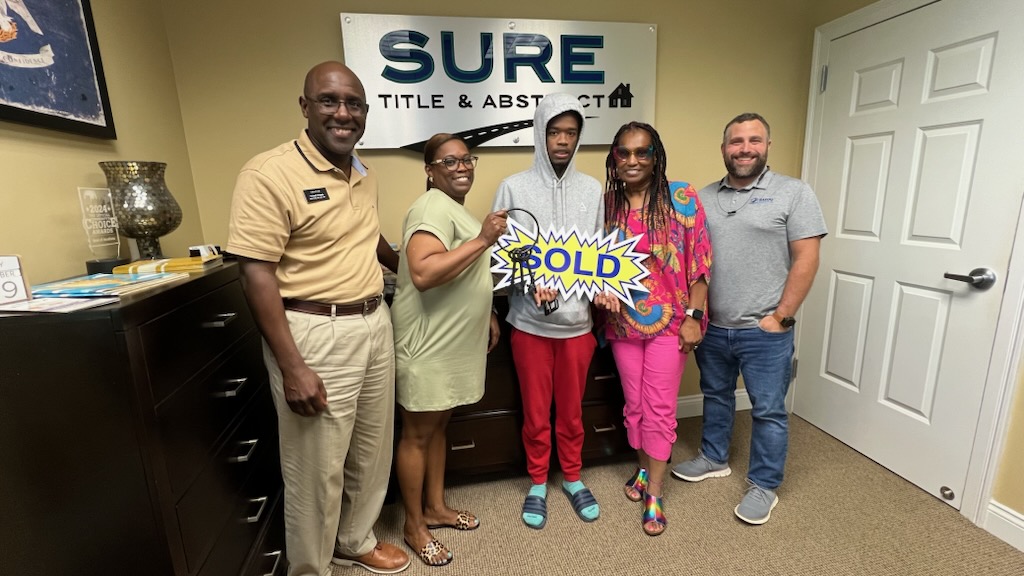
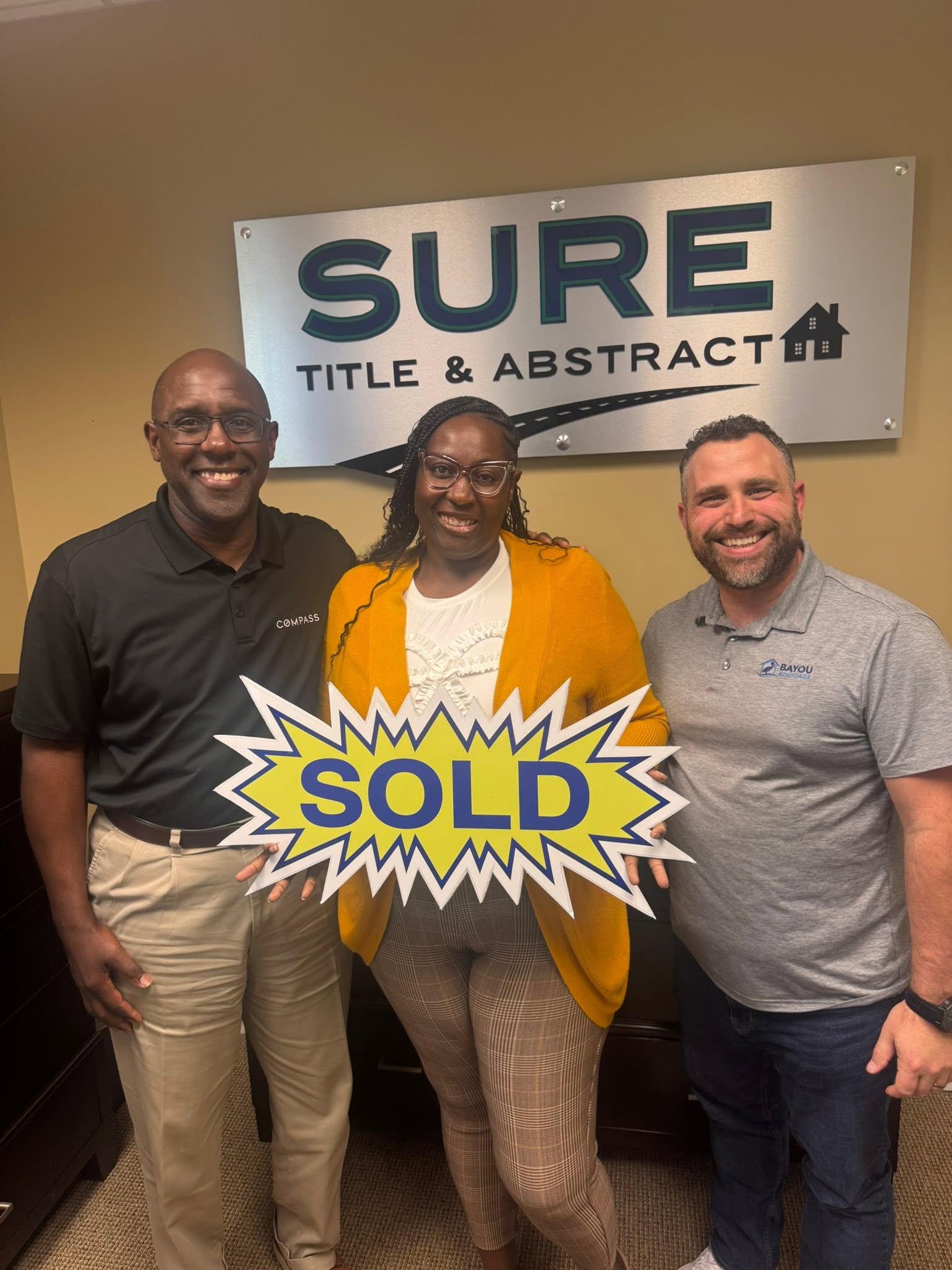
Real Closings
Real Clients.
Real Closings.
Real families we have helped get from pre-approval to keys in hand.


Find Out Where You
Actually Stand
A soft credit check tells you what you qualify for before anyone pulls hard credit. If the numbers say wait, I will tell you that too, and then we make a plan to fix whatever is in the way.
See What I Qualify ForMortgages by Channing · 337-476-2623 · Licensed across Louisiana · NMLS #1660690