“USDA loans are for farms.”
It’s About Location, Not Farming
Rural to USDA usually means a population under about 35,000. Lots of small towns and outer suburbs qualify. Extending your commute 15 to 30 minutes often opens it up.
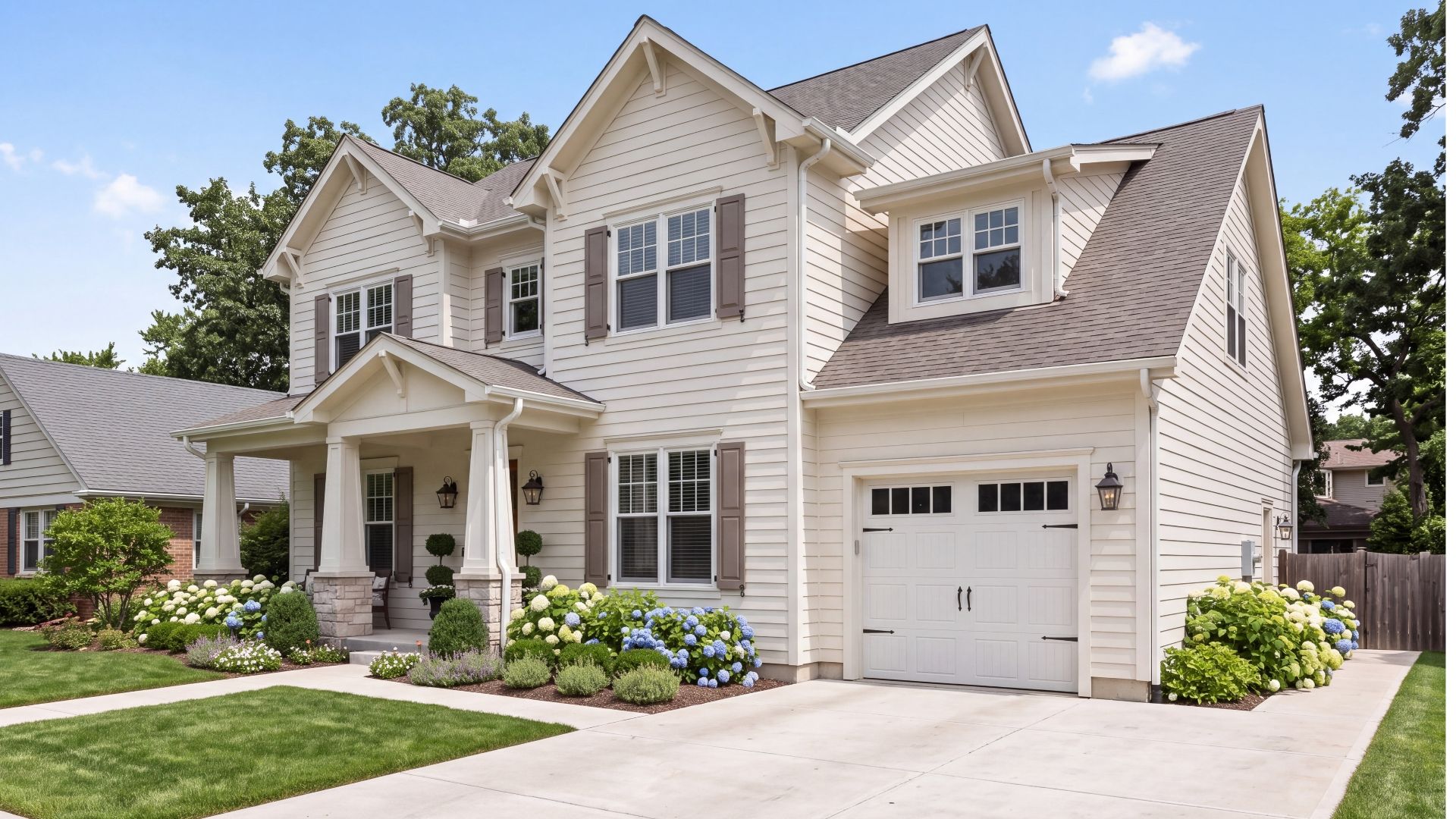
USDA isn’t a farm loan and it isn’t just for first time buyers. It’s a zero down loan with lower mortgage insurance than FHA, for homes in eligible towns and suburbs. I’ll show you if the address and your household income qualify.
A USDA loan is a home loan guaranteed by the U.S. Department of Agriculture for homes in eligible rural and suburban areas. It allows $0 down for buyers whose household income is under the area limit, with lower mortgage insurance than FHA. It's for the home you live in.
The program is officially the USDA Single Family Housing Guaranteed Loan. The government guarantees part of the loan, which lets lenders offer $0 down. There are two tests: the home has to be in an eligible area, and your household income has to be under the limit for your area. The income test counts everyone in the household, not just the people on the loan.
Instead of FHA style mortgage insurance, USDA charges an upfront guarantee fee of 1%, usually rolled into the loan, and an annual fee of 0.35% paid monthly. That's lower than FHA's monthly premium, which is a big part of why USDA payments often come in lower.
USDA is the loan to look at when you don't have much saved, your income is moderate, and the home you want is outside the core of the city. Many communities around Lake Charles fall inside eligible areas, so it's always worth checking the address before you assume it won't work.
It's a strong fit for first time buyers and families who earn a steady income but haven't been able to save a down payment. Sellers can help with closing costs, so some USDA buyers close with very little out of pocket.
It won't work if your household income is over the limit, if the home is in an ineligible area, or if you're buying a rental or a second home. USDA is only for the home you'll live in. If your income is close to the limit, let us run the numbers, because some childcare costs and other items can be deducted.
I walk through who qualifies, how household income is counted, credit and manual underwriting, closing costs, and the hidden guidelines you won’t find on Google.
“USDA loans are for farms.”
Rural to USDA usually means a population under about 35,000. Lots of small towns and outer suburbs qualify. Extending your commute 15 to 30 minutes often opens it up.
“It’s only for first time buyers.”
USDA is open to first time and repeat buyers, as long as it’s your primary residence and you don’t already own an adequate home nearby.
“I still need thousands for closing costs.”
The seller can cover up to 6% of the price, and if the home appraises high you can roll closing costs into the loan. Often all that’s left is the appraisal and inspection.
USDA is one of the best zero down loans out there. It also has more rules than most, so we check them with your real numbers first.
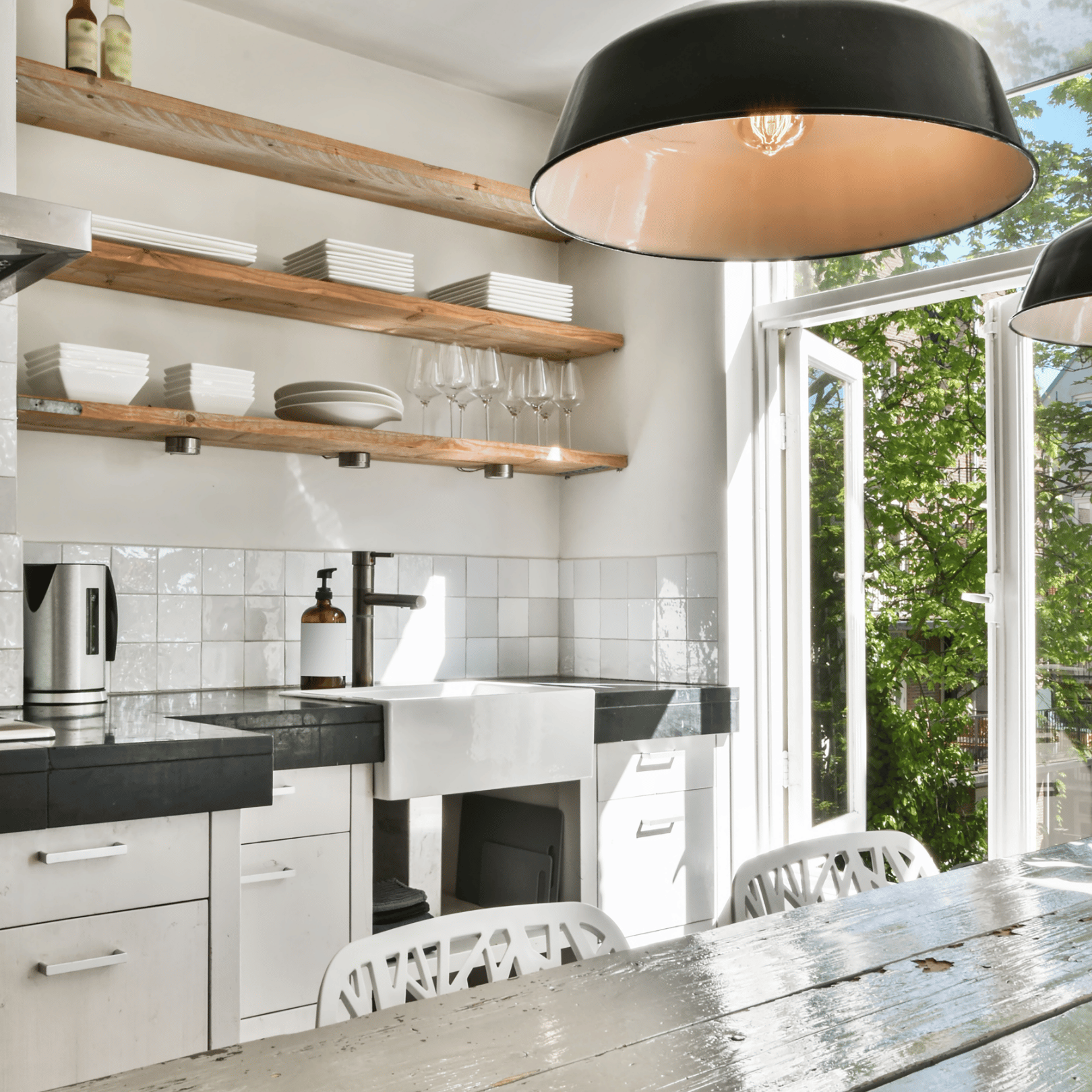
USDA has two tests: the property and the household. Then the normal credit and income rules apply on top.
The address has to be in a USDA eligible area. Check it on USDA’s map before you fall in love with a house.
Every adult 18 or older living in the home counts, even if they’re not on the loan. $480 per dependent, childcare, and certain medical costs can be deducted.
640 for an automated approval. Most buyers under 680 to 700 go manual, and we have lenders that go to 580. No late payments in 12 months matters most.
This is the number that decides how much house you can afford. Manual approvals are usually capped around 41% total, or 44% with a 680 or higher score.
Your primary residence, safe, sound, and sanitary, basically move in ready. Used manufactured homes must be 2006 or newer. Acreage is fine if it’s residential.
A 1% upfront guarantee fee rolled into the loan, plus a 0.35% annual fee in your monthly payment that shrinks as you pay down the balance.
The same house can cost very different amounts each month depending on the loan. This is how they line up.
| USDA | FHA | Conventional | |
|---|---|---|---|
| Minimum Down Payment | $0 | 3.5% | 3% |
| Credit Score | 640 for automated approval, lower on a manual | 580 for 3.5% down | 620 |
| Upfront Fee | 1% | 1.75% | None |
| Monthly Mortgage Insurance | 0.35% a year, until paid off or refinanced | Usually 0.55% a year, for life with under 10% down | PMI until 20% equity |
| Limits | No loan limit. Household income limit of $122,800 for 1 to 4 people | $541,287 loan limit | $832,750 loan limit |
| Where You Can Buy | USDA eligible areas only | Anywhere | Anywhere |
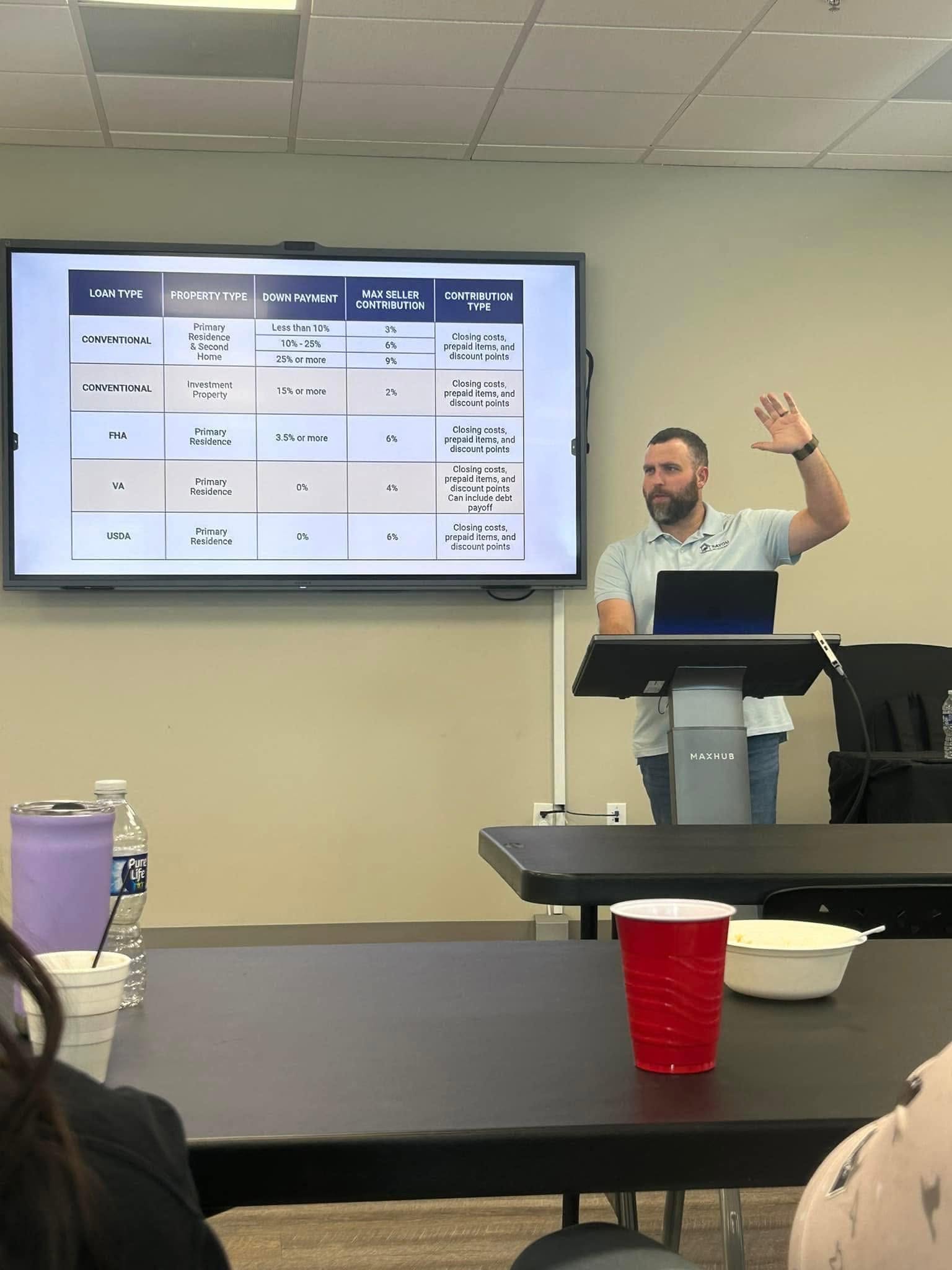
| Seller Help | Up to 6% | Up to 6% | Depends on down payment |
My take: don’t pick a loan by its name. Pick it by the payment and what it costs you over the years you’ll actually own the home. I’ll put the options in front of you and shop them across multiple lenders.
Handle these before you start touring homes.
Plug every house into USDA’s eligibility map before you tour it. One street can be in and the next one out.
Every working adult living with you counts toward the income limit, and USDA checks tax returns. Know your household number before you apply.
The seller can cover up to 6% of the price, more than closing costs usually run. Right now is one of the best times to ask.
Have 12 months of rent history, keep one month of payments in the bank after closing, and pay every bill on time. If it goes automated, even better.
Here’s exactly what happens after you reach out.
Tell us the price range you’re shopping, your credit range, and how much you have saved. We start with a soft credit check, so your score isn’t touched.
Start My Pre-ApprovalSend your pay stubs, W2s, and bank statements. We compare your loan options side by side and send a letter with your max price to hand your Realtor.
Start My Pre-ApprovalOnce you’re under contract, we order the appraisal, work with title, and take your file through underwriting to closing day.
Start My Pre-Approval



A USDA loan is a home loan guaranteed by the U.S. Department of Agriculture for homes in eligible rural and suburban areas. It allows $0 down for buyers whose household income is under the area limit, with lower mortgage insurance than FHA. It's for the home you live in.
No. Rural to USDA usually means areas with fewer than about 35,000 people, which includes many small towns and outer suburbs. You can buy a regular house, a town home, or a manufactured home. What you can't buy is an income producing farm.
The city of Lake Charles itself generally doesn't, but eligibility goes address by address, and many areas a short drive outside the city can. Extending your commute 15 to 30 minutes often opens up eligibility. Check the exact address on USDA's eligibility map or send it to me.
For most parishes, including Calcasieu, the 2026 limit is $122,800 for a household of 1 to 4 people and $162,100 for 5 to 8. It counts the income of every adult 18 or older living in the home, even if they aren't on the loan. You can deduct $480 per dependent, plus childcare and certain medical expenses, to get under the limit.
You generally need a 640 for an automated approval, and honestly most buyers under 680 to 700 end up with a manual underwrite. We have lenders that go down to 580 on a manual. A smart loan officer pre-approves you as a manual from the start so there are no surprises later.
Lower debt to income limits, usually around 41% total, or up to 44% with a 680 or higher score. You also need 12 months of rent history, at least one month of your mortgage payment left in reserves after closing, and typically no late payments in the last 12 months.
No down payment is required, but closing costs usually run 2 to 5% of the price. USDA lets the seller cover up to 6%, and if the home appraises for more than you pay, you can roll closing costs into the loan. A lot of our USDA buyers bring $1,000 or less, mostly for the appraisal and inspection.
A 1% upfront guarantee fee that's added to your loan, and an annual fee of 0.35% paid monthly, which is lower than FHA's 0.55%. The annual fee shrinks as your balance drops but stays until the loan is paid off or refinanced.
Yes, and most people don't know this. If your checking and savings could cover a 20% down payment plus closing costs, you may not qualify. Retirement accounts usually don't count unless you're of retirement age and can freely access them.
Not if they won't live there. USDA doesn't allow non-occupant co-borrowers, so everyone on the loan has to live in the home full time. In community property states like Louisiana, your spouse's debts also count even if they aren't on the loan.
After the lender approves the file, USDA reviews it before giving final approval, which can add anywhere from a day to about 10 days. We plan contracts for 30 to 45 days to be safe.
Yes. The USDA Streamline refinance needs no appraisal, and the Streamline Assist skips the credit check and income verification. Once you reach 20% equity, a conventional refinance can remove the USDA annual fee entirely.
USDA isn’t the right fit for everyone. These are the loans buyers most often compare it with.
Lower the rate on your USDA loan with no new appraisal.
Learn More Buy3.5% down with a 580 score. Built for buyers who need flexible credit and income rules.
Learn More Buy$0 down and no monthly mortgage insurance for veterans and service members.
Learn More BuyBest long term value for 680+ credit. PMI cancels at 20% equity, unlike FHA.
Learn More BuyEvery program that can get you into your first home, compared side by side.
Learn More RefinanceTap your home’s equity to consolidate debt, fund renovations, or cover big expenses.
Learn MoreFifteen minutes gets you a real number instead of a guess, and the soft credit check costs your score nothing.