
DSCR Loan vs Conventional Loan
Conventional loans qualify on your personal income. DSCR loans qualify on the property's income. For real estate investors, especially self-employed ones, the difference is significant. Here's how to choose.
DSCR Loan Comparison
The Core Difference: How You Qualify
The most fundamental difference between a DSCR loan and a conventional investment property loan is how the lender determines whether you can afford the mortgage. Conventional lenders look at your personal income, employment history, and debt-to-income ratio. DSCR lenders look at the property's rental income relative to the loan payment.
For a W-2 employee with straightforward income, conventional financing often offers better rates and terms. For self-employed investors, business owners, or anyone whose tax returns don't reflect their true financial picture, DSCR loans remove the biggest barrier to investment property financing.
| Factor | DSCR Loan | Conventional Investment Loan |
|---|---|---|
| Qualifying income | Property rental income | Personal W-2 / tax returns |
| Income docs required | Generally none | 2 yrs tax returns, W-2s, pay stubs |
| DTI calculation | Not used | Required, max ~45% |
| Min. credit score | 620+ varies by lender | 620 to 640+ (Fannie/Freddie) |
| Min. down payment | 20 to 25% | 15 to 25% (varies by program) |
| Interest rate | Typically 0.5 to 1.5% higher | Lower on average |
| LLC vesting | Available | Generally not allowed |
| Property count limit | No hard limit | Typically capped at 10 |
| Prepayment penalty | Common on lower-rate programs | Generally none |
| STR income accepted | Yes, on select programs | No |
| Close in 21 to 30 days | Yes | 30 to 45 days typical |
Which Is Right for You
Who Each Loan Type Is Best For
DSCR Loan Is Usually Better If...
- You're self-employed or a business ownerYour tax returns show less income than you actually earn. DSCR removes personal income from the equation entirely.
- You already have 10+ financed propertiesConventional loans are capped at 10 financed properties per borrower. DSCR has no hard portfolio limit.
- You want to close in an LLCConventional investment loans require personal name vesting. DSCR accommodates entity ownership.
- You're financing a short-term rentalConventional loans don't count STR income. DSCR programs do on select products.
- Your DTI is too high for conventionalDSCR doesn't use debt-to-income ratio as a qualifying metric, only the property's ratio matters.
Conventional May Be Better If...
- You have strong W-2 income and simple returnsIf you can easily document income conventionally and your DTI is clean, conventional rates are typically lower.
- You're buying your first investment propertyFirst-time investors with strong income profiles often get better rates through conventional channels.
- You want the lowest possible rateConventional Fannie/Freddie programs typically offer lower rates than DSCR, if you qualify.
- The property doesn't cash flow stronglyIf rent doesn't cover the mortgage, DSCR won't qualify. Conventional uses your personal income instead.
The Rate Tradeoff
How Much More Do DSCR Loans Cost?
DSCR loans typically carry interest rates 0.50 to 1.50% higher than conventional investment property loans. The spread varies based on your credit score, LTV, and the rate environment. Here's how that cost difference looks in real dollars on a $300,000 loan:
| Loan Type | Rate Example | Monthly P&I | Annual Cost | 10-Year Cost |
|---|---|---|---|---|
| Conventional | 7.25% | $2,046 | $24,552 | $245,520 |
| DSCR (+0.50%) | 7.75% | $2,148 | $25,776 | $257,760 |
| DSCR (+1.00%) | 8.25% | $2,253 | $27,036 | $270,360 |
| DSCR (+1.50%) | 8.75% | $2,360 | $28,320 | $283,200 |
The Rate Premium Is Often Worth It
For self-employed investors who can't qualify conventionally, the question isn't "is DSCR cheaper?", it's "can I get the deal done?" For investors who could qualify either way, the LLC flexibility, faster closing, and no income doc simplicity often justify the rate difference. The break-even depends on your specific scenario.
Want To Know What This Looks Like On Your Numbers?
Every scenario is different. A soft credit check tells you where you actually stand, and nothing hits your report until you decide to move forward.
Scaling Your Portfolio
DSCR vs Conventional for Portfolio Growth
One of the clearest advantages of DSCR over conventional for serious investors is the absence of a property count cap. Fannie Mae and Freddie Mac limit conventional financing to 10 financed properties per borrower. Once you hit that ceiling, conventional lending closes, and DSCR becomes the primary path forward.
Conventional Portfolio Limits
- 10 financed property capFannie Mae limits borrowers to 10 financed properties including primary residence. Once reached, no more conventional investment loans.
- DTI compounds with each propertyEvery new mortgage raises your DTI. Eventually personal income can't support additional conventional loans even below the 10-property cap.
- Personal name onlyConventional loans must be in your personal name, no LLC ownership, limiting asset protection and estate planning options.
DSCR Portfolio Scaling
- No hard property count limitEach DSCR loan is underwritten on its own property cash flow, your portfolio size doesn't count against you.
- DTI not a factorPersonal debt load doesn't affect DSCR qualification, each property stands on its own.
- Entity ownership supportedEach property can be held in its own LLC, creating clean liability separation across a growing portfolio.
Quick Reference
DSCR vs Conventional: Quick Reference
The most important differences at a glance for real estate investors deciding between loan types.
| Factor | DSCR Loan | Conventional |
|---|---|---|
| Best for | Self-employed, portfolio investors, LLC owners | W-2 borrowers, first investment property |
| Income docs | None required | 2 yrs tax returns + W-2s |
| Rate | 0.5 to 1.5% higher | Lower |
| Property limit | None | 10 financed max |
| LLC vesting | Yes | No |
| STR income | Yes, select programs | No |
| Close time | 21 to 30 days | 30 to 45 days |
Mortgages by Channing, Powered by NEXA Lending, NMLS #1660690. Equal Housing Lender.
Not Sure Which Loan Type Fits Your Deal?
Tell us about your property, income situation, and goals, we'll recommend the right approach and get you pre-qualified.
Common Questions
DSCR vs Conventional FAQ
The Application
Apply From Your Phone In Fifteen Minutes
No tax returns and no pay stubs. The application runs on your phone, and we qualify the property on the rent it brings in.
- Starts with a soft credit check, so your score is never touched
- No tax returns, the property qualifies on the rent it brings in
- Upload documents with your phone camera, no scanner needed
- You hear back from Channing, not from a call center queue
If the numbers say wait, I'll tell you that too, and then we make a plan to fix whatever is in the way.
Complete Your Application
Five short steps. Most people finish in about fifteen minutes.
- Tell us what you're looking for
- We check the property's rent
- Upload your documents
Your pre-approval letter is ready. I sent it to your email and to your agent.
Got your application. I'm reviewing it now and will call you this afternoon.
Real Closings
Real Clients.
Real Closings.
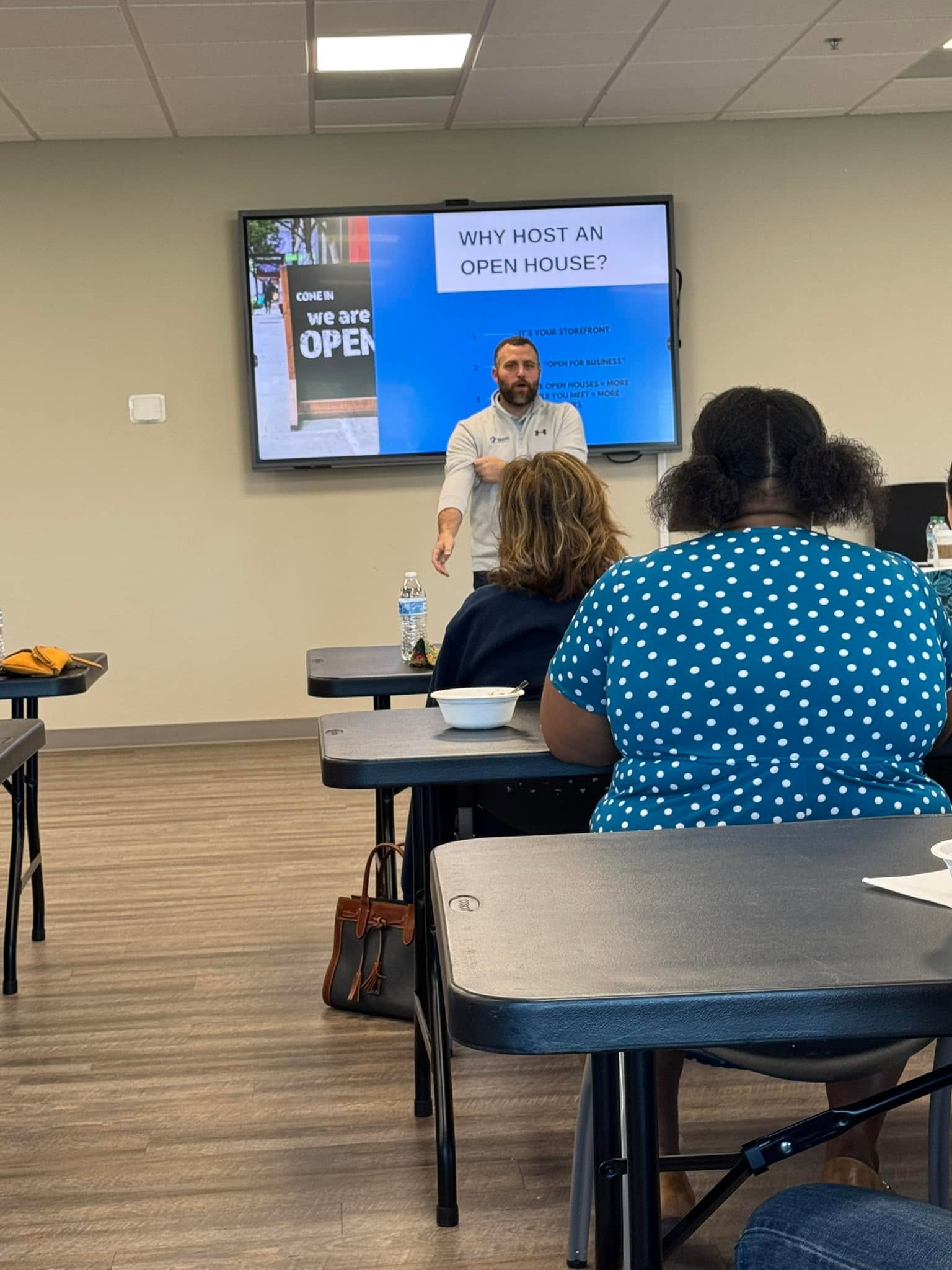
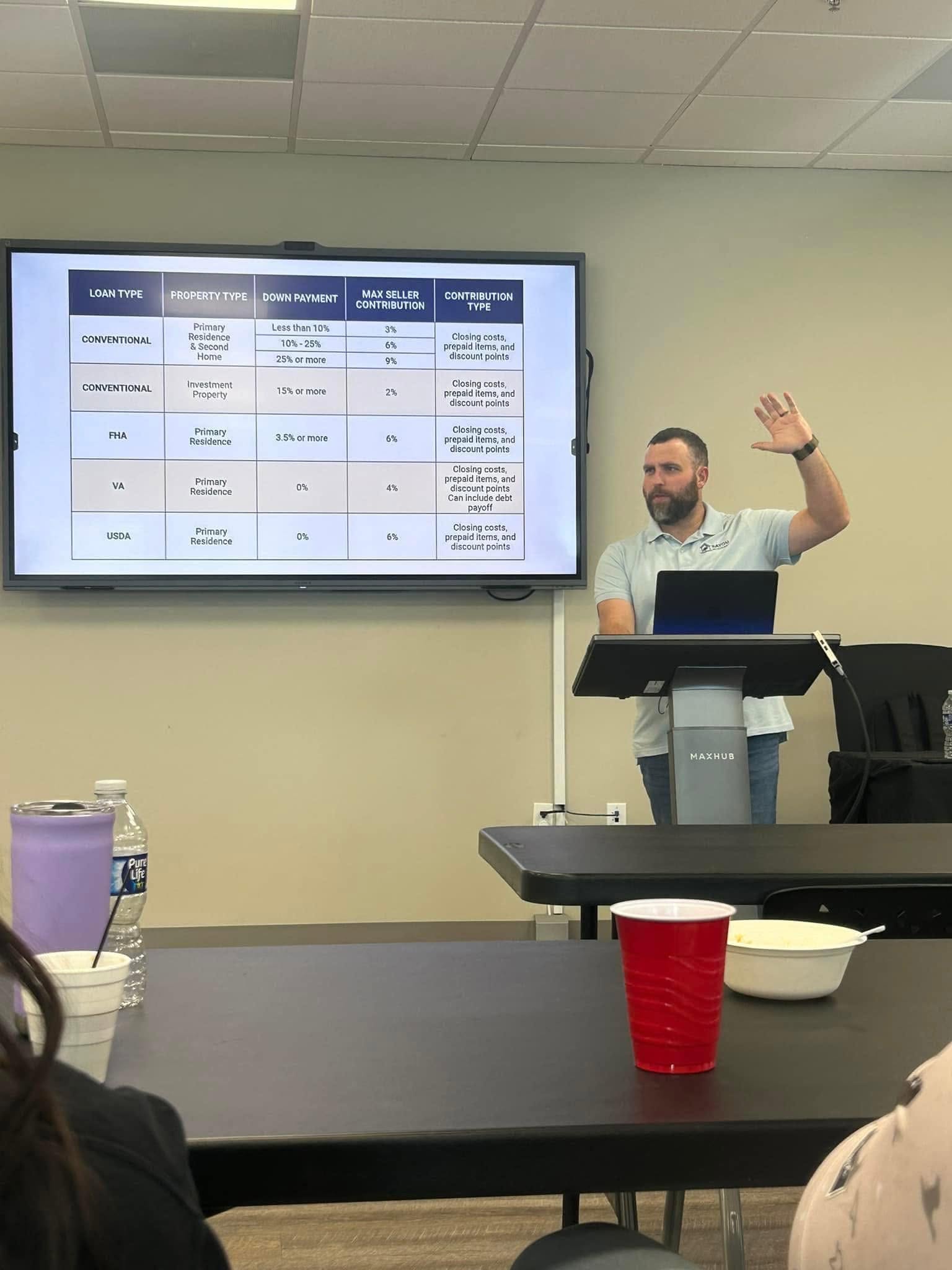
Real families we have helped get from pre-approval to keys in hand.




Find Out Where You
Actually Stand
A soft credit check tells you what you qualify for before anyone pulls hard credit. If the numbers say wait, I will tell you that too, and then we make a plan to fix whatever is in the way.
Get My DSCR NumbersMortgages by Channing · 337-476-2623 · Licensed across Louisiana · NMLS #1660690