“I need 20% down for a second home.”
10% Gets You In
Conventional second home loans start at 10% down. Under 20% you’ll pay PMI, but you don’t have to wait years to save 20%.

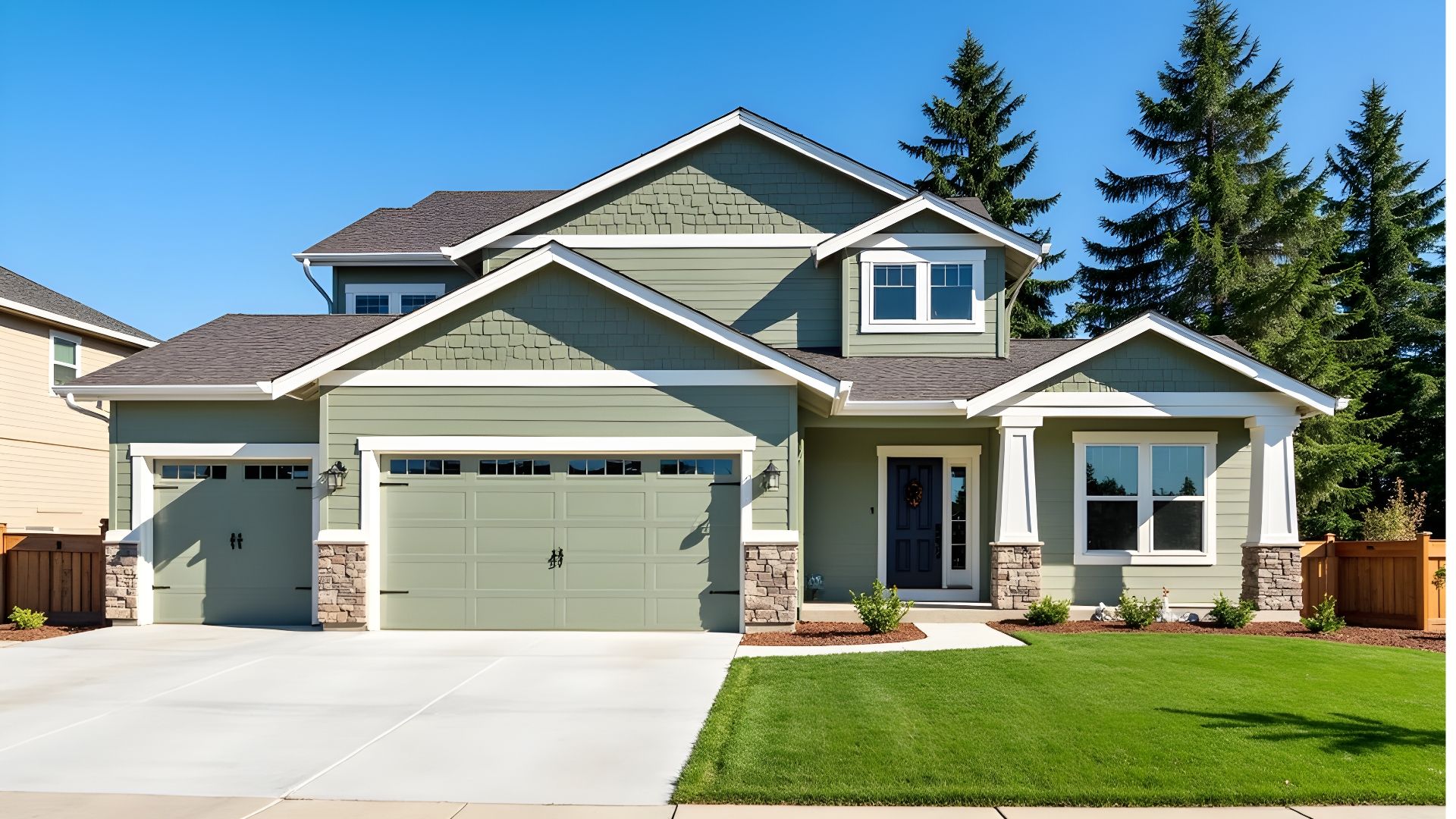
A second home doesn’t take 20% down. With 10% and the right setup, you can own the camp, the lake house, or the place closer to family, as long as it’s structured as a true second home and not a rental.
A second home loan is a mortgage for a one unit home you use yourself for part of the year, like a vacation home, while you keep your primary residence. Conventional second home loans start at 10% down, and rental income from the home can't be used to qualify.
Lenders treat second homes differently from rentals. To count as a second home, the property has to be a one unit home you can use year round, you have to keep control of it, and it can't be run as a rental through a management company. Because you're living in it part time, rates are usually better than investment property rates.
You'll need at least 10% down, along with good credit and enough income to qualify with both your current mortgage and the new one. Rental income from the second home can't be used to help you qualify.
A second home loan is the right fit when you're buying a place you'll actually use yourself: a camp, a lake or beach house, a place near family, or a home near where you work part of the year.
It makes sense when you want better pricing than an investment loan and you don't need the home's rent to qualify. You can still use the home as your own getaway and keep your primary home exactly where it is.
If the main plan is to rent it out, it's not a second home. That's an investment property, and it needs an investment loan or a DSCR loan instead. Calling a rental a second home to get a better rate is occupancy fraud, so we'll help you pick the loan that matches how you'll really use the property.
“I need 20% down for a second home.”
Conventional second home loans start at 10% down. Under 20% you’ll pay PMI, but you don’t have to wait years to save 20%.
“I can use the rent to help me qualify.”
Rental income can’t count toward qualifying for a second home. If you need the rent to make it work, it’s an investment property.
“If I ever rent it out, it’s an investment property.”
A true second home can be rented now and then, as long as you use it yourself, keep control of it, and don’t count the rent to qualify.
This is the decision that sets your down payment, your pricing, and whether rent counts. Getting it right up front matters.
Lenders follow Fannie Mae and Freddie Mac’s definition. The home has to check every one of these boxes.
A single family home, condo, or town home. Duplexes and other multi unit properties don’t qualify.
You have to occupy it yourself for some part of the year. It can’t be a full time rental.
It has to be suitable for year round use, even if you only stay there in certain seasons.
No timeshares, and no rental management agreement that controls when you can use it.
Your current housing payment and the new payment both count in your debt to income ratio, and rent from the second home can’t offset it.
620 minimum credit, and depending on your file, several months of payments left in reserve after closing.
Handle these before you start touring homes.
Know what it takes to carry your current home and the new one together before you fall in love with a property.
If renting is the real plan, finance it as an investment property from the start. Calling a rental a second home is occupancy fraud.
Savings, a gift, or equity from your current home through a HELOC or cash out refinance can all work.
Plan for reserves after closing. Spending every dollar on the down payment can hold up your approval.
Here’s exactly what happens after you reach out.
Tell us the price range you’re shopping, your credit range, and how much you have saved. We start with a soft credit check, so your score isn’t touched.
Start My Pre-ApprovalSend your pay stubs, W2s, and bank statements. We compare your loan options side by side and send a letter with your max price to hand your Realtor.
Start My Pre-ApprovalOnce you’re under contract, we order the appraisal, work with title, and take your file through underwriting to closing day.
Start My Pre-Approval






A second home loan is a mortgage for a one unit home you use yourself for part of the year, like a vacation home, while you keep your primary residence. Conventional second home loans start at 10% down, and rental income from the home can't be used to qualify.
At least 10% on a conventional loan. Under 20% down you'll pay private mortgage insurance, and putting more down usually improves your pricing.
The conventional minimum is 620, but second homes are priced higher than primary homes, so a stronger score makes a bigger difference here.
Occasionally, yes. But the rent can't be used to help you qualify, the home has to be one you actually use, and it can't be under a rental management arrangement that controls your use of it. If renting it is the main plan, it's an investment property, and a DSCR or investment property loan is the right fit.
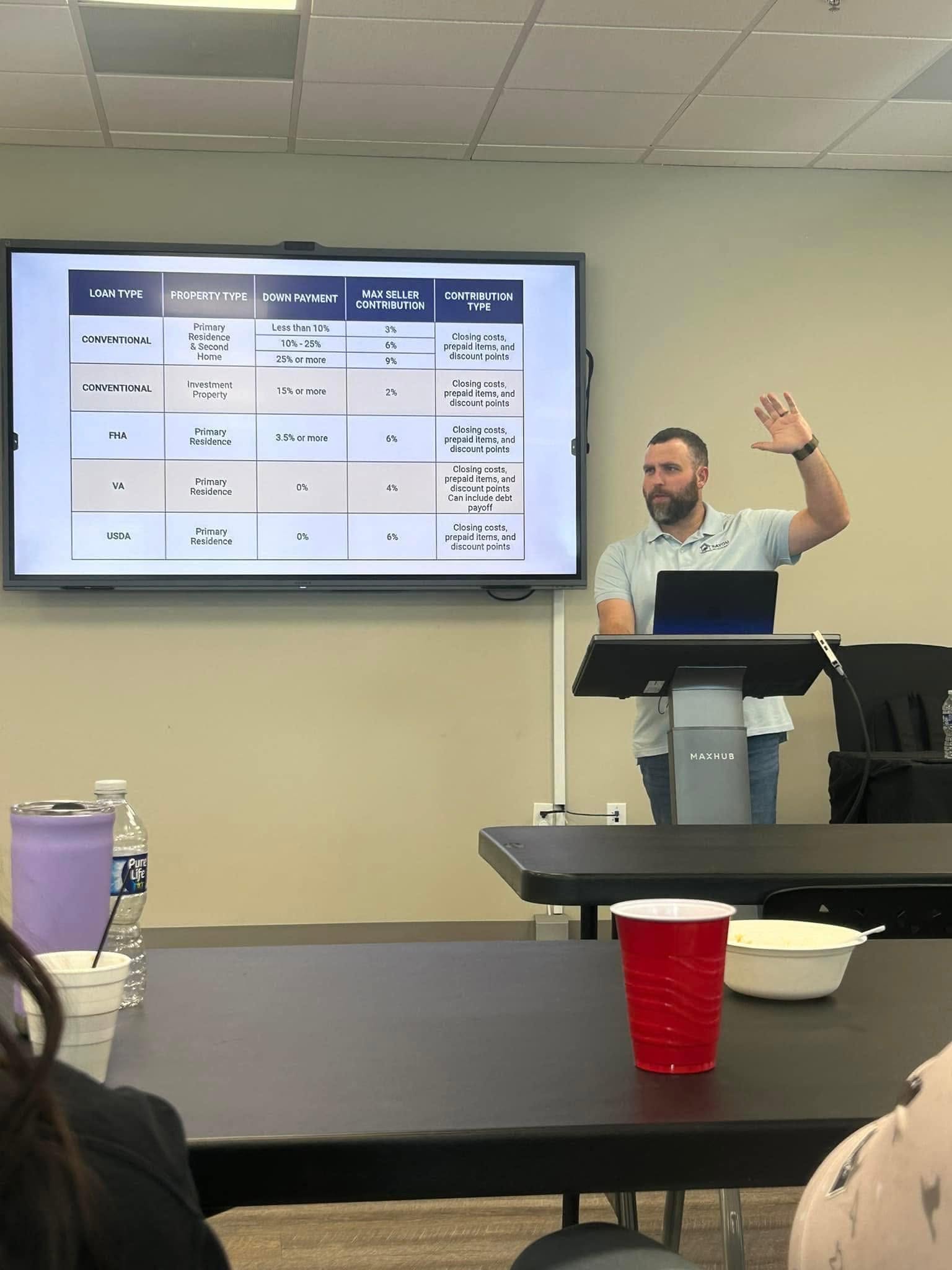
A second home is a one unit home you use yourself for part of the year and keep control of. An investment property is bought to rent out. Investment properties need more down, usually 15 to 25%, and carry higher pricing, but rental income can count toward qualifying.
Yes. Your current housing payment and the new second home payment both count in your debt to income ratio, along with your other debts.
No. Those programs are for the home you live in. Second homes are financed with conventional loans, or a jumbo loan above the $832,750 conforming limit.
Often, yes. Depending on your file, the underwriting system may require several months of mortgage payments left in your accounts after closing.
Often, yes. A HELOC or a cash out refinance on your primary home can fund the down payment on a second home, as long as you qualify for the new payment on the primary.
No. A second home has to be a one unit property. A multi unit property you don't live in is an investment property.
If you plan to rent it or need more room on price, these are the loans to look at.
Buying to rent? Qualify on the rent the property collects, not your personal income.
Learn More BuyThe loan behind most second homes, with PMI that cancels at 20% equity.
Learn More BuyFor second homes priced above the $832,750 conforming limit.
Learn More EquityTap your primary home’s equity to fund the down payment.
Learn More RefinancePull cash from your current home to put toward the next one.
Learn More BuyCompare every purchase loan side by side.
Learn MoreFifteen minutes gets you a real number instead of a guess, and the soft credit check costs your score nothing.
Real Closings
Real families we have helped get from pre-approval to keys in hand.


Pick one and I'll match you to the right loan, the real numbers, and the next step. Takes about 60 seconds — no credit pull, no obligation.