
USDA New Construction Loan:
Build Your Home With Zero Down
USDA finances brand-new homes, not just existing properties. Whether you choose a single-close construction-to-permanent loan or the traditional two-close approach, you can build on your own lot with zero down payment.
Build With USDA
USDA Finances New Construction, Here Is How
USDA does not limit you to existing homes on the resale market. The Guaranteed loan program allows financing for newly constructed properties, including the land purchase, construction costs, and permanent mortgage, all under a single USDA-backed loan with zero down payment.
There are two primary structures for USDA new construction: a single-close loan that wraps everything into one transaction, and a two-close approach where the construction loan and permanent mortgage are separate. Each has advantages depending on your builder, timeline, and risk tolerance. The property must sit in a USDA-eligible area and you must meet the same income and credit requirements as any USDA purchase.
Spec homes and builder inventory qualify too
You do not have to manage a custom build from scratch. If a builder has a new home already under construction or recently completed that has never been occupied, it qualifies as new construction under USDA guidelines. This is often the simplest path, you get a brand-new home without the complexity of managing draws and inspections yourself.
Loan Structure
Single-Close vs. Two-Close: Which Is Right?
The biggest decision in USDA new construction is how you structure the financing. Both options result in the same end product, a USDA-guaranteed permanent mortgage, but the journey differs significantly.
Single-Close (One-Time Close)
- One application, one closing, one set of feesYou close before construction begins. The loan converts automatically from construction to permanent when the home is finished.
- Rate locked at closingYour permanent mortgage rate is set before the first nail is driven. No interest rate risk during the build period.
- Interest-only payments during constructionYou pay interest only on the disbursed amount during the build. Full principal and interest payments begin after completion.
- Fewer lenders offer thisSingle-close USDA construction loans require specialized underwriting. Not all USDA-approved lenders provide this product.
Two-Close (Construction + Permanent)
- More builder flexibilityThe construction loan can come from any lender. The USDA permanent loan closes separately once the home is complete.
- Wider lender availabilityMore lenders offer two-close because the USDA portion is a standard purchase loan on a completed new home.
- Two sets of closing costsYou pay closing costs on the construction loan and again on the permanent USDA loan, roughly doubling your fees.
- Rate risk during constructionYour permanent mortgage rate is not locked until the home is finished. If rates rise during the 6 to 12 month build, your payment increases.
Head to Head
Single-Close vs. Two-Close Comparison
| Factor | Single-Close | Two-Close |
|---|---|---|
| Number of Closings | 1 | 2 |
| Rate Lock | Before build starts | After build completes |
| Closing Costs | One set | Two sets |
| Builder Flexibility | Must meet lender criteria | More options |
| Lender Availability | Limited | Widely available |
| Down Payment | $0 | $0 (USDA portion) |
Two-close construction loans may require a down payment during the build phase, refunded at permanent closing. Mortgages by Channing · NMLS #1660690.
The Build
USDA New Construction Process, Start to Finish
Whether you choose single-close or two-close, the construction process follows a predictable sequence. Understanding each phase helps you anticipate timelines and avoid delays.
Pre-Qualification & Builder Selection
Get pre-approved for the total project cost (land + construction). Select a builder who meets USDA and lender requirements. Finalize floor plans, specifications, and a detailed cost breakdown. See USDA qualification requirements
Appraisal on Plans & Specs
An appraiser evaluates the proposed home based on blueprints, specifications, and comparable properties in the area. The appraised value must support the total loan amount. This appraisal happens before construction begins.
Loan Approval & Initial Closing
The lender underwrites the file, USDA issues the conditional commitment, and you close. For single-close, this is your only closing. For two-close, this is the construction loan closing, the USDA permanent loan closes later.
Construction Phase & Draw Schedule
The builder begins work. Funds are released in stages (draws) as construction milestones are reached, typically foundation, framing, mechanical, drywall, and final. Inspections verify progress before each draw is disbursed.
Final Inspection & Conversion
A final inspection confirms the home was built to spec. Certificate of occupancy is issued. For single-close, the loan automatically converts to permanent status. For two-close, a second closing occurs with your USDA permanent mortgage.
Want To Know What This Looks Like On Your Numbers?
Every scenario is different. A soft credit check tells you where you actually stand, and nothing hits your report until you decide to move forward.
Builder Criteria
Builder Requirements for USDA Construction
Not every contractor qualifies to build a USDA-financed home. The lender and USDA both have requirements that your builder must satisfy before construction can begin. Choosing the right builder early prevents delays mid-process.
Builder Must Provide
- Valid general contractor licenseActive and in good standing with your state licensing board. Expired or suspended licenses are an immediate disqualifier.
- Liability insurance and worker's compDocumentation of current coverage. The lender needs certificates of insurance naming relevant parties.
- Detailed construction contractFixed-price or cost-plus contract with complete specifications, allowances, and timeline. Vague estimates are not acceptable.
- Track record of completed projectsMost lenders require evidence of at least 2 to 3 similar completed homes. References and project photos may be requested.
What Disqualifies a Builder
- Owner acting as general contractorUSDA does not allow the borrower to serve as their own general contractor on new construction loans. A licensed third-party builder is required.
- Unresolved complaints or lawsuitsActive legal disputes or a pattern of consumer complaints may cause the lender to reject the builder regardless of licensing status.
- Financial instabilityIf the builder has recent bankruptcies, tax liens, or a history of abandoned projects, the lender will not approve the construction risk.
Site Requirements
Property and Site Rules for USDA Construction
The land where you build must meet USDA standards beyond just the eligibility map. Environmental, zoning, and structural requirements apply to the construction site and the finished home.
Site and Property Standards
- USDA-eligible locationThe lot must be within the USDA eligibility boundary. Verify before purchasing land or signing a contract. Check eligibility
- Adequate water and sewagePublic utilities preferred. Well water and septic systems are acceptable but must meet state health department standards and require testing.
- Proper zoning for residential useThe lot must be zoned for single-family residential. Mixed-use or agricultural zoning may require a variance or reclassification.
- Environmental clearanceUSDA requires environmental review of the site. Flood zones, wetlands, and proximity to hazardous materials are all evaluated.
- Home must be modest, adequate, not luxuryUSDA does not finance luxury features, pools, outbuildings designed for income production, or homes significantly exceeding area norms in size or amenities.
Flood zone considerations
Building in a FEMA-designated flood zone is not automatically prohibited, but it adds requirements and costs. Flood insurance will be mandatory and may be expensive. Elevation certificates, engineered foundations, and additional environmental reviews are typically required. Factor these costs into your total budget before committing to a flood-zone lot.
Financial Details
Construction Costs, Draws, and Budget Management
Managing a construction budget is fundamentally different from buying an existing home. Funds are released incrementally, change orders can shift the total, and contingency planning is essential. Here is how the financial side works.
How Construction Draws Work
- 1Builder reaches a construction milestoneFoundation poured, framing complete, mechanical systems installed, etc. Each phase is defined in the draw schedule attached to your construction contract.
- 2Inspector verifies the workAn independent inspector (not the builder) confirms the milestone is complete and the work meets standards. This protects you from paying for incomplete work.
- 3Lender disburses the drawThe funds for that phase are released directly to the builder. You pay interest only on the amount disbursed so far, not the entire loan balance.
- 4Process repeats until completionTypically 4 to 6 draws over 6 to 12 months. The final draw includes a holdback released only after the certificate of occupancy is issued.
Build in a contingency buffer
Material costs, weather delays, and design changes can push your construction budget above the original estimate. Most lenders recommend building a 5 to 10% contingency into the total loan amount. This buffer prevents the project from stalling if unexpected costs arise. If unused, the contingency reduces your final loan balance.
Want to Build With USDA?
Mortgages by Channing offers single-close USDA construction loans. Tell us about your lot and builder and we will structure the financing, zero down, one closing, locked rate.
Common Questions
USDA New Construction FAQ
Frequently asked questions about building a new home with USDA financing.
The Application
Apply From Your Phone In Fifteen Minutes
The whole USDA application runs on your phone. Snap photos of your documents, connect your bank, and you're done. It reaches me the minute you submit it.
- Starts with a soft credit check, so your score is never touched
- We check the property address against the USDA map for you
- Upload documents with your phone camera, no scanner needed
- You hear back from Channing, not from a call center queue
If the numbers say wait, I'll tell you that too, and then we make a plan to fix whatever is in the way.
Complete Your Application
Five short steps. Most people finish in about fifteen minutes.
- Tell us what you're looking for
- We check USDA eligibility
- Upload your documents
Your pre-approval letter is ready. I sent it to your email and to your agent.
Got your application. I'm reviewing it now and will call you this afternoon.
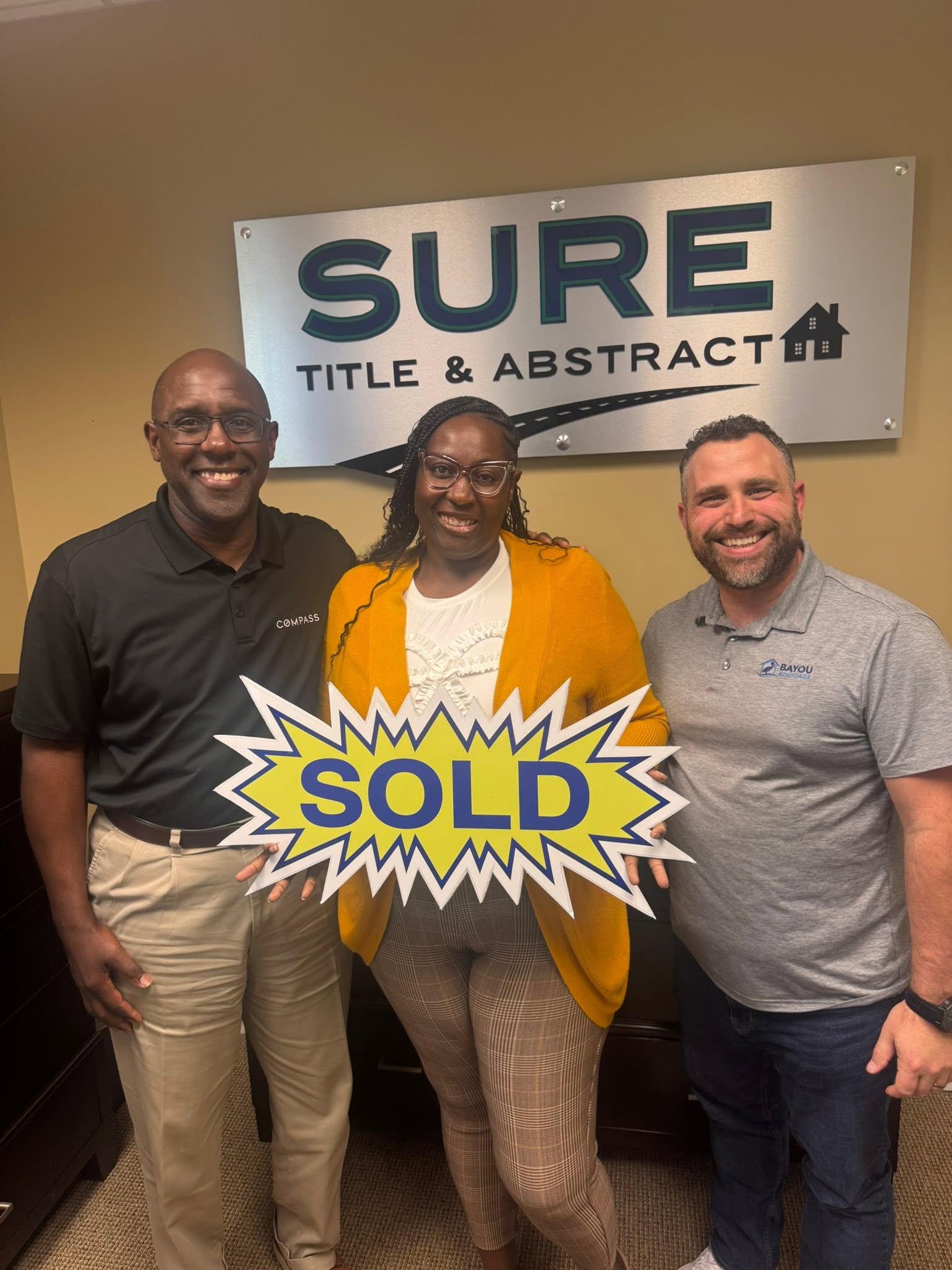
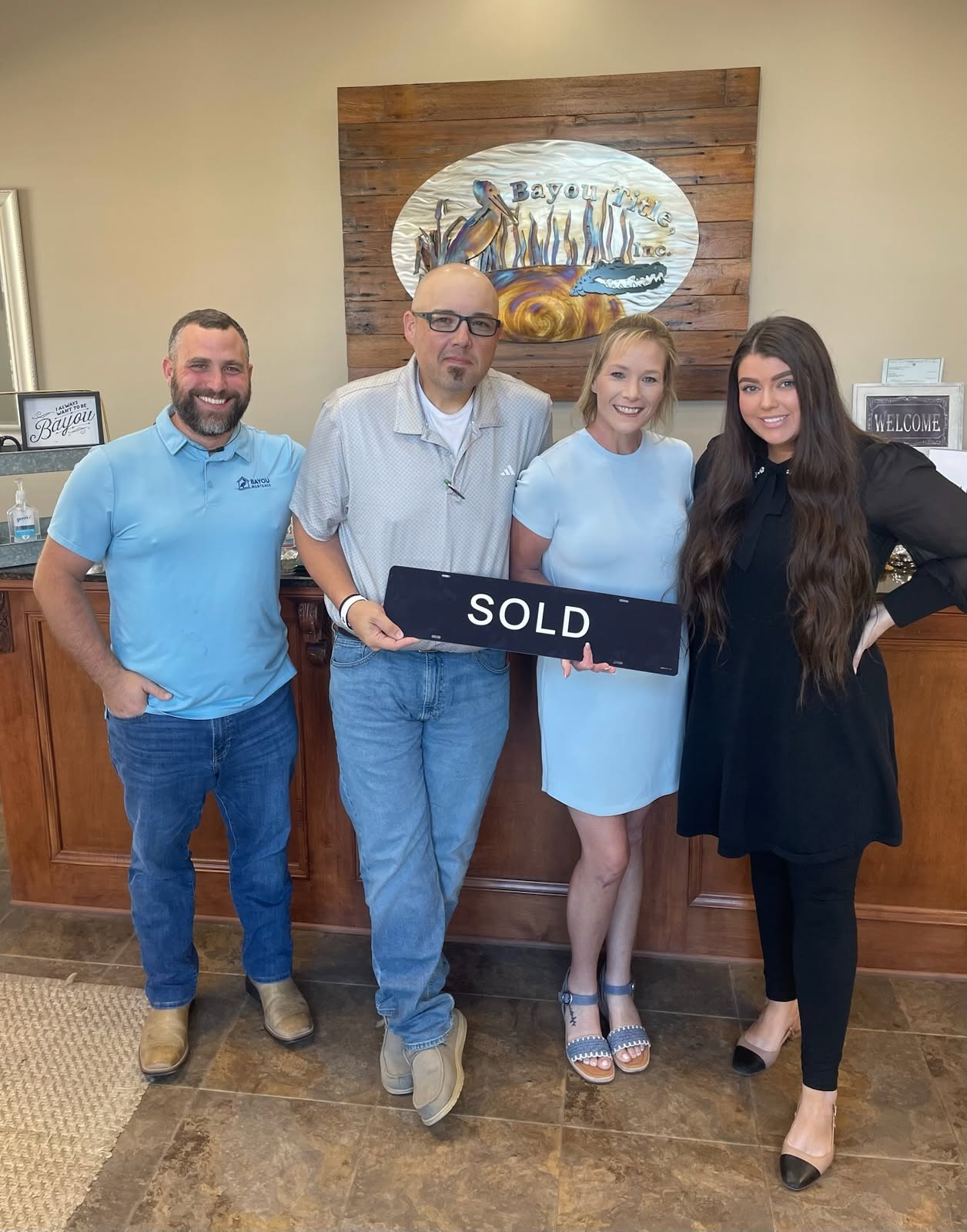
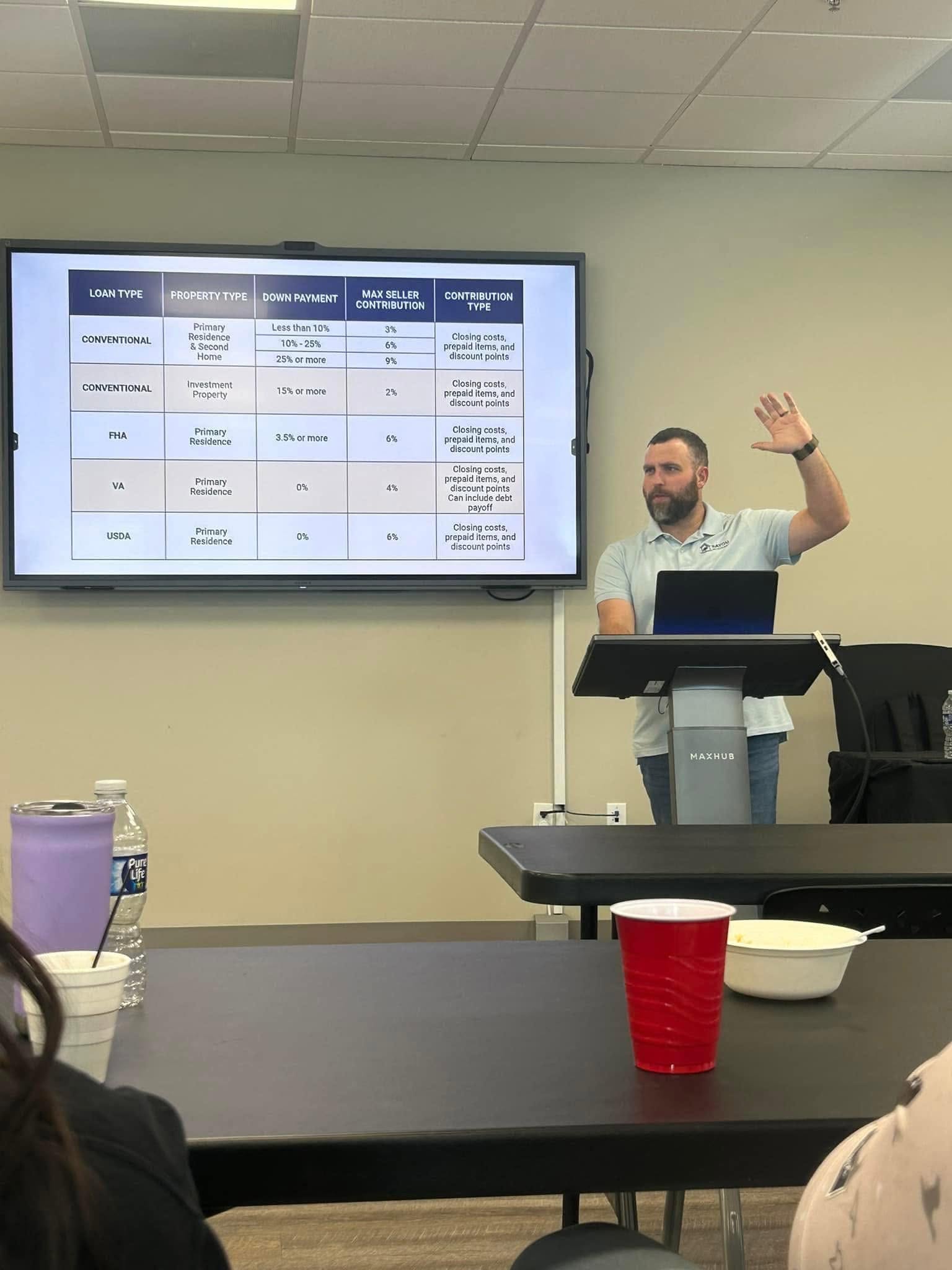
Real Closings
Real Clients.
Real Closings.
Real families we have helped get from pre-approval to keys in hand.


Find Out Where You
Actually Stand
A soft credit check tells you what you qualify for before anyone pulls hard credit. If the numbers say wait, I will tell you that too, and then we make a plan to fix whatever is in the way.
Check My AddressMortgages by Channing · 337-476-2623 · Licensed across Louisiana · NMLS #1660690