
VA Purchase Loan:
The Complete Home Buying Guide
Buying a home with a VA loan is the most powerful mortgage path available to veterans. Zero down, no mortgage insurance, and competitive rates, here is every step from pre-approval to keys in hand.
The Big Picture
Why VA Purchase Loans Stand Apart
A VA purchase loan allows eligible veterans, active duty service members, and qualifying surviving spouses to buy a primary residence with no down payment, no monthly mortgage insurance, and interest rates that consistently beat conventional alternatives. The VA guaranty removes the lender's risk, which translates directly into better terms for you as the borrower.
The purchase process follows the same general structure as any mortgage, pre-approval, house hunting, offer, underwriting, and closing, but VA loans introduce unique elements like the VA appraisal, Minimum Property Requirements, and specific rules around seller concessions. Understanding these differences prevents surprises and strengthens your position as a buyer.
The Process
VA Purchase Loan Steps
The VA home buying process follows a defined sequence. Each step builds on the previous one, and understanding what happens at each stage removes uncertainty and keeps your transaction on track. Here is the complete walkthrough from your first call to picking up the keys.
| Step | Action | What Happens |
|---|---|---|
| 1 | Get pre-approved | Lender pulls your COE, reviews credit/income, and issues a pre-approval letter |
| 2 | Find a home | Shop with your agent knowing your exact budget and VA-specific requirements |
| 3 | Make an offer | Submit purchase agreement, can include VA escape clause and seller concession requests |
| 4 | VA appraisal ordered | VA assigns an independent appraiser to assess value and verify MPR compliance |
| 5 | Underwriting | Full file review, income docs, assets, credit, appraisal report all verified |
| 6 | Clear to close | All conditions satisfied, closing disclosure issued, you review final numbers |
| 7 | Closing day | Sign final documents, funding fee is paid or financed, and you receive the keys |
Appraisal
The VA Appraisal & Minimum Property Requirements
Every VA purchase requires a VA appraisal conducted by a VA-assigned appraiser. This serves two purposes: establishing the home's fair market value and confirming the property meets VA Minimum Property Requirements (MPRs). The appraisal protects you as the buyer, ensuring you do not overpay and that the home is safe, structurally sound, and habitable.
What the VA Appraiser Checks
- Fair market value assessmentCompares your property to recent comparable sales to establish an independent value opinion.
- Structural soundnessFoundation, walls, and roof must be in serviceable condition without major defects.
- Functioning mechanical systemsHeating, electrical, plumbing, and water heater must all operate properly.
- Adequate roof lifeThe roof must have sufficient remaining useful life, typically a minimum of two years.
- Safe access and egressThe property must have safe entry/exit points and be free from environmental hazards.
Common MPR Issues
- Peeling paint on pre-1978 homesLead paint concern, must be scraped and repainted before closing.
- Missing handrails on stairs or decksSafety hazard that must be corrected before the appraisal clears.
- Standing water in crawl spaceIndicates drainage issues, must be resolved to meet habitability standards.
- Pest damage or active infestationWood-destroying insects require treatment and a clearance letter.
MPR issues are typically the seller's responsibility to repair. Your purchase contract should address who pays for required corrections. See all VA property requirements
The VA escape clause protects your deposit
Every VA purchase contract must include (or is deemed to include) a clause stating you are not obligated to complete the purchase if the appraised value comes in below the contract price. This protects you from overpaying. If the appraisal is low, you can renegotiate the price, bring cash to cover the gap, or walk away with your earnest money deposit intact.
Want To Know What This Looks Like On Your Numbers?
Every scenario is different. A soft credit check tells you where you actually stand, and nothing hits your report until you decide to move forward.
Concessions
Seller Concessions on VA Loans
VA loans allow sellers to contribute up to 4% of the purchase price toward the buyer's closing costs and prepaid items. This is one of the most valuable negotiating tools in the VA buyer's arsenal, it can reduce or eliminate the cash you need at closing beyond what the zero-down benefit already provides.
What Seller Concessions Can Cover
- VA funding feeThe seller can pay all or part of the funding fee within the 4% limit.
- Prepaid taxes and insuranceProperty tax escrow, homeowners insurance, and prepaid interest.
- Discount points to buy down your rateThe seller can pay points to lower your interest rate, a powerful long-term savings tool.
- Title and recording feesClosing costs charged by the title company and local government.
Strategy for VA Buyers
The 4% concession limit is generous, on a $300,000 purchase, that is $12,000 the seller can contribute toward your costs. Combined with zero down payment, this means a VA buyer can potentially close on a home with very little cash out of pocket.
In competitive markets, offering a slightly higher purchase price in exchange for seller concessions keeps your offer attractive while reducing your upfront cash. Mortgages by Channing helps structure these offers to maximize your benefit.
Seller Perspective
What Sellers Need to Know About VA Offers
Some sellers hesitate to accept VA offers based on outdated perceptions. The reality is that VA loans close at comparable rates to conventional loans, and VA buyers are often among the most qualified and motivated purchasers in any market. Understanding the facts helps both buyers and their agents present stronger offers.
VA Myths vs. Reality
- Myth: VA loans always take longer to closeReality: VA closings typically take 30 to 45 days, the same as conventional. Processing times depend on the lender, not the loan type.
- Myth: The seller must pay the buyer's closing costsReality: Seller concessions are negotiated, not required. The seller only pays what they agree to in the purchase contract.
- Myth: The VA appraisal always kills dealsReality: The vast majority of VA appraisals clear without issues. MPR corrections are usually minor and inexpensive.
Why VA Buyers Are Strong Buyers
VA borrowers go through a thorough pre-approval process that includes credit review, income verification, and COE confirmation. A VA pre-approval from a reputable lender like Mortgages by Channing signals a serious, financially vetted buyer.
Additionally, VA loans have historically lower default rates than both FHA and conventional mortgages, meaning the VA buyer in front of you is statistically less likely to have financing fall through.
Costs
VA Purchase Closing Costs
While VA loans eliminate the down payment and mortgage insurance, there are still closing costs to account for. VA rules restrict certain fees, called non-allowable charges, from being charged to the veteran buyer. Understanding which costs you will pay and which you can negotiate away is essential to minimizing your out-of-pocket expense.
| Cost | Typical Range | Who Pays |
|---|---|---|
| VA Funding Fee | 2.15% (first use, zero down) | Buyer (can be financed or seller-paid) |
| VA Appraisal Fee | $500 to $1,000 | Buyer |
| Title Insurance & Search | $800 to $2,000 | Varies by negotiation |
| Origination Fee | Up to 1% of loan amount | Buyer |
| Prepaid Escrows | $1,500 to $4,000 | Buyer (can be covered by seller concessions) |
Non-allowable charges protect VA buyers
VA rules prohibit certain fees from being charged to the veteran, including attorney fees charged by the lender, underwriting fees as separate line items, and some administrative charges. These costs must be absorbed by the lender or covered within the origination fee. This is another layer of protection unique to VA financing. Compare VA costs to conventional
Want To Know What This Looks Like On Your Numbers?
Every scenario is different. A soft credit check tells you where you actually stand, and nothing hits your report until you decide to move forward.
Common Questions
VA Purchase Loan FAQ
Frequently asked questions about buying a home with a VA loan.
Start Your VA Purchase Today
Mortgages by Channing gets you pre-approved, pulls your COE, and guides you through every step of the VA home buying process.
The Application
Apply From Your Phone In Fifteen Minutes
Most veterans put this off because they picture a folder of paperwork and a week of silence. The whole VA application runs on your phone, and it reaches me the minute you submit it.
- Starts with a soft credit check, so your score is never touched
- We pull your Certificate of Eligibility, you don't chase it down
- Upload documents with your phone camera, no scanner needed
- You hear back from Channing, not from a call center queue
If the numbers say wait, I'll tell you that too, and then we make a plan to fix whatever is in the way.
Complete Your Application
Five short steps. Most people finish in about fifteen minutes.
- Tell us what you're looking for
- We request your COE
- Upload your documents
Your pre-approval letter is ready. I sent it to your email and to your agent.
Got your application. I'm reviewing it now and will call you this afternoon.
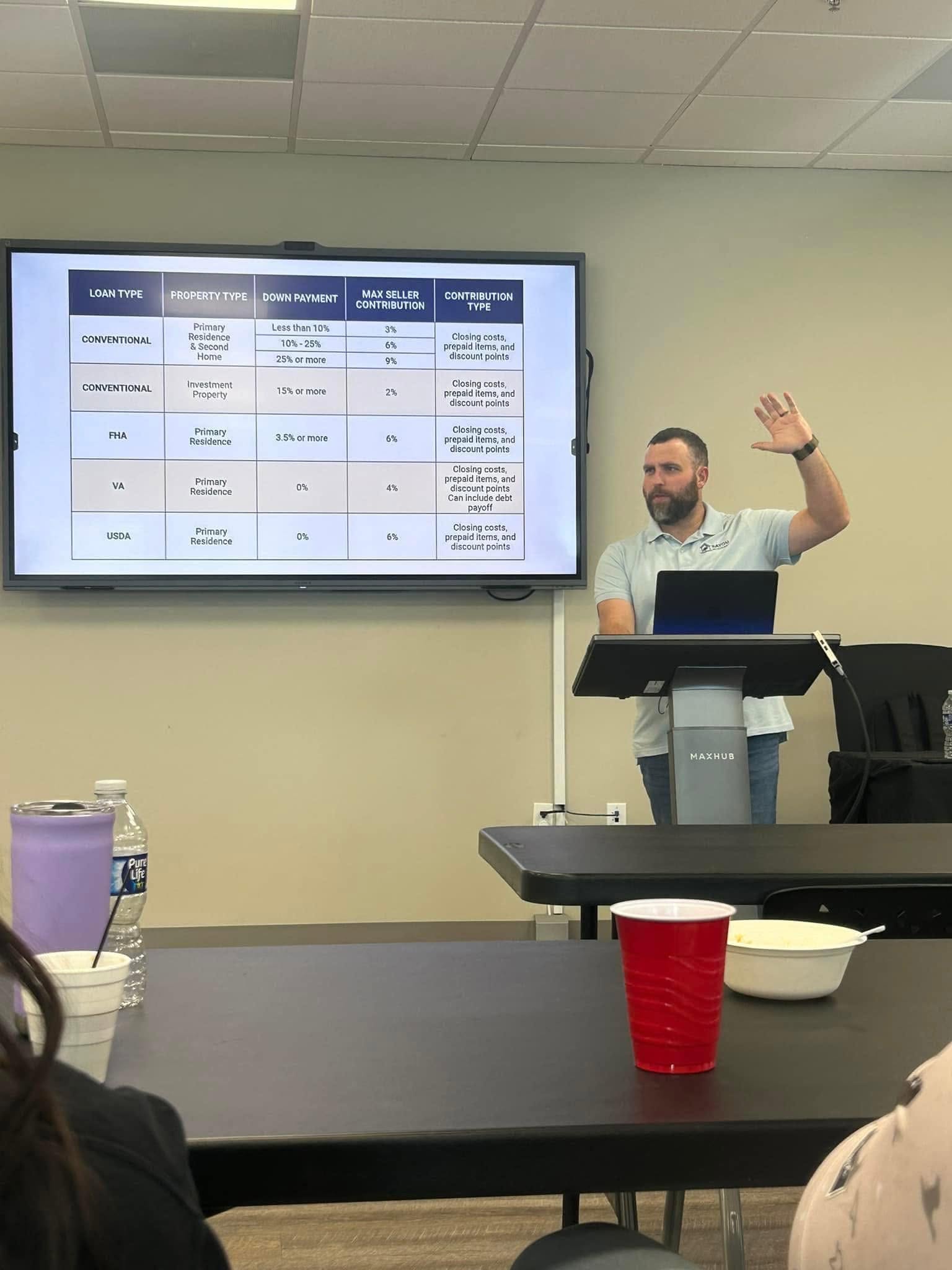
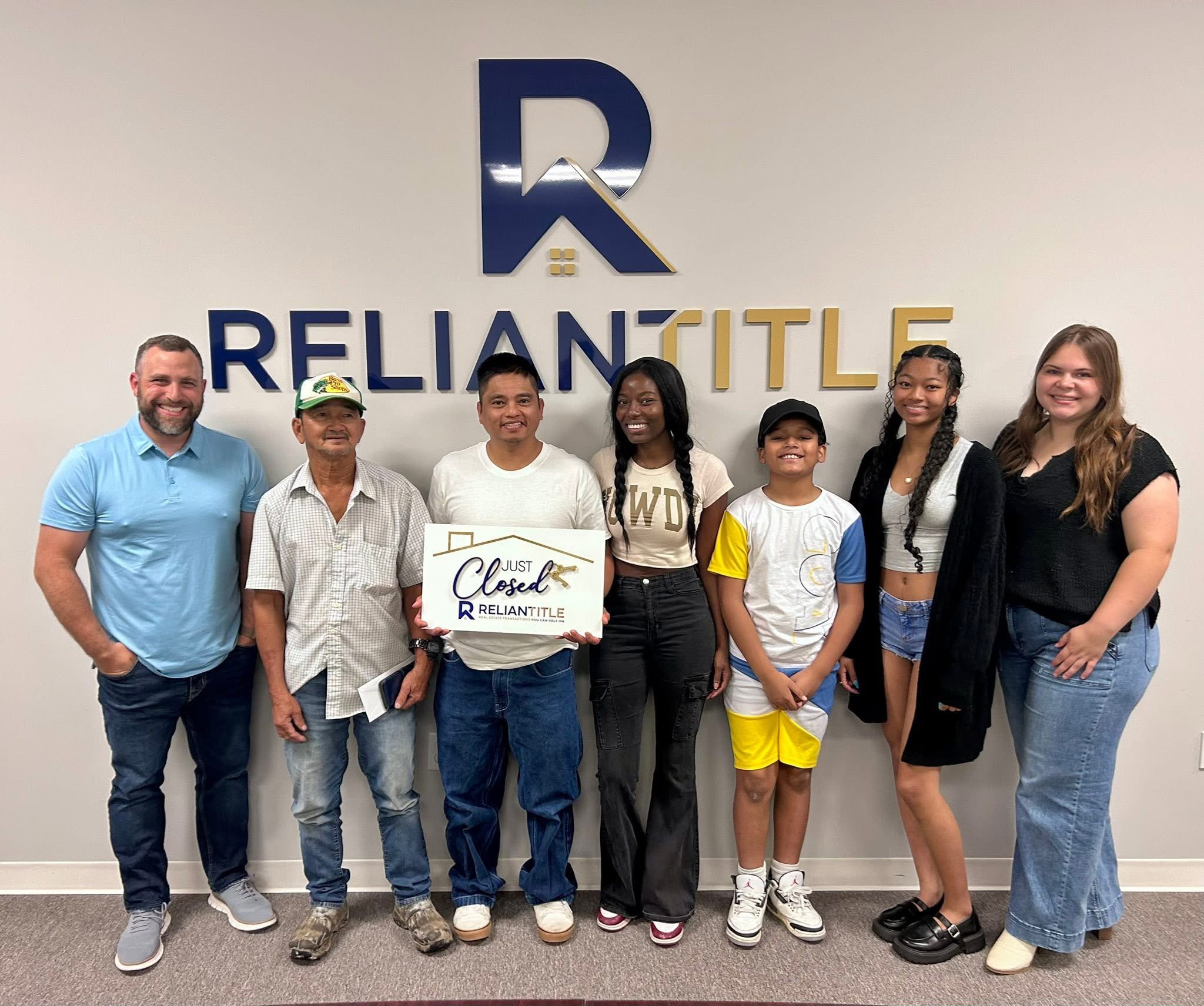
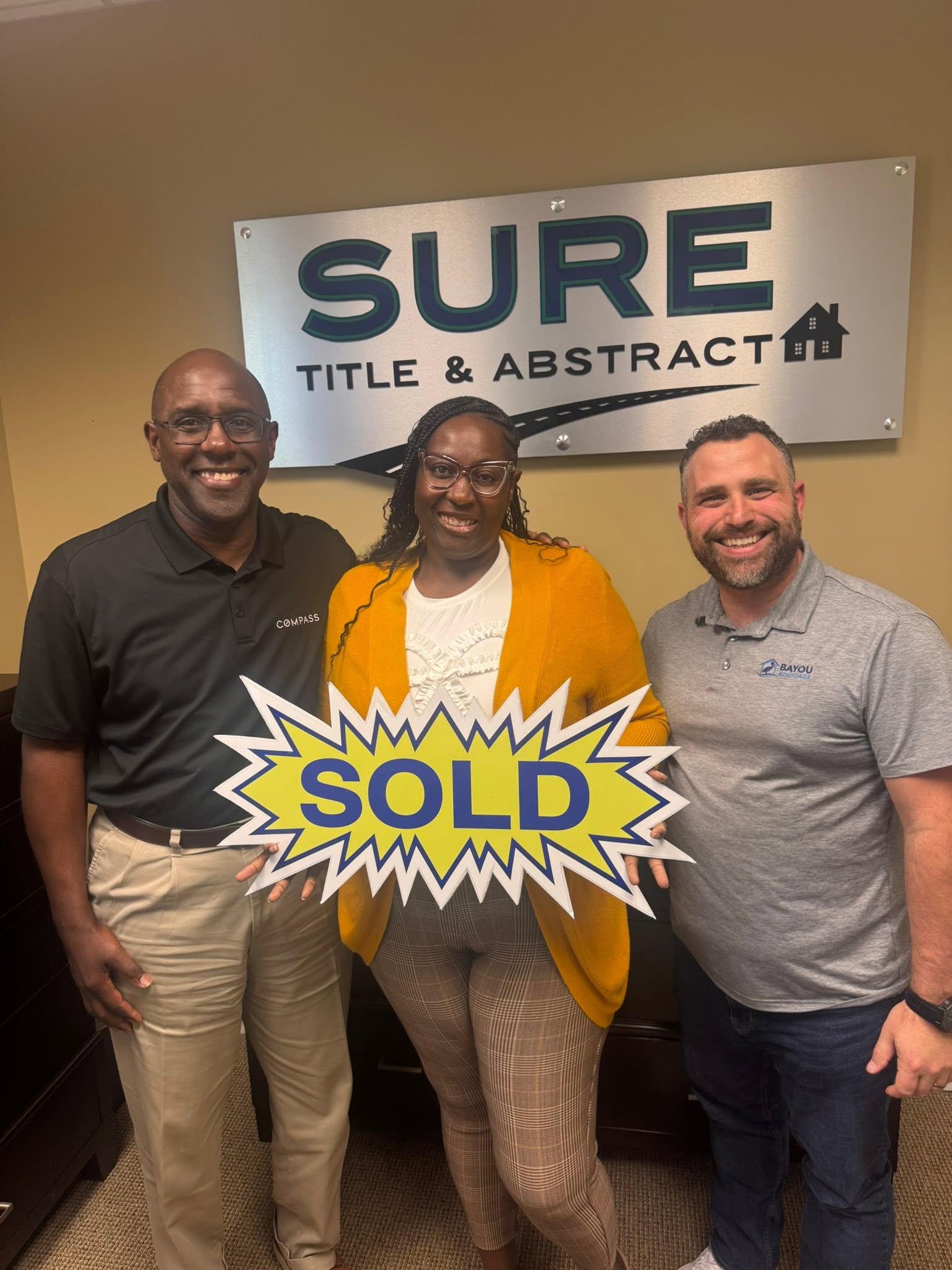
Real Closings
Real Clients.
Real Closings.
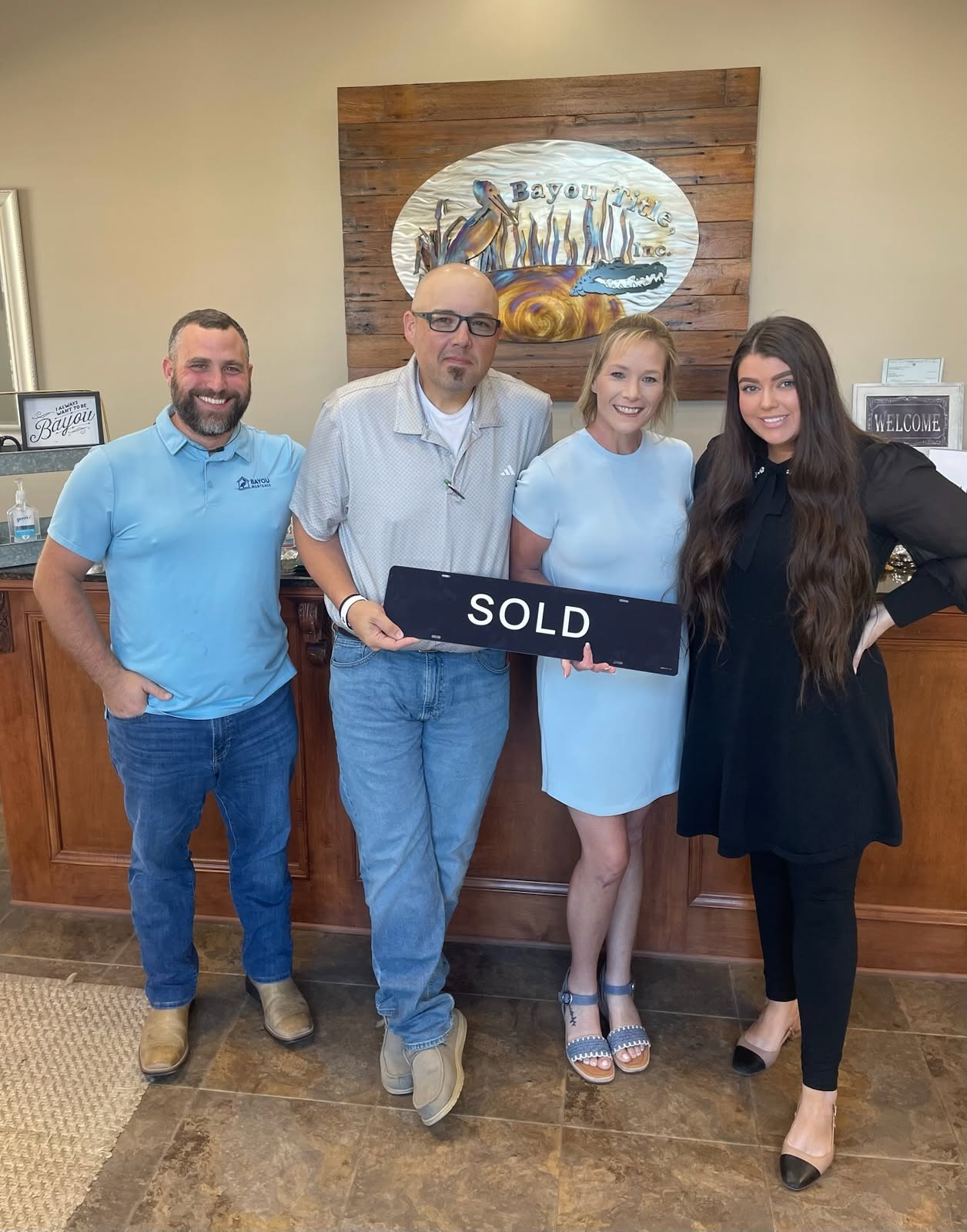
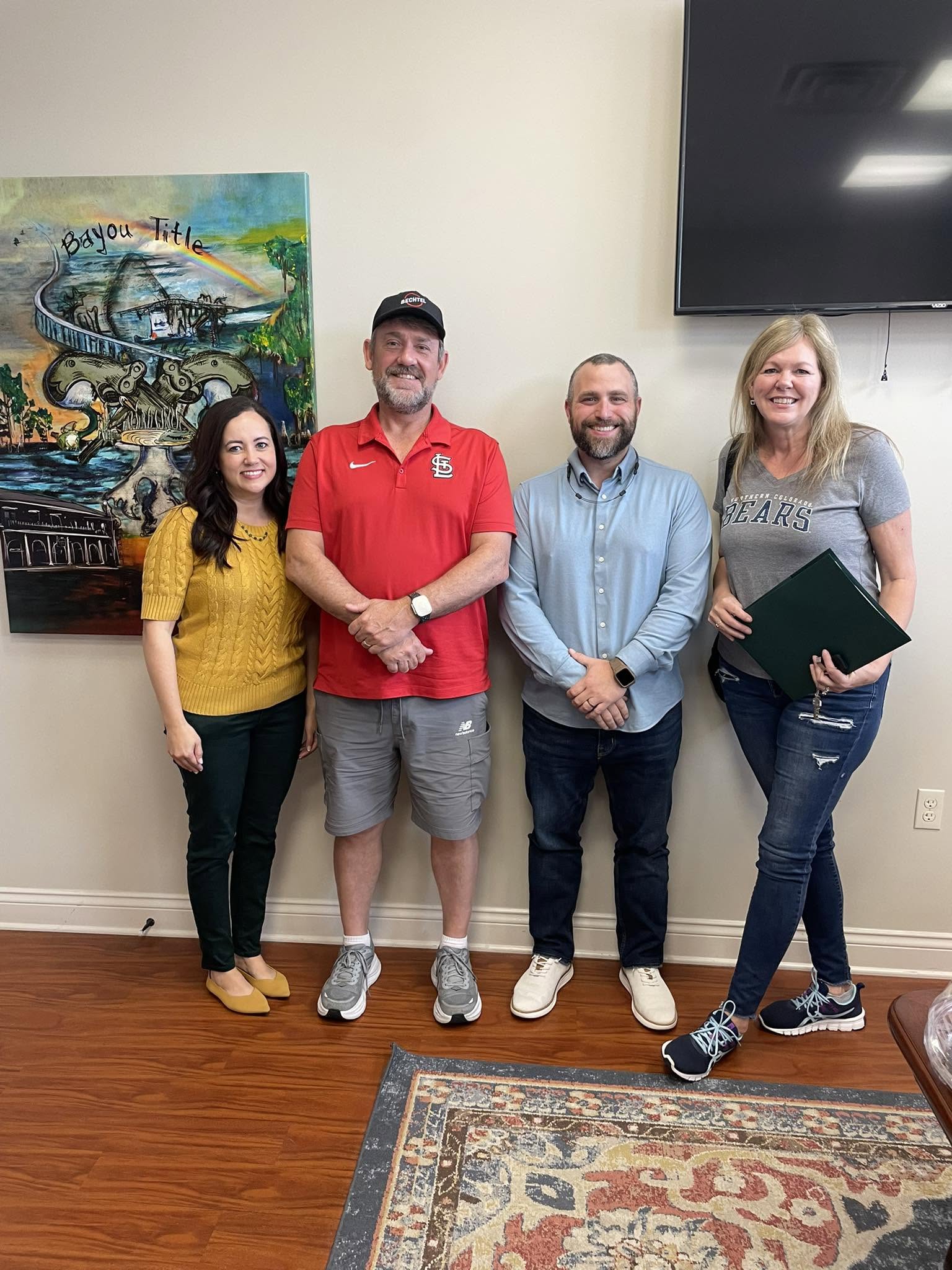
Real families we have helped get from pre-approval to keys in hand.
Find Out Where You
Actually Stand
A soft credit check tells you what you qualify for before anyone pulls hard credit. If the numbers say wait, I will tell you that too, and then we make a plan to fix whatever is in the way.
Check My VA EligibilityMortgages by Channing · 337-476-2623 · Licensed across Louisiana · NMLS #1660690