
VA Loan vs. USDA Loan:
Both Zero Down, Which Is Better?
VA and USDA are the only two major loan programs that offer true zero-down financing. They share that headline feature but differ sharply on eligibility, location requirements, income limits, and long-term insurance costs.
Two Zero-Down Programs
VA and USDA: Same Headline, Very Different Rules
VA and USDA stand alone as the only two major mortgage programs that allow a true zero-down purchase. For veterans who happen to be buying in a USDA-eligible area, the question of which program to choose is a real one, and the answer comes down to three key differences.
First, VA has no geographic restrictions while USDA is limited to designated rural and suburban areas. Second, VA imposes no household income ceiling while USDA caps income at 115% of the area median. Third, the ongoing insurance structure differs: VA charges a one-time funding fee with no monthly premium, while USDA charges both an upfront guarantee fee and an annual premium that never cancels.
Both Programs
Insurance
(Area Median)
Side by Side
VA vs. USDA: Complete Comparison
Every major factor compared. The highlighted column is VA.
| Factor | VA Loan | USDA Loan |
|---|---|---|
| Eligibility | Veterans, active duty, Guard/Reserve, surviving spouses | Any borrower meeting income and location requirements |
| Down Payment | 0% | 0% |
| Location Restrictions | None, buy anywhere | Must be USDA-designated rural/suburban area |
| Income Limits | None | Household income ≤ 115% of area median |
| Minimum Credit Score | No VA minimum (lenders set 580 to 620) | 640 most lenders (no official USDA minimum) |
| Upfront Fee | 2.15% funding fee (first use) | 1.0% guarantee fee |
| Monthly Insurance | None | 0.35% annual (life of loan) |
| Max DTI | No hard cap (residual income evaluated) | 41% standard (some flexibility to 44%) |
| Loan Limits | No limit with full entitlement | No official limit (area-adjusted) |
| Property Types | 1 to 4 unit primary residence | Single-family primary residence only |
| Seller Concessions | Up to 4% | Up to 6% |
| Refinance Options | IRRRL streamline + cash-out | Streamline assist only |
The Key Difference
Eligibility: Who Qualifies for Each Program
The most fundamental difference between VA and USDA is who can use them. VA is restricted by service history. USDA is restricted by geography and income. For the veteran buying in a rural area with moderate income, both doors are open, but one leads to a better deal.
VA Eligibility Requirements
- Military service is the qualifying factorActive duty, veterans with qualifying service, National Guard, Reserves, and certain surviving spouses. Full eligibility details
- No location restrictionsPurchase anywhere in the United States. Urban, suburban, or rural, the property location is irrelevant to VA eligibility.
- No income ceilingVA does not cap your household income. Whether you earn $40,000 or $400,000, the benefit is available if you served.
- Certificate of Eligibility requiredYou'll need a COE from VA confirming your service and entitlement status.
USDA Eligibility Requirements
- Open to any qualifying borrowerNo military service required. Civilian borrowers meeting income and location requirements are eligible.
- Property must be in an eligible areaUSDA designates specific rural and suburban zones. Many suburban areas surprisingly qualify, but most metro centers do not.
- Household income cannot exceed 115% of area medianThis includes all household members' income, not just the borrowers on the loan. The cap varies by county.
- Single-family homes onlyUSDA does not finance multi-unit properties, condos in most cases, or manufactured homes without permanent foundations.
USDA income limits count everyone in the household
Unlike VA, which evaluates only the borrowers' income for qualifying, USDA counts all adult household members' income toward the ceiling, including non-borrowing adults living in the home. A veteran with a high-earning spouse or adult child living at home may exceed USDA limits even if the veteran's own income is moderate. VA has no such restriction.
Want To Know What This Looks Like On Your Numbers?
Every scenario is different. A soft credit check tells you where you actually stand, and nothing hits your report until you decide to move forward.
Long-Term Cost
Insurance and Fees: Where VA Pulls Ahead
Both programs charge upfront fees and both can be rolled into the loan balance. The divergence happens in what you pay month to month. VA's structure, a one-time funding fee with zero ongoing premium, creates a growing cost advantage over USDA's annual guarantee fee that persists for the life of the mortgage.
30-Year Insurance Cost
$250,000 Loan · Zero Down · First-Time VA Use
Both loans financed at zero down payment. Watch how USDA's annual fee accumulates while VA's cost is fixed at origination.
| Cost | VA Loan | USDA Loan |
|---|---|---|
| Upfront Fee | $5,375 (2.15%) | $2,500 (1.0%) |
| Monthly Insurance | $0 | ~$73/month (0.35%) |
| Total Insurance Year 5 | $5,375 | ~$6,880 |
| Total Insurance Year 10 | $5,375 | ~$11,140 |
| Total Insurance Year 30 | $5,375 | ~$28,900 |
Illustrative. Annual fee calculated on declining balance. Veterans with disability pay $0 VA funding fee. Mortgages by Channing · NMLS #1660690.
USDA's lower upfront fee is a short-term advantage
USDA's 1.0% guarantee fee is lower than VA's 2.15% funding fee at closing. But by approximately year 3, USDA's cumulative insurance costs surpass VA's one-time fee. From that point forward, the gap widens every month. For any veteran planning to hold the home beyond three years, VA is the less expensive program overall.
Real Scenarios
Which Program Wins by Situation
If you qualify for both VA and USDA, the right choice depends on your specific circumstances. Here are the most common decision points.
Veteran buying in a USDA-eligible area, moderate income
Qualifies for both programs. VA's zero monthly insurance creates thousands in long-term savings. The higher upfront funding fee is offset within three years. Unless closing costs are the only concern, VA is the stronger financial play.
Veteran with service-connected disability in a rural area
VA funding fee is waived entirely due to disability. Total insurance cost: $0. USDA still charges the 1.0% guarantee fee plus annual premiums. VA wins by the widest possible margin in this scenario. See funding fee exemptions
Non-veteran civilian in a USDA-eligible area
Without military service, VA is not an option. USDA provides the only zero-down path available. The annual fee is the cost of entry for a program that requires no military service and no down payment.
Veteran buying in an urban area above USDA limits
The property doesn't qualify for USDA due to its location. VA has no geographic restrictions. VA is the only zero-down option available for this purchase. VA requirements
Veteran planning to sell within 2 years
Very short holding period. USDA's lower upfront fee (1.0% vs 2.15%) means less cost absorbed before the sale. The monthly insurance difference hasn't had time to compound. This is one scenario where USDA's cost structure may be slightly favorable, though the difference is modest.
Qualify for Both? Let's Run the Numbers.
Mortgages by Channing will compare VA and USDA side by side with your actual income, property location, and loan amount to show you the total cost difference over your expected holding period.
Common Questions
VA vs USDA FAQ
Questions about choosing between VA and USDA zero-down financing.
The Application
Apply From Your Phone In Fifteen Minutes
Most veterans put this off because they picture a folder of paperwork and a week of silence. The whole VA application runs on your phone, and it reaches me the minute you submit it.
- Starts with a soft credit check, so your score is never touched
- We pull your Certificate of Eligibility, you don't chase it down
- Upload documents with your phone camera, no scanner needed
- You hear back from Channing, not from a call center queue
If the numbers say wait, I'll tell you that too, and then we make a plan to fix whatever is in the way.
Complete Your Application
Five short steps. Most people finish in about fifteen minutes.
- Tell us what you're looking for
- We request your COE
- Upload your documents
Your pre-approval letter is ready. I sent it to your email and to your agent.
Got your application. I'm reviewing it now and will call you this afternoon.
Real Closings
Real Clients.
Real Closings.
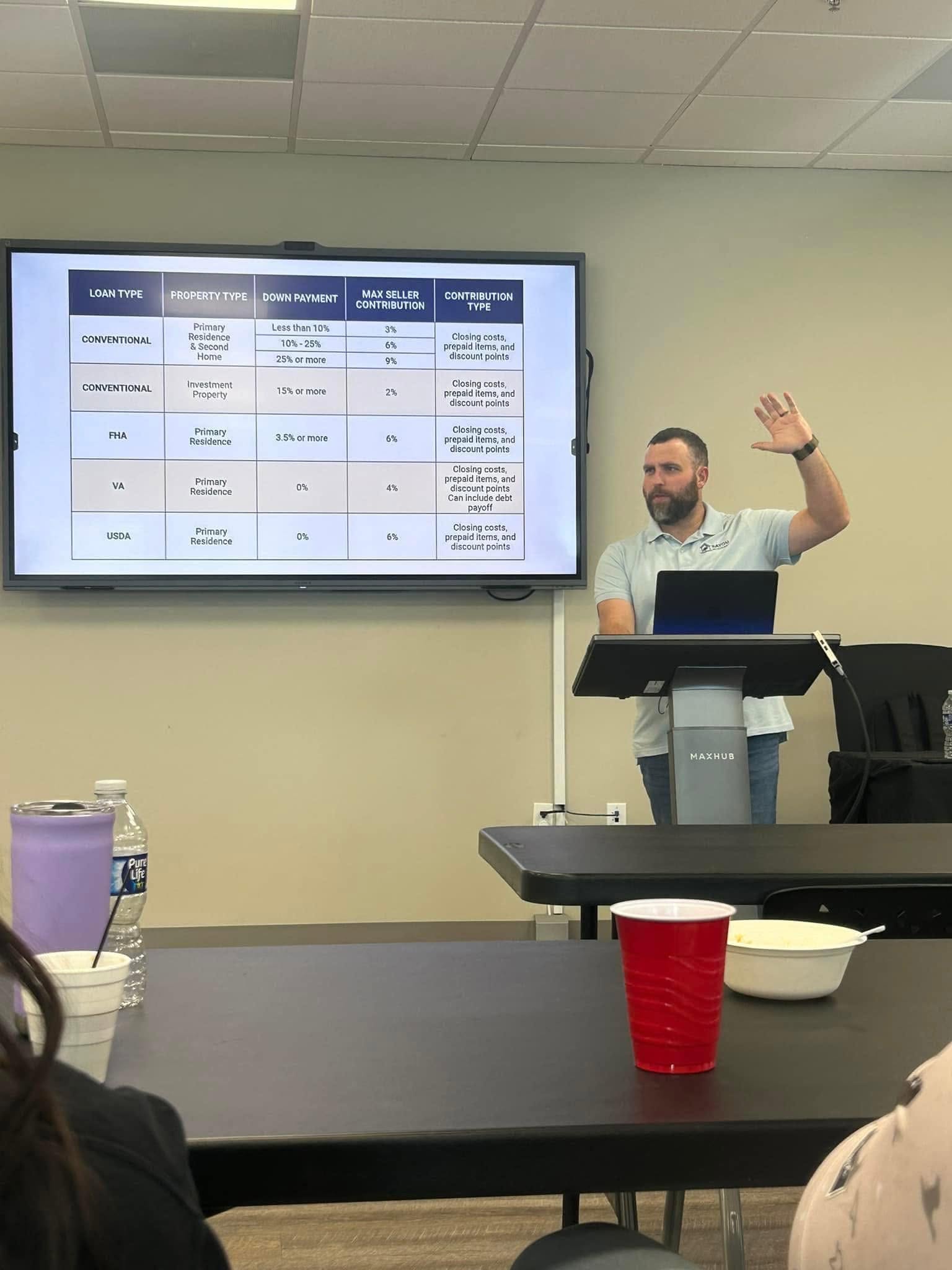
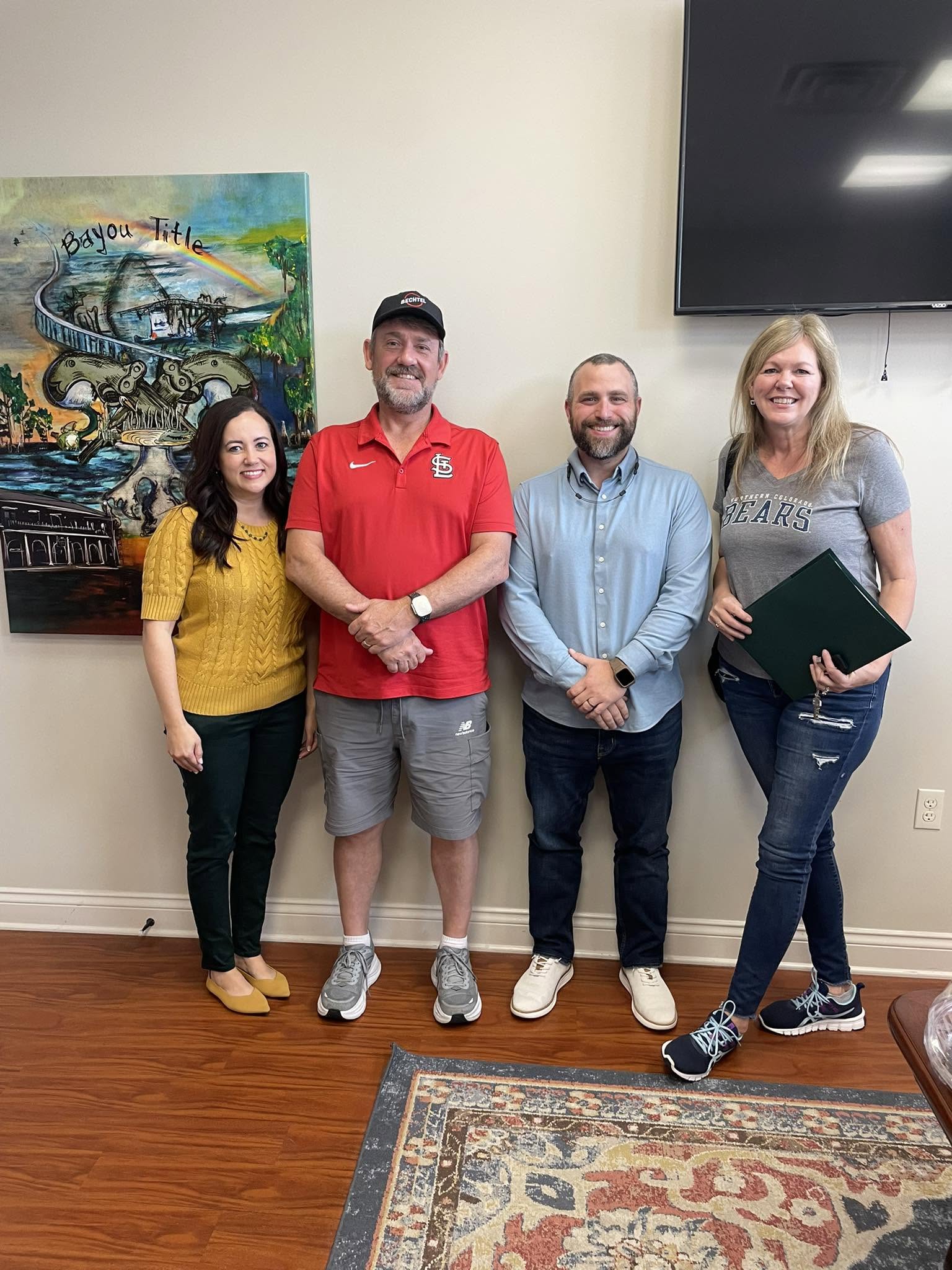
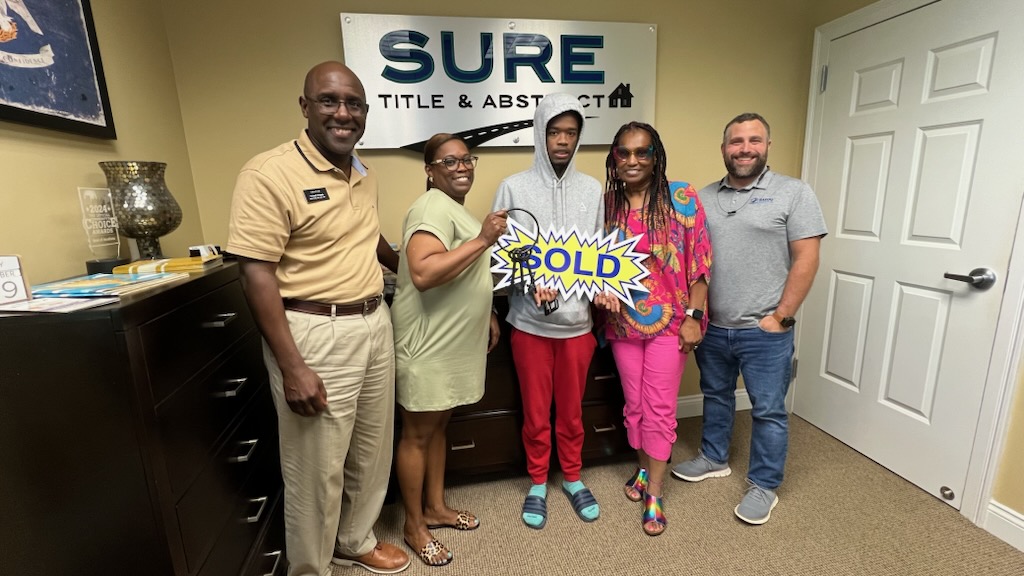
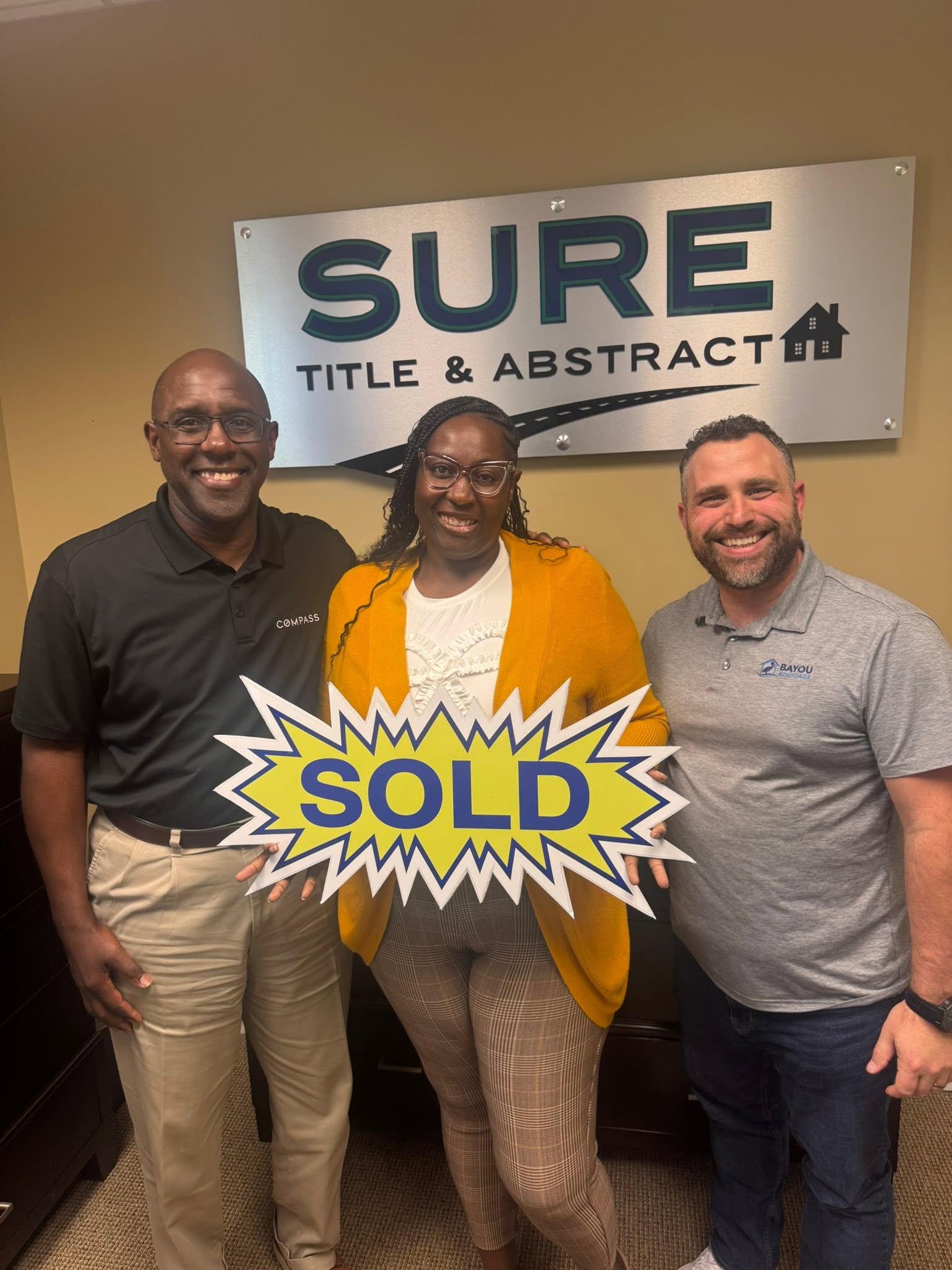
Real families we have helped get from pre-approval to keys in hand.
Find Out Where You
Actually Stand
A soft credit check tells you what you qualify for before anyone pulls hard credit. If the numbers say wait, I will tell you that too, and then we make a plan to fix whatever is in the way.
Check My VA EligibilityMortgages by Channing · 337-476-2623 · Licensed across Louisiana · NMLS #1660690