
VA Loan vs. FHA Loan:
Which Is Better for Veterans?
Both are government-backed programs with flexible qualifying. But for eligible veterans, VA wins in almost every measurable category, no down payment, no ongoing mortgage insurance, and better long-term cost.
The Bottom Line
If You Qualify for VA, It Almost Always Wins Over FHA
Both VA and FHA are government-backed loan programs designed for borrowers who may not fit conventional lending standards. They share similarities, flexible credit requirements, lower barriers to entry, and government insurance that protects lenders against default. But the programs diverge sharply on cost, and that divergence overwhelmingly favors VA-eligible borrowers.
The three biggest advantages VA holds over FHA: zero down payment versus FHA's 3.5% minimum, no ongoing monthly mortgage insurance versus FHA's lifetime MIP, and generally lower interest rates because the VA guarantee represents less risk to lenders. Over a 30-year term, these differences compound into tens of thousands of dollars in savings.
(vs 3.5% FHA)
Insurance
(Typical Spread)
Side by Side
VA vs. FHA: Full Comparison Table
Every major factor compared. The highlighted column is VA.
| Factor | VA Loan | FHA Loan |
|---|---|---|
| Eligibility | Veterans, active duty, qualifying Guard/Reserve, surviving spouses | Any borrower who meets credit and income requirements |
| Down Payment | 0%, no down payment required | 3.5% minimum (10% if score below 580) |
| Minimum Credit Score | No VA minimum (lenders typically 580 to 620) | 580 for 3.5% down · 500 for 10% down |
| Monthly Mortgage Insurance | None | 0.55% annual MIP (life of loan if <10% down) |
| Upfront Fee | 2.15% funding fee (first use, $0 down) | 1.75% UFMIP |
| Funding Fee Exemption | Veterans with service-connected disability pay $0 | No exemption available |
| Max DTI Ratio | No hard cap (residual income is key factor) | Up to 57% with compensating factors |
| Loan Limits | No limit with full entitlement | $498,257 floor (varies by county) |
| Property Types | 1 to 4 unit primary residence | 1 to 4 unit primary residence |
| Seller Concessions | Up to 4% of purchase price | Up to 6% of purchase price |
| Interest Rates | Typically 0.25% to 0.50% lower than FHA | Competitive but higher than VA on average |
| Streamline Refinance | IRRRL, no appraisal, minimal documentation | FHA Streamline, no appraisal, minimal documentation |
The Biggest Difference
Funding Fee vs. FHA MIP: The Real Cost Comparison
Both programs charge an upfront fee that can be rolled into the loan. The critical distinction is what happens after closing: FHA charges ongoing monthly mortgage insurance premiums for the life of the loan, while VA charges nothing monthly. This is the single largest financial advantage VA holds over FHA.
30-Year Cost Comparison
$300,000 Purchase Price · First-Time Use
Here's how VA and FHA insurance costs compare over the life of a 30-year loan at this purchase price. The gap widens dramatically over time because FHA MIP never stops.
| Cost Category | VA Loan | FHA Loan |
|---|---|---|
| Down Payment | $0 | $10,500 (3.5%) |
| Upfront Fee | $6,450 (2.15% funding fee) | $5,066 (1.75% UFMIP) |
| Monthly Insurance | $0/month | ~$133/month (0.55%) |
| Total Insurance Over 30 Years | $6,450 | ~$52,900 |
| Cash Needed at Closing | $0 (fee rolled in) | $10,500 minimum |
Illustrative comparison. Actual costs vary by exact loan amount, rate, and regional factors. Mortgages by Channing · NMLS #1660690.
Disability exemption eliminates the gap entirely
Veterans with a service-connected disability rating of 10% or higher pay zero VA funding fee. This means their total insurance cost over 30 years is $0, compared to FHA's roughly $53,000 on the same loan. If you have any disability rating, VA is the clear financial choice. Full funding fee details
Want To Know What This Looks Like On Your Numbers?
Every scenario is different. A soft credit check tells you where you actually stand, and nothing hits your report until you decide to move forward.
Real Scenarios
Which Loan Wins by Buyer Profile
For VA-eligible borrowers, the decision is rarely close. But there are edge cases where FHA may have tactical advantages worth understanding.
Veteran, 640 credit, zero savings for down payment
VA requires nothing down. FHA needs $10,500 on a $300k purchase. The veteran closes with zero cash outlay, avoids monthly MIP entirely, and secures a lower rate. VA wins on every dimension.
Veteran with 10% disability, 590 credit score
No funding fee due to disability exemption. Zero down payment. No monthly mortgage insurance. Even at 590, the VA loan costs dramatically less than FHA over time. Manual underwriting may be needed, but the savings justify the effort. See bad credit VA options
Veteran buying a property that may not meet VA appraisal standards
VA appraisals enforce Minimum Property Requirements. If the property has significant issues, peeling paint, roof damage, structural concerns, it may fail VA inspection. FHA has its own standards, but in some cases a property may pass FHA but not VA. Worth considering if the property condition is questionable.
Veteran with strong credit wanting maximum seller concessions
FHA allows seller contributions up to 6% of the purchase price. VA caps them at 4%. If negotiating heavy seller concessions is central to your deal structure, FHA permits more flexibility. However, this single advantage rarely outweighs VA's cost savings elsewhere.
Active duty service member relocating on PCS orders
Zero down preserves cash for the move. No monthly insurance reduces the monthly burden. VA's occupancy requirements accommodate PCS orders. The IRRRL streamline refinance provides an easy rate reduction path if rates drop after purchase. VA is purpose-built for this situation. See second-time use options
The Exception
When FHA Actually Makes Sense for a Veteran
There are a narrow set of circumstances where a VA-eligible borrower might legitimately choose FHA over VA. These situations are uncommon but worth understanding so you can make a fully informed decision.
FHA Might Win When...
- Property won't pass VA appraisalSome fixer-uppers or properties with deferred maintenance may not meet VA's Minimum Property Requirements but could pass FHA's standards or a conventional appraisal.
- You need 6% seller concessionsVA caps seller contributions at 4%. FHA allows 6%. In tight deals where seller credits are crucial, the extra 2% can matter.
- Entitlement is tied upIf your VA entitlement is committed to another property and remaining entitlement won't cover the new purchase, FHA provides an alternative path. Check entitlement
VA Still Wins When...
- You have any disability ratingZero funding fee makes VA essentially cost-free compared to FHA's ~$53,000 in MIP over 30 years.
- You plan to keep the home 5+ yearsThe lack of monthly mortgage insurance compounds dramatically over time. By year 5, VA has already saved thousands.
- You have limited cash for closingZero down with funding fee rolled in means $0 out of pocket. FHA requires at minimum 3.5% down.
- You want the lowest possible rateVA rates consistently benchmark 0.25% to 0.50% below FHA on equivalent credit profiles.
Eligible for Both VA and FHA?
Mortgages by Channing will run the numbers on both programs with your actual credit profile so you can see the exact difference in monthly payment and total cost over time.
Common Questions
VA vs FHA FAQ
Questions specific to choosing between VA and FHA financing.
The Application
Apply From Your Phone In Fifteen Minutes
Most veterans put this off because they picture a folder of paperwork and a week of silence. The whole VA application runs on your phone, and it reaches me the minute you submit it.
- Starts with a soft credit check, so your score is never touched
- We pull your Certificate of Eligibility, you don't chase it down
- Upload documents with your phone camera, no scanner needed
- You hear back from Channing, not from a call center queue
If the numbers say wait, I'll tell you that too, and then we make a plan to fix whatever is in the way.
Complete Your Application
Five short steps. Most people finish in about fifteen minutes.
- Tell us what you're looking for
- We request your COE
- Upload your documents
Your pre-approval letter is ready. I sent it to your email and to your agent.
Got your application. I'm reviewing it now and will call you this afternoon.
Real Closings
Real Clients.
Real Closings.
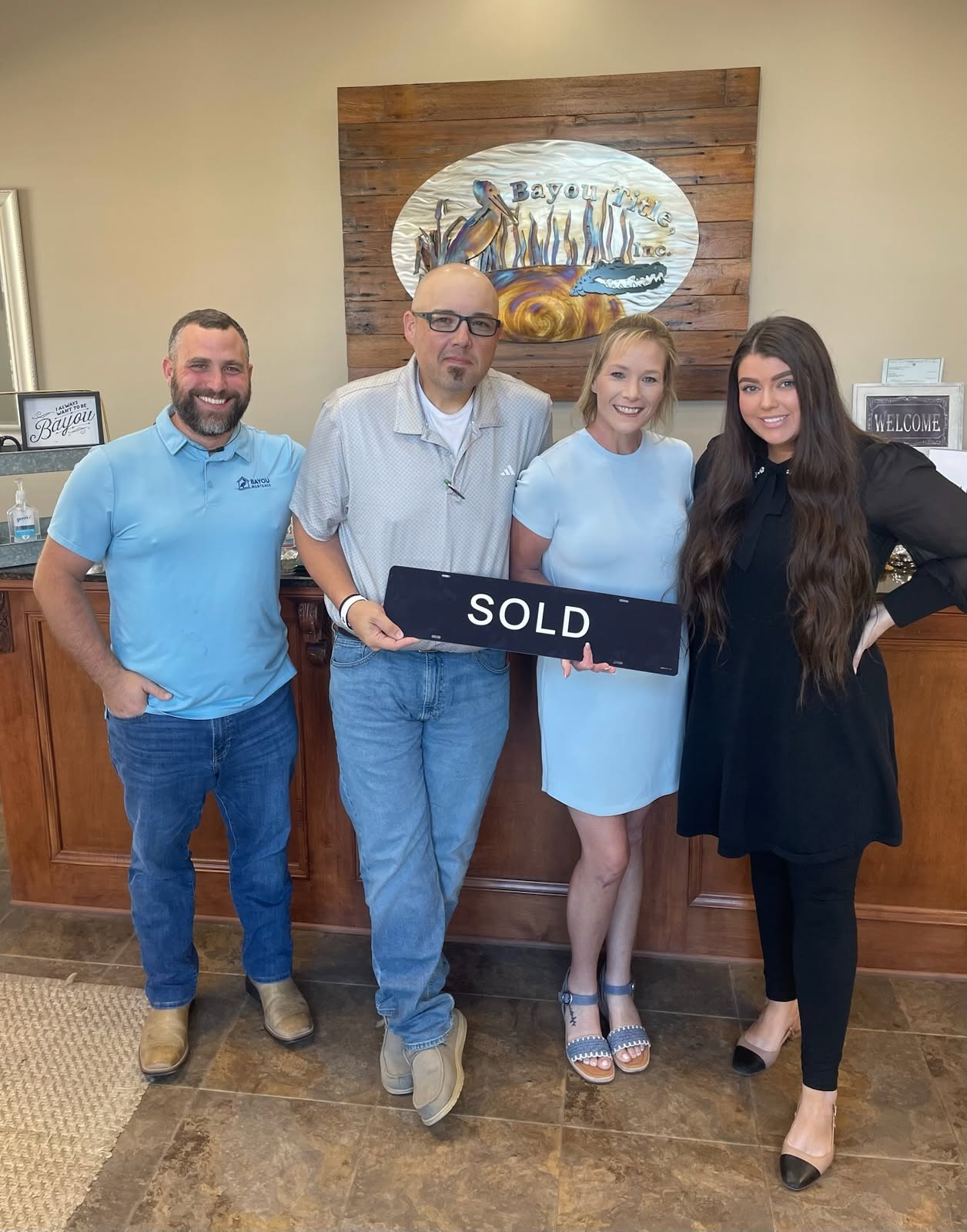
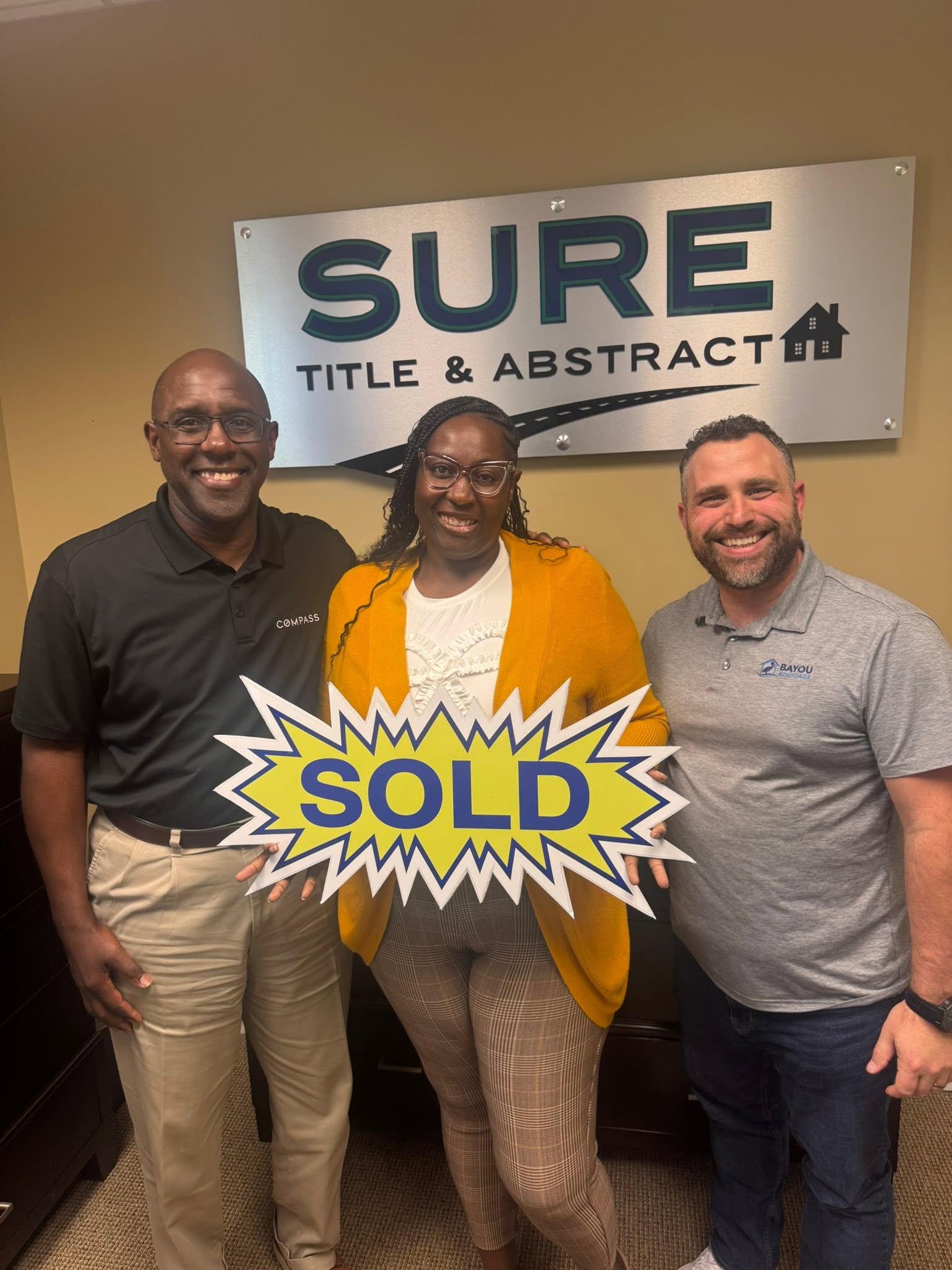
Real families we have helped get from pre-approval to keys in hand.



Find Out Where You
Actually Stand
A soft credit check tells you what you qualify for before anyone pulls hard credit. If the numbers say wait, I will tell you that too, and then we make a plan to fix whatever is in the way.
Check My VA EligibilityMortgages by Channing · 337-476-2623 · Licensed across Louisiana · NMLS #1660690