
Conforming Loans Explained:
Fannie Mae & Freddie Mac Standards
A conforming loan meets the requirements for purchase by Fannie Mae or Freddie Mac, and that backing is what gives you access to the lowest conventional rates. Here's what conforming means in practice and why it matters for your mortgage.
The Basics
What Makes a Loan "Conforming"
A conforming loan is any mortgage that meets the guidelines set by Fannie Mae or Freddie Mac, the two government-sponsored enterprises that purchase loans from lenders on the secondary market. When your loan conforms to their standards, your lender can sell it to one of these agencies, freeing up capital to make more loans and keeping interest rates competitive for borrowers.
The term "conforming" covers several requirements simultaneously: the loan amount must fall within published limits, the borrower must meet minimum qualification standards (credit, income, assets), and the property must meet appraisal standards. When all boxes are checked, the loan earns conforming status and qualifies for the best available conventional pricing. For a complete breakdown of borrower qualifications, see our requirements guide.
Underwriting
Fannie Mae & Freddie Mac Standards
Both agencies publish detailed selling guides, thousands of pages of rules that lenders must follow for a loan to be eligible for purchase. While the guides differ in some details, the core qualification framework is largely consistent between Fannie and Freddie. Lenders choose which agency to sell to based on pricing and specific loan characteristics.
Borrower Standards
- 620 minimum FICO scoreMiddle score of three bureaus. Lower of two borrowers' middle scores used for joint applications. See credit tiers
- Debt-to-income up to 50%Standard maximum with Desktop Underwriter (DU) or Loan Prospector (LP) approval. Manual underwriting caps at 36%/45%.
- 2-year employment historyStable income documentation, W-2, tax returns, or business returns for self-employed borrowers.
- Down payment from acceptable sourcesOwn funds, gifts from family, employer programs, or down payment assistance. See gift fund rules
Property & Loan Standards
- Loan within conforming limits$806,500 for most areas, up to $1,209,750 in high-cost counties. See current limits
- Standard appraisal requiredComparable sales-based valuation confirming the property supports the purchase price.
- Primary, second home, or investmentConforming allows all occupancy types, unlike FHA which is primary only.
- 1 to 4 unit residential propertiesSingle-family, condos, townhomes, PUDs, and multi-unit (with occupancy rules for multi-unit).
2025 Limits
2025 Conforming Loan Limits
FHFA sets conforming limits annually based on national home price changes. The 2025 standard limit for a one-unit property is $806,500, a 5.2% increase from 2024's $766,550. In designated high-cost areas, the ceiling rises to 150% of the baseline: $1,209,750 for a single-family home.
| Units | Standard Area | High-Cost Ceiling |
|---|---|---|
| 1-Unit | $806,500 | $1,209,750 |
| 2-Unit | $1,032,650 | $1,548,975 |
| 3-Unit | $1,248,150 | $1,872,225 |
| 4-Unit | $1,551,250 | $2,326,875 |
Remember: the limit applies to your loan amount after down payment, not the purchase price. A larger down payment can keep an expensive purchase within conforming limits and avoid jumbo territory.
Want To Know What This Looks Like On Your Numbers?
Every scenario is different. A soft credit check tells you where you actually stand, and nothing hits your report until you decide to move forward.
Pricing
Rate Advantages: Conforming vs. Jumbo
Conforming loans consistently offer lower interest rates than jumbo loans because the secondary market, Fannie Mae and Freddie Mac purchasing and securitizing these loans, creates enormous liquidity and spreads risk across thousands of investors. Jumbo loans lack this infrastructure, so lenders hold the risk and charge accordingly.
Why Conforming Rates Are Lower
- Secondary market liquidityFannie/Freddie buy conforming loans, giving lenders immediate capital to make more loans. This competition drives rates down.
- Standardized risk assessmentAutomated underwriting systems (DU/LP) provide consistent risk evaluation, reducing uncertainty for lenders.
- Government-sponsored backingWhile not a government guarantee, the GSE structure provides implicit support that reduces perceived risk in the market.
Typical Rate Comparison
- Conforming 30-year fixedBaseline rate. This is the rate quoted in most rate surveys and advertised by lenders.
- High-balance conformingTypically 0.125% to 0.250% higher than standard conforming. Still agency-backed pricing.
- Jumbo 30-year fixedTypically 0.250% to 0.500% higher than standard conforming. Gap varies by market conditions. See jumbo details
Rate impact on a $750,000 loan
A 0.375% rate difference between conforming and jumbo on a $750,000, 30-year mortgage translates to roughly $168 per month, or over $60,000 in additional interest over the life of the loan. This is why structuring your financing to stay within conforming limits (via a larger down payment or piggyback loan) can produce substantial long-term savings.
Categories
Standard Conforming vs. High-Balance Conforming
Within the conforming universe, there's a meaningful distinction between standard conforming loans (up to $806,500) and high-balance conforming loans (between $806,500 and $1,209,750 in qualifying high-cost counties). Both are purchased by Fannie Mae and Freddie Mac, but they carry different pricing.
| Feature | Standard Conforming | High-Balance Conforming |
|---|---|---|
| Loan amount | Up to $806,500 | $806,501 to $1,209,750 |
| Availability | All areas nationwide | High-cost counties only |
| Rate premium | Baseline | +0.125% to +0.250% |
| Additional LLPA | None | 0.250% high-balance adjustment |
| Agency backing | Fannie / Freddie | Fannie / Freddie |
| Credit minimum | 620 | 620 |
| Min down payment | 3% (with eligible programs) | 5% typical minimum |
The practical takeaway: high-balance conforming is still significantly better than jumbo. If your loan amount falls between the standard and high-cost limits in a qualifying county, you're getting agency-backed pricing with only a modest premium, not the full jumbo markup.
Find Out If Your Loan Is Conforming
Mortgages by Channing checks your county, your loan amount, and your borrower profile to determine the best conforming option for your purchase.
Common Questions
Conforming Loan FAQ
Answers about conforming loan standards, limits, and how they compare to other loan types.
Get Conforming Rates Today
Mortgages by Channing confirms your conforming eligibility and locks you into the best available rate for your profile.
The Application
Apply From Your Phone In Fifteen Minutes
The whole application runs on your phone. Snap photos of your documents, connect your bank, and you're done. It reaches me the minute you submit it.
- Starts with a soft credit check, so your score is never touched
- We run conventional next to FHA so you see both payments
- Upload documents with your phone camera, no scanner needed
- You hear back from Channing, not from a call center queue
If the numbers say wait, I'll tell you that too, and then we make a plan to fix whatever is in the way.
Complete Your Application
Five short steps. Most people finish in about fifteen minutes.
- Tell us what you're looking for
- We check your conventional numbers
- Upload your documents
Your pre-approval letter is ready. I sent it to your email and to your agent.
Got your application. I'm reviewing it now and will call you this afternoon.
Real Closings
Real Clients.
Real Closings.
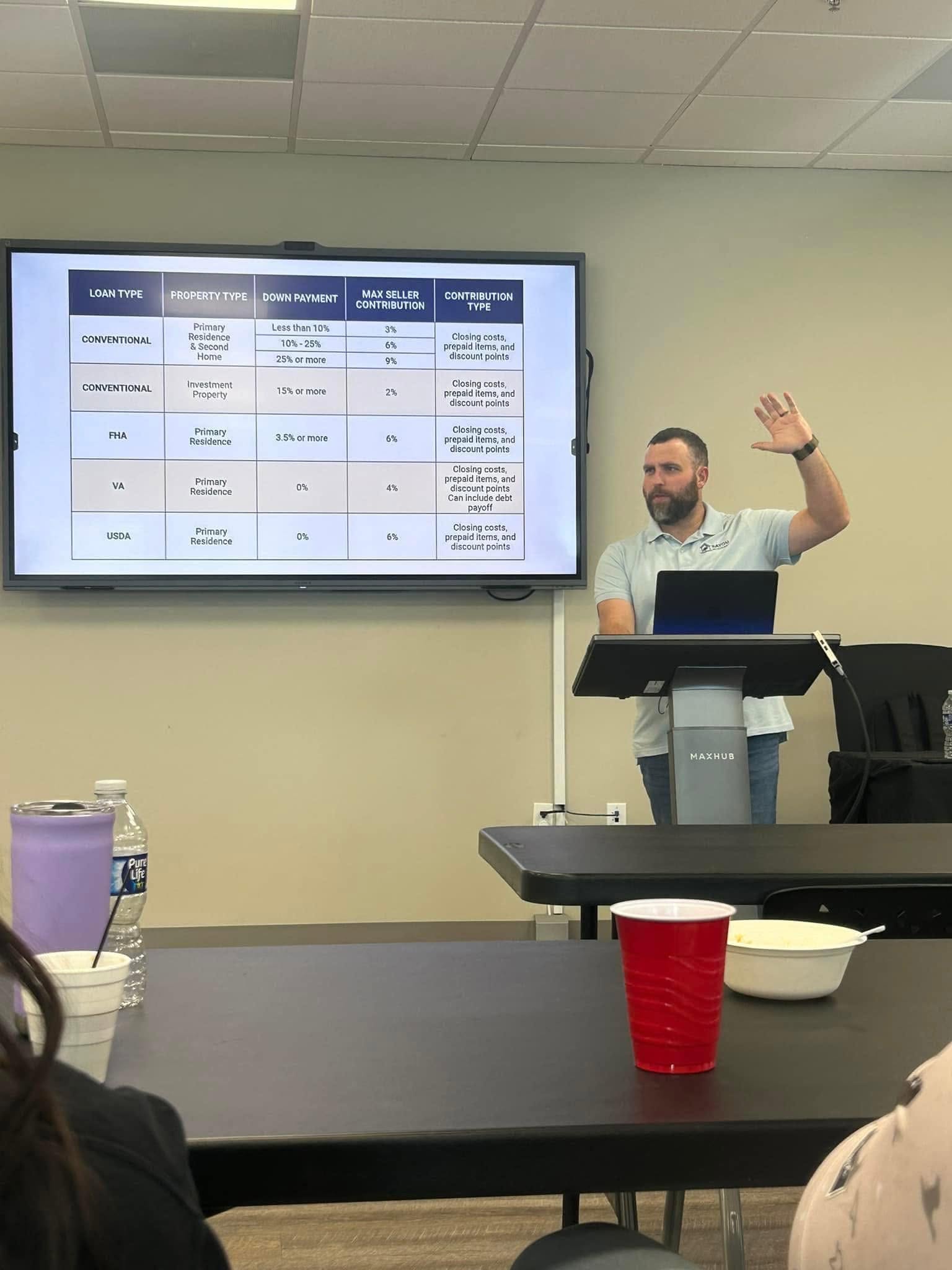
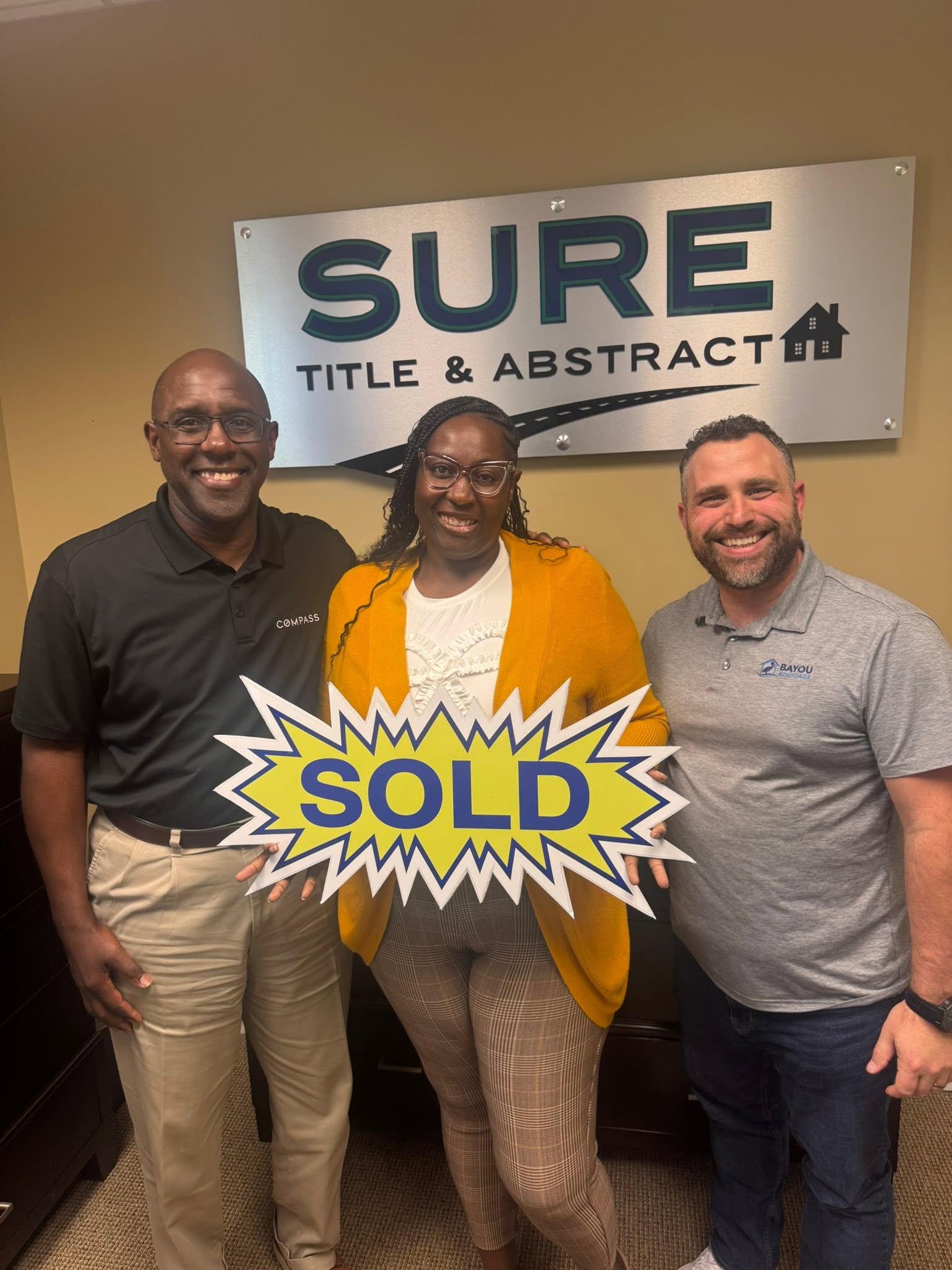
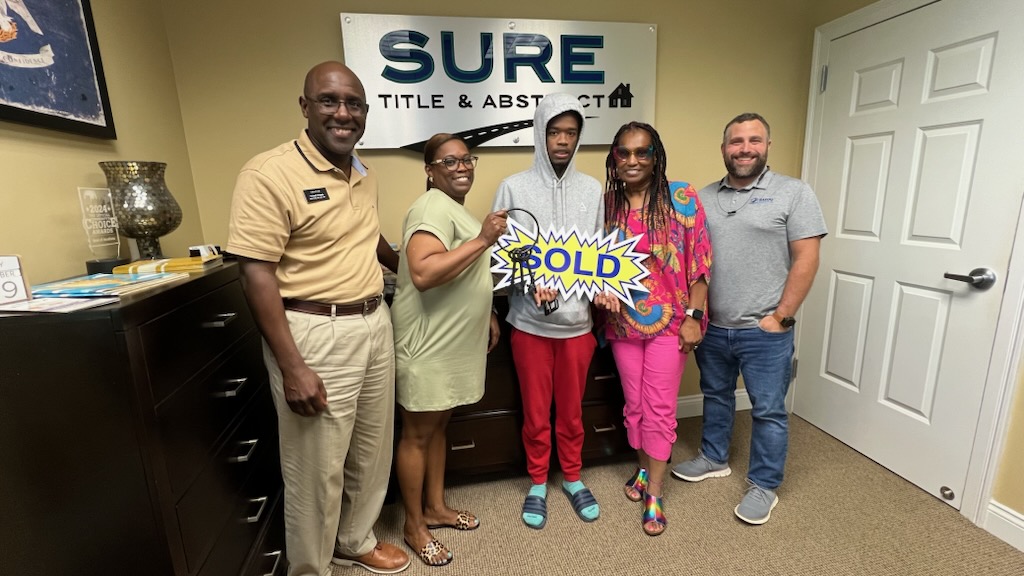
Real families we have helped get from pre-approval to keys in hand.



Find Out Where You
Actually Stand
A soft credit check tells you what you qualify for before anyone pulls hard credit. If the numbers say wait, I will tell you that too, and then we make a plan to fix whatever is in the way.
See What I Qualify ForMortgages by Channing · 337-476-2623 · Licensed across Louisiana · NMLS #1660690