
Conventional vs. VA Loan:
When Each Is the Right Call
VA loans offer zero down and no monthly mortgage insurance, a powerful benefit for eligible veterans. But there are real situations where conventional is the smarter choice, even with VA eligibility.
The Core Difference
VA's No-PMI Advantage vs. Conventional's Flexibility
The VA loan benefit is one of the most valuable financial tools available to eligible veterans and service members. Zero down payment and zero monthly mortgage insurance, no other mainstream loan program offers both simultaneously. For most VA-eligible buyers purchasing a primary residence, VA is the default choice and it's hard to argue against it.
But VA isn't always the winner. The VA funding fee adds upfront cost, VA can't be used for investment properties, and there are situations where a veteran with strong credit and a significant down payment may actually pay less with conventional over the life of the loan. Understanding both options lets you make the decision that saves the most money for your specific situation.
VA Wins When You Have...
- Limited savings for down paymentZero down means $0 required. This alone makes VA the default for eligible buyers with limited cash.
- Any credit score with clean recent historyVA has no official minimum score. Most lenders require 580-620, but VA rates don't carry the same score-based penalties as conventional.
- First-time use of VA benefitFirst-time VA funding fee is 2.15% with zero down, lower than subsequent use. Still no monthly MI.
- Service-connected disabilityFunding fee is completely waived for veterans with disability ratings. This makes VA unbeatable.
Conventional Wins When You Have...
- 20% or more down paymentNo PMI, no funding fee, no mortgage insurance of any kind. Conventional with 20% down beats VA.
- Buying an investment propertyVA is primary residence only. Conventional is the standard path for rentals. See investment property options
- Purchasing a second homeVA doesn't cover vacation homes or second residences. Conventional does.
- Preserving VA entitlementUsing conventional now keeps your VA benefit available for a future primary residence purchase.
Side by Side
Conventional vs. VA: Full Comparison
Every major factor compared. The highlighted column is VA.
| Factor | VA Loan | Conventional Loan |
|---|---|---|
| Eligibility | Veterans, active duty, National Guard, some spouses | Anyone who qualifies |
| Down Payment | 0% | 3 to 5% (primary) · 15 to 25% (investment) |
| Monthly Mortgage Insurance | None | PMI required below 20% equity |
| Upfront Fee | 2.15% funding fee (first use, $0 down) | None |
| Credit Score | No VA minimum (most lenders: 580-620) | 620 minimum |
| Interest Rates | Typically 0.25-0.50% lower than conventional | Standard market rates |
| Max DTI | 41% guideline (flexible with residual income) | 45-50% |
| Property Types | Primary residence only (1-4 units) | Primary, second home, investment |
| Seller Concessions | Up to 4% + standard closing costs | 3-6% (varies by LTV) |
| Loan Limits | No limit (with full entitlement) | $806,500 conforming limit |
| Appraisal | VA-specific appraisal (MPRs apply) | Standard conventional appraisal |
| Occupancy | Must occupy within 60 days | Primary, second home, or investment |
The Hidden Cost
VA Funding Fee: The Trade-Off for No PMI
VA loans don't charge monthly mortgage insurance, but they do charge an upfront funding fee that gets rolled into the loan balance. This fee funds the VA loan guaranty program and varies based on your down payment, whether it's your first or subsequent VA loan use, and your service type.
| Down Payment | First Use | Subsequent Use | Reserves/National Guard |
|---|---|---|---|
| 0% down | 2.15% | 3.30% | 2.15% / 3.30% |
| 5 to 9.99% down | 1.50% | 1.50% | 1.50% |
| 10%+ down | 1.25% | 1.25% | 1.25% |
On a $300,000 loan with zero down (first use), the funding fee is $6,450, rolled into the loan, making the total balance $306,450. This is a one-time cost that replaces what would otherwise be years of monthly PMI on a conventional loan. For most veterans, this trade-off still favors VA because the monthly savings from no PMI outpace the funding fee cost within 3-5 years.
Funding fee exemption for disabled veterans
Veterans with a service-connected disability rating of any percentage are exempt from the VA funding fee entirely. This makes VA the unquestionable best option for disabled veterans, zero down, zero PMI, and zero funding fee. If you receive VA disability compensation, there is almost no scenario where conventional beats VA for a primary residence.
Want To Know What This Looks Like On Your Numbers?
Every scenario is different. A soft credit check tells you where you actually stand, and nothing hits your report until you decide to move forward.
Strategic Choice
When VA-Eligible Veterans Should Use Conventional
Most VA-eligible borrowers should use VA for a primary residence purchase, it's one of the best financial benefits available. But there are specific situations where conventional makes more strategic sense, even if you qualify for VA.
Use Conventional Instead of VA When...
- Buying an investment propertyVA cannot be used for investment properties. Period. Conventional is the standard financing path for rentals, and no amount of VA entitlement changes this. See investment property requirements
- Purchasing a second/vacation homeVA requires primary residence occupancy within 60 days. A vacation home or seasonal residence requires conventional financing.
- You have 20% down and want to preserve VA entitlementWith 20% down, conventional has no PMI and no funding fee. Using conventional keeps your VA entitlement available for a future purchase where zero-down would be more valuable.
- Subsequent use with 3.30% funding feeOn a second VA loan use with zero down, the funding fee jumps to 3.30%. On a $400k loan, that's $13,200. Compare this to conventional PMI at your credit score, the math may favor conventional if your score is 720+. See PMI cost details
- Competitive market where VA appraisal is a concernVA appraisals follow Minimum Property Requirements (MPRs) that can flag issues conventional appraisals overlook. Some sellers in hot markets prefer conventional offers because they perceive fewer potential appraisal complications.
Real Scenarios
Which Loan Wins for Your Situation
Specific scenarios showing when VA or conventional is the better financial decision.
First-time VA use, zero down, primary residence
Zero down, no PMI, competitive rate, 2.15% funding fee rolled in. The monthly savings from no PMI exceeds the funding fee cost within 3-4 years. VA is the clear winner for first-time use with limited cash.
Disabled veteran, any purchase scenario
Funding fee is waived entirely. Zero down, zero PMI, zero funding fee. There is no conventional scenario that beats this. Use VA for every primary residence purchase without exception.
Veteran buying a rental property
VA cannot be used for investment properties. Conventional at 15-25% down is the standard path. No amount of VA entitlement changes this requirement. See investment property financing
Veteran with 20% down and 740+ credit
Conventional at 20% down means no PMI and no upfront funding fee. VA would add a 2.15% funding fee ($6,450 on $300k) despite having no PMI. With excellent credit, conventional rates are competitive with VA. Save your entitlement for a future purchase where zero-down matters more.
Second VA use, zero down, 680 credit
Funding fee jumps to 3.30% on subsequent use ($9,900 on $300k). Even so, the absence of monthly PMI at a 680 score (where conventional PMI would be expensive) likely still favors VA. Run both with actual rate quotes, but VA usually wins here despite the higher fee.
VA-Eligible and Not Sure Which to Use?
Mortgages by Channing originates both VA and conventional loans. We'll run both scenarios with your actual numbers and recommend the one that saves you the most, no bias toward either program.
Common Questions
Conventional vs VA FAQ
Questions about choosing between conventional and VA financing.
The Application
Apply From Your Phone In Fifteen Minutes
The whole application runs on your phone. Snap photos of your documents, connect your bank, and you're done. It reaches me the minute you submit it.
- Starts with a soft credit check, so your score is never touched
- We run conventional next to FHA so you see both payments
- Upload documents with your phone camera, no scanner needed
- You hear back from Channing, not from a call center queue
If the numbers say wait, I'll tell you that too, and then we make a plan to fix whatever is in the way.
Complete Your Application
Five short steps. Most people finish in about fifteen minutes.
- Tell us what you're looking for
- We check your conventional numbers
- Upload your documents
Your pre-approval letter is ready. I sent it to your email and to your agent.
Got your application. I'm reviewing it now and will call you this afternoon.
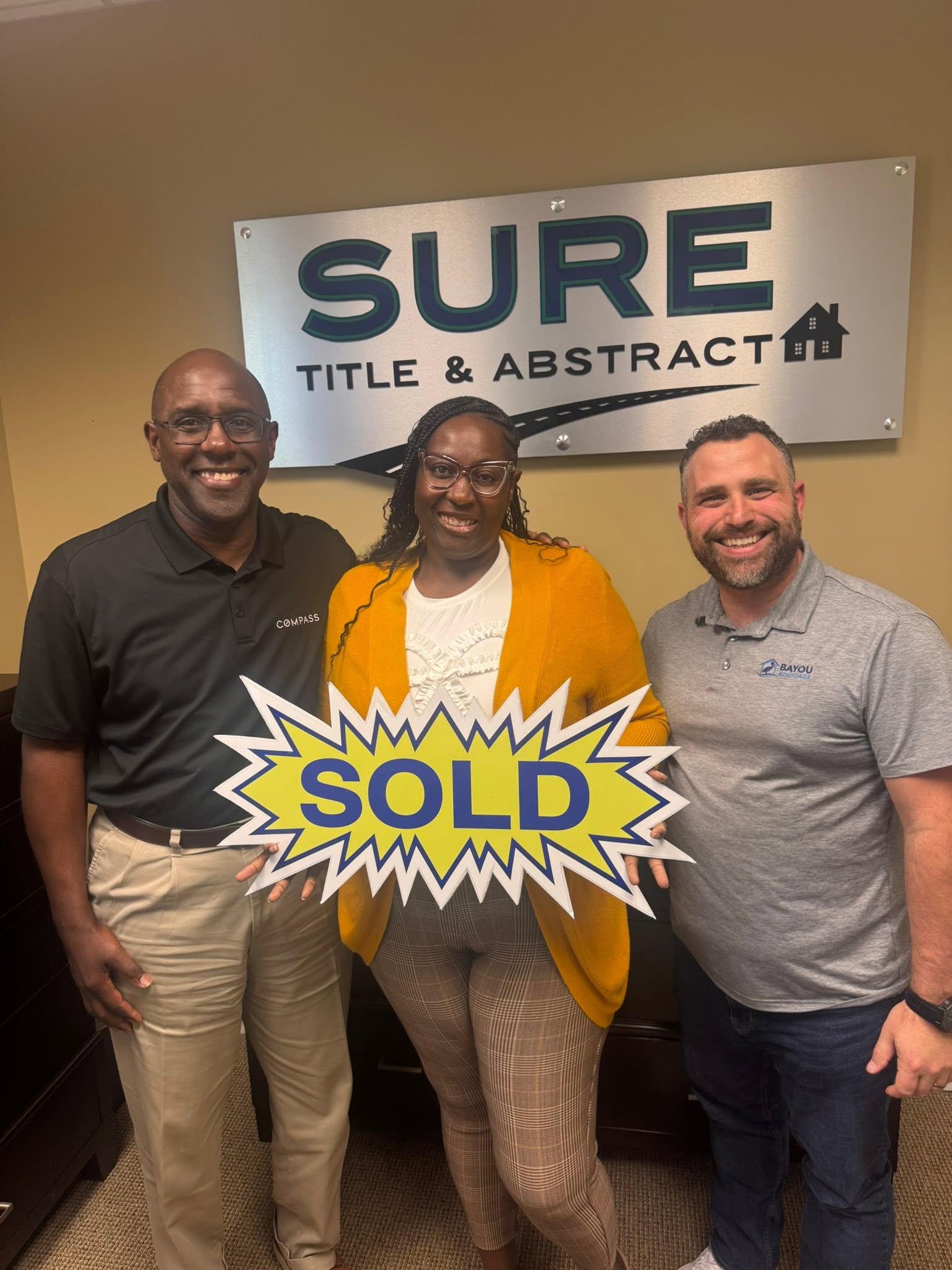
Real Closings
Real Clients.
Real Closings.
Real families we have helped get from pre-approval to keys in hand.





Find Out Where You
Actually Stand
A soft credit check tells you what you qualify for before anyone pulls hard credit. If the numbers say wait, I will tell you that too, and then we make a plan to fix whatever is in the way.
See What I Qualify ForMortgages by Channing · 337-476-2623 · Licensed across Louisiana · NMLS #1660690